
Author

Michelle Hayes

Browsing

For many aspiring homeowners, finding affordable housing is the key to stepping onto the property ladder. In 2025, as property prices continue to rise in some regions, certain areas remain havens for first-time buyers seeking budget-friendly options. This article explores the ten cheapest areas for first-time buyers, highlighting their affordability and unique characteristics.

Kilmarnock, Ayrshire

Kilmarnock, located in Ayrshire, Scotland, has emerged as the most affordable area for first-time buyers in 2025. With an average asking price of £84,325, this town offers a cost-effective entry point into homeownership. The slight year-on-year price decrease of 1.0% further underscores its affordability. Kilmarnock is known for its rich history and vibrant community, making it an attractive option for those seeking both value and quality of life.

Greenock, Inverclyde

Second on the list is Greenock in Inverclyde, Scotland, where the average asking price stands at £88,862. Despite a modest increase of 0.7% in property prices over the past year, Greenock remains a budget-friendly choice. This coastal town boasts stunning views of the River Clyde and offers a mix of urban amenities and natural beauty. Its proximity to Glasgow adds to its appeal for commuters and families alike.

Grimsby, Lincolnshire

Grimsby, situated in Lincolnshire, England, ranks third among the cheapest areas for first-time buyers. The average asking price here is £93,427—a 1.2% decrease compared to the previous year. Known historically as a fishing port, Grimsby has transformed into a hub for renewable energy and industry while maintaining its affordability. Its blend of cultural heritage and modern development makes it an excellent choice for new homeowners.

Blackpool, Lancashire

Blackpool in Lancashire offers an average asking price of £93,711 for first-time buyer homes. While prices have remained stable year-on-year with no increase or decrease recorded, Blackpool’s affordability is complemented by its vibrant seaside attractions and entertainment options. This iconic coastal town is ideal for those seeking a lively community while securing an affordable home.

Middlesbrough, North Yorkshire

Middlesbrough in North Yorkshire provides another affordable option with an average asking price of £95,473—a slight increase of 0.8% compared to last year. This industrial town has undergone significant regeneration efforts in recent years, enhancing its livability while maintaining low housing costs. Middlesbrough’s cultural scene and proximity to natural landscapes make it appealing to diverse demographics.

Hartlepool, Tees Valley

Hartlepool in Tees Valley stands out with an average asking price of £99,525—an impressive 10.7% increase from the previous year. Despite this growth in prices, Hartlepool remains one of the cheapest areas for first-time buyers. Its maritime history and picturesque coastline add charm to this affordable town. Hartlepool’s economic growth also signals potential long-term benefits for homeowners investing here.

Paisley, Renfrewshire

Paisley in Renfrewshire offers homes at an average asking price of £99,570—a 2.3% increase year-on-year. Located near Glasgow, Paisley combines affordability with accessibility to urban amenities. Renowned for its historic architecture and thriving arts scene, Paisley provides a unique blend of cultural richness and practicality for first-time buyers.

East Kilbride, Glasgow

East Kilbride in Glasgow features an average asking price of £100,814—a 4.1% increase from last year. As Scotland’s first planned new town post-World War II, East Kilbride offers modern infrastructure alongside affordability. Its family-friendly environment and proximity to Glasgow city center make it a popular choice among young professionals and families entering the housing market.

Ayr, Ayrshire

Ayr in Ayrshire presents an average asking price of £101,391—a modest increase of 1.0% compared to last year. Known for its sandy beaches and golfing heritage, Ayr combines coastal charm with affordability. Its relaxed atmosphere makes it particularly attractive to retirees and families looking for affordable homes with scenic surroundings.

Burnley, Lancashire

Burnley in Lancashire rounds out the list with an average asking price of £102,848—a notable 6.2% increase from last year. Despite this rise in prices, Burnley remains one of the most affordable areas for first-time buyers due to its low base cost relative to national averages. Burnley’s industrial legacy has given way to regeneration projects aimed at improving infrastructure and livability.

Conclusion,

These ten areas represent some of the most affordable options for first-time buyers seeking entry into the housing market in 2025. From picturesque coastal towns like Greenock and Ayr to bustling urban centers such as Middlesbrough and Paisley, each location offers unique advantages alongside budget-friendly housing prices. As property costs continue to fluctuate across regions, these areas stand out as accessible options for individuals looking to achieve their dream of homeownership without breaking the bank.

For more in-depth insights and the latest updates on the housing market, visit Housing Market News and stay informed about real estate trends, home improvement tips, and property news.
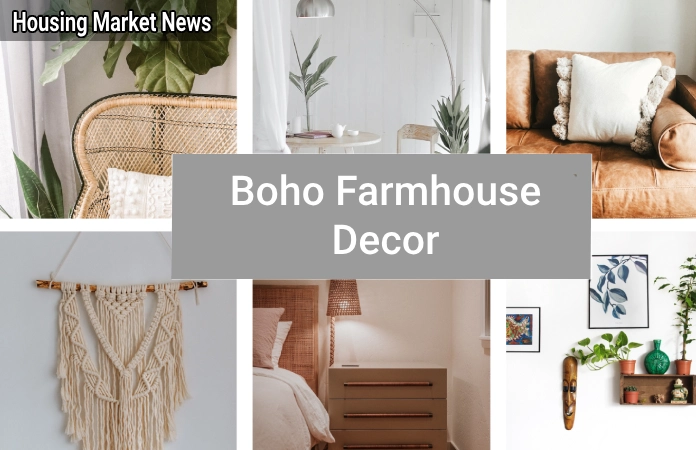
Boho farmhouse decor is a captivating design trend that combines the rustic warmth of farmhouse style with the free-spirited, eclectic elements of bohemian aesthetics. This unique blend creates spaces that feel cozy, inviting, and full of personality. Whether you’re starting from scratch or refreshing your home, this style offers endless possibilities for creativity and self-expression.

What is Boho Farmhouse Decor?

Boho farmhouse decor is all about mixing two distinct styles: the rustic charm of farmhouse design and the vibrant, eclectic vibe of boho aesthetics. Farmhouse decor emphasizes natural materials like wood and stone, neutral color palettes, and vintage-inspired furniture. On the other hand, boho style brings in colorful patterns, layered textures, and playful accents like macramé and woven baskets.

This fusion creates a relaxed yet stylish atmosphere. Imagine soft whites paired with colorful patterned pillows or rustic wooden tables adorned with brass candleholders. The result is a space that feels both lived-in and lovingly curated—a perfect balance between comfort and creativity.

Key Elements of Boho Farmhouse Decor

Neutral Color Palettes

Neutral tones form the foundation of boho farmhouse decor. Think soft whites, warm beiges, and muted grays for walls and larger furniture pieces. These colors provide a calming backdrop while allowing vibrant accents to shine.

Natural Materials

Wood is a cornerstone of this style, whether it’s raw-edge coffee tables or lightly finished picture frames. Other natural elements like stone, jute rugs, and linen curtains add texture and warmth to the space. Incorporating greenery through potted plants or hanging vines can further enhance the earthy feel.

Layered Textures

Layering textures is crucial for achieving depth and coziness. Combine soft throws with woven rugs or pair velvet cushions with rattan chairs. This interplay of textures creates visual interest while making the space feel inviting.

Vintage Finds

Vintage or weathered furniture pieces add character to boho farmhouse decor. A worn wooden dining table or an antique dresser can serve as focal points that tell a story. These items bring a sense of history while complementing modern accents.

Eclectic Accents

Bohemian touches like macramé wall hangings, Moroccan poufs, and geometric patterns infuse personality into the space. These accents make the design playful without overpowering its rustic charm.

How to Achieve the Look

Start with a Neutral Base

Begin by painting walls in soft whites or creams to create a serene backdrop. Add large furniture pieces in neutral tones—like beige sofas or wooden dining tables—to anchor the room.

Layer Textiles for Comfort

Layering textiles is an easy way to add warmth and bohemian flair. Use patterned throw pillows on neutral couches or drape woven blankets over chairs. A jute rug can ground the space while adding texture.

Incorporate Natural Wood Elements

Wooden furniture and decor pieces are essential for connecting both styles. Consider adding a raw-edge coffee table, wooden candleholders, or picture frames with visible grain for an organic touch.

Mix Patterns Thoughtfully

Patterns bring life to boho farmhouse spaces but should be used sparingly to avoid overwhelming the room. Start small with patterned pillows or rugs in similar color families. Mixing different scales—like large floral prints with small geometric designs—keeps things balanced.

Add Pops of Personality

Personalize your space with handmade decor like macramé plant hangers or painted pots. Display vintage finds alongside modern accents on open shelving for a curated look that reflects your individuality.

Styling Tips for Different Rooms

Living Room

Create a cozy living room by layering textiles on sofas and chairs. Add a wooden coffee table as a centerpiece and decorate it with brass candleholders or woven trays. Incorporate plants like trailing jade in baskets for a touch of greenery.

Bedroom

In bedrooms, use soft linens for bedding paired with patterned throw pillows for visual interest. A vintage dresser can serve as both storage and decor, while macramé wall hangings add bohemian charm above the bed.

Kitchen

For kitchens, open shelving works beautifully in boho farmhouse style. Display ceramic dishes alongside woven baskets or antique jars for a mix of textures. Wooden cutting boards and brass hardware can tie together rustic and bohemian elements seamlessly.

The appeal of boho farmhouse decor lies in its versatility and timeless charm. As sustainability becomes more important in design trends, this style embraces natural materials like reclaimed wood and eco-friendly fabrics. It also allows homeowners to blend old favorites with new trends, creating spaces that feel personal yet modern.

Moreover, its layered textures and eclectic accents make it ideal for those who value comfort without sacrificing style. Whether you’re drawn to the rustic simplicity of farmhouse decor or the vibrant creativity of boho aesthetics, this design trend offers something for everyone.

Conclusion

Boho farmhouse decor is more than just a design trend; it’s a way to create spaces that reflect your personality while offering comfort and charm. By blending neutral tones with vibrant patterns, layering textures, and incorporating natural materials, you can achieve this beautiful aesthetic in any room.

Whether you’re decorating your living room with vintage finds or adding macramé accents to your bedroom, boho farmhouse style invites you to mix and match elements freely—creating a home that’s uniquely yours. So why wait? Start transforming your space into a cozy haven today!

For more in-depth insights and the latest updates on the housing market, visit Housing Market News and stay informed about real estate trends, home improvement tips, and property news.

Painting plywood surfaces can transform them into durable, visually appealing elements for furniture, walls, or crafts. Choosing the best paint for plywood surfaces and following proper techniques are crucial for achieving a professional finish that lasts. This guide explores the best paints for plywood surfaces, preparation steps, and application tips to ensure your project shines.

Why Plywood Needs Special Attention Before Painting

Plywood is a versatile material made of thin layers of wood veneers glued together. Its surface can range from smooth to rough depending on the grade, which affects how paint adheres. Proper preparation is essential to ensure durability and a smooth finish.

Before painting, plywood requires sanding to remove imperfections and create a uniform surface. Lower-grade plywood may have knots and voids that need filling with wood filler or joint compound. Additionally, sealing edges prevents moisture damage and ensures an even paint application.

Best Paint for Plywood Surfaces: Top Choices and Expert Advice

When it comes to enhancing the appearance and longevity of plywood, selecting the best paint for plywood surfaces is essential. Whether you’re working on DIY furniturewall paneling, or craft projects, the right paint type makes a significant difference. Acrylic latex paint is a popular choice for interior plywood due to its smooth finish and durability. For outdoor applications, exterior-grade oil-based paint offers added resistance to moisture and harsh weather conditions. Always consider the environment in which the plywood will be used before making your paint selection.

Proper surface preparation is just as important as the paint itself. Begin by sanding the plywood to eliminate rough patches, followed by applying a high-quality primer for plywood to ensure the paint adheres evenly. Using a paint sealant or topcoat can further enhance durability, especially for surfaces exposed to frequent use or humidity. Whether you’re revamping kitchen cabinets or building custom shelving, investing in the best plywood paint ensures a polished, long-lasting finish that elevates the entire project.

Water-Based Latex Paint

Water-based latex paint is a popular choice for interior plywood projects like wall paneling or bookshelves. It dries quickly, has low odor, and cleans easily with soap and water. Modern formulations offer improved durability, making latex paint suitable for both indoor and outdoor applications.

Oil-Based Paint

For high-traffic items like floors or tables, oil-based paint provides unmatched durability. It creates a hard, shell-like finish that resists wear and tear. However, it has a longer drying time and emits strong fumes during application, requiring proper ventilation.

Acrylic Paint

Acrylic paint is ideal for furniture and craft projects due to its flexibility and resistance to cracking. It retains vibrant colors even in sunlight and offers a middle-ground option between latex and oil-based paints in terms of durability.

Chalk Paint

Chalk paint is perfect for creating a vintage or rustic look on plywood surfaces. It requires minimal prep work but needs sealing with wax or polyurethane for protection.

Enamel Paint

Enamel paint delivers a glossy finish that resists stains and moisture, making it ideal for kitchen cabinets or bathroom furniture. It requires careful application to avoid brush marks.

How to Prepare Plywood for Painting

Preparation is key to achieving a flawless finish on plywood surfaces. Follow these steps:

Step 1: Sanding

Start by sanding the plywood with progressively finer grits of sandpaper (80-grit for rough surfaces, followed by 120- and 220-grit). This smooths out imperfections and ensures better paint adhesion. Wipe away dust with a tack cloth.

Step 2: Filling Holes

Fill deep holes or dents with wood filler. For smaller gaps, apply joint compound evenly across the surface using a putty knife. Allow it to dry overnight before sanding again.

Step 3: Sealing Edges

Seal the edges of plywood with joint compound or edge sealer to prevent moisture absorption and create a smooth finish.

Step 4: Priming

Apply a high-quality primer suited for wood surfaces. Priming helps paint adhere better and prevents tannins from bleeding through. Use thin coats and let each layer dry completely before proceeding.

Painting Techniques for Plywood

Once your plywood is prepared, follow these painting techniques:

Step 1: Thin Coats

Apply thin coats of paint using a brush or roller. Thick layers can lead to drips and uneven drying. Start in the center of the surface and work outward to avoid buildup at edges.

Step 2: Drying Time

Allow each coat to dry according to the manufacturer’s instructions—typically 2–4 hours for water-based paints and up to 24 hours for oil-based paints. Proper drying prevents peeling or cracking later.

Step 3: Sealing

Finish with a protective sealant such as polyurethane or lacquer to extend the lifespan of your painted plywood. This step is especially important for outdoor projects or furniture that will see heavy use.

Best Paint Choices Based on Project Type

Different projects require specific paints tailored to their needs:

  • Furniture: Semi-gloss enamel or satin acrylic paints resist stains and clean easily.
  • Walls: Eggshell latex provides subtle sheen while hiding imperfections.
  • Floors: Porch and floor paints are designed to withstand foot traffic.
  • Outdoor Projects: Exterior-grade acrylic latex or oil-based paints resist UV damage and moisture.
  • Crafts: Non-toxic acrylic craft paints are ideal for small DIY projects.

Common Mistakes to Avoid

Avoid these pitfalls when painting plywood:

  • Skipping primer on raw plywood leads to poor adhesion.
  • Using interior paint outdoors results in peeling under sunlight.
  • Shaking latex paint introduces air bubbles; stir gently instead.
  • Rushing between coats compromises durability.
  • Using wall paint on furniture without sealing causes damage from heat or cleaning.

Real-Life Example: Transforming Plywood Furniture

Imagine repurposing an old plywood table into a chic centerpiece. After sanding the surface smooth, you fill dents with wood filler and seal edges with joint compound. A latex primer sets the stage for semi-gloss acrylic paint in your favorite color. With patience between coats, you achieve a flawless finish that withstands daily use.

Conclusion

The best paint for plywood surfaces depends on your project’s needs—whether it’s durability for floors, vibrant colors for crafts, or weather resistance for outdoor furniture. Proper preparation, including sanding, priming, and sealing edges, ensures professional results that last.

By choosing the right paint type—latex, oil-based, acrylic, chalk, or enamel—and following expert techniques, you can transform any plywood surface into a stunning masterpiece!

For more in-depth insights and the latest updates on the housing market, visit Housing Market News and stay informed about real estate trends, home improvement tips, and property news.

Joe Milton, the rising NFL quarterback, has made waves both on and off the field. While his strong arm and athleticism have earned him recognition in football, his lifestyle and home choices have also caught the public’s attention. One of the most talked-about aspects of his life is the Joe Milton House, a stunning property located in Dallas, Texas. Let’s dive deep into the details of this remarkable house and explore Milton’s journey, net worth, and real estate portfolio.

Who Is Joe Milton?

Joe Milton is an American professional football quarterback currently playing for the Dallas Cowboys in the NFL. Born on March 6, 2000, in Pahokee, Florida, Milton grew up chasing rabbits in sugarcane fields—a tradition in his hometown. He attended Olympia High School in Orlando before committing to play college football at Michigan and later transferring to Tennessee. His college career showcased his exceptional arm strength and ability to throw deep passes, earning him a spot in the NFL.

Milton was drafted by the New England Patriots in 2024 as a sixth-round pick but was recently traded to the Dallas Cowboys. Off the field, Milton enjoys music, gaming, and spending time with family. He is also involved in community service activities that support youth education.

Joe Milton’s Assets

  • Net Worth: Estimated at $1 million.
  • Cars: Known for owning luxury vehicles.
  • Real Estate: Includes his Dallas property and potential investments.
  • NIL Deals: Valued at $565K annually.
  • Endorsements: Partnerships with brands like Beats by Dre and McDonald’s.
Detail Information
Full Name Joseph Jay Milton
Date of Birth March 6, 2000
Height 6 ft 5 in (1.96 m)
Weight 246 lb (112 kg)
NFL Team Dallas Cowboys
Net Worth $1 million
Draft Year 2024 (6th round)
College Teams Michigan & Tennessee
Hobbies Music, gaming, community service

Where Does Joe Milton Live Now?

Joe Milton currently resides in Dallas, Texas, following his trade to the Cowboys. The city offers a vibrant lifestyle with its mix of modern amenities and southern charm. Dallas is known for its upscale neighborhoods, bustling nightlife, and proximity to major sports facilities like AT&T Stadium—the Cowboys’ home turf.

Milton’s house is situated in one of Dallas’ prestigious areas surrounded by lush greenery and well-maintained streets. The neighborhood is ideal for athletes seeking privacy while staying close to urban conveniences.

Joe Milton House

Where Is Joe Milton’s House?

The Joe Milton House is located in Dallas, Texas—a city renowned for its luxurious homes and thriving sports culture. The property sits within a gated community that offers security and exclusivity. Its location provides easy access to downtown Dallas as well as nearby training facilities.

Features of Joe Milton House

Milton’s house reflects modern elegance combined with functionality. The design incorporates open spaces and natural lighting to create a welcoming atmosphere.

  • Architectural Style: Contemporary with sleek lines.
  • Area: Approximately 4,500 square feet.
  • Interior Design: Minimalistic yet luxurious with high-end finishes.
  • Exterior Design: A mix of stonework and glass panels for a modern look.

Personal Touches After Purchase

Since acquiring the house, Joe Milton has made several upgrades to suit his lifestyle:

  1. Installed a state-of-the-art home gym.
  2. Redesigned the backyard with a swimming pool and lounge area.
  3. Added smart home technology for convenience.
  4. Upgraded kitchen appliances to professional-grade models.
  5. Personalized rooms with Tennessee memorabilia from his college days.

Amenities of Joe Milton House

  • Swimming pool
  • Home theater
  • Outdoor kitchen
  • Game room
  • Private gym

Neighborhood Area

The neighborhood surrounding Joe Milton’s house is known for its tranquility and upscale environment. It features tree-lined streets, parks, and access to top-rated schools. Nearby attractions include boutique shopping centers, fine dining restaurants, and entertainment hubs like Victory Park.

The area also boasts excellent connectivity to major highways and public transportation options, making it convenient for commuting.

Market Value

Here’s a breakdown of the property’s financial details:

Detail Information
Build Year 2020
Purchase Year 2025
Purchase Value $850,000
Current Value $1 million

The house has appreciated significantly due to its prime location and upgrades made by Milton.

Joe Milton’s Real Estate Portfolio

While details about other properties owned by Joe Milton are limited, he has shown interest in real estate through partnerships like his NIL venture with Hometown Realty in Knoxville. This collaboration highlights his potential involvement in property investments beyond his primary residence.

Previous Homes

Milton grew up in Pahokee before moving to Orlando for high school. During his college years at Michigan and Tennessee, he lived near campus housing facilities tailored for student-athletes.

Current Investments

Aside from his Dallas home, Milton may explore additional properties as part of his growing portfolio.

Conclusion

The Joe Milton House stands as a testament to his success both on and off the field. With its modern design, luxurious amenities, and personal touches reflecting his journey from college football to the NFL, this property showcases how far he has come.

As he continues to make strides in his career with the Dallas Cowboys, fans can expect more exciting updates about his lifestyle and achievements.

FAQs About Joe Milton

What round will Joe Milton be drafted?

Joe Milton was drafted in the sixth round of the 2024 NFL Draft by the New England Patriots. He was selected with the 193rd overall pick, showcasing his potential despite being a late-round selection.

How far can Joe Milton throw a football?

Joe Milton is known for his legendary arm strength. He has reportedly thrown a football over 90 yards during practice and demonstrated his ability to throw 71 yards with precision at the NFL Combine. His arm strength has made him one of the most talked-about quarterbacks in terms of raw physical talent.

Where did Joe Milton go?

Joe Milton started his college career at the University of Michigan (2018–2020) before transferring to the University of Tennessee (2021–2023). In 2024, he was drafted by the New England Patriots but was recently traded to the Dallas Cowboys in April 2025.

Is Joe Milton going to the NFL?

Yes, Joe Milton is already in the NFL. He was drafted by the New England Patriots in 2024 and is now part of the Dallas Cowboys roster as a backup quarterback to Dak Prescott following a trade in April 2025.

For more in-depth insights and the latest updates on the housing market, visit Housing Market News and stay informed about real estate trends, home improvement tips, and property news.

Securing a mortgage is one of the most significant financial decisions many people will make in their lifetime. Whether you’re a first-time homebuyer or looking to move up the property ladder, understanding mortgage eligibility is essential. This guide will walk you through the key factors that lenders consider when determining your eligibility, how your financial profile impacts your borrowing potential, and what steps you can take to improve your chances of approval.

What Does Mortgage Eligibility Mean?

Mortgage eligibility refers to the criteria that lenders use to decide whether you qualify for a home loan. Lenders assess your financial stability, creditworthiness, and ability to repay the loan over time. This evaluation involves analyzing factors such as income, credit score, debt-to-income ratio (DTI), employment history, and savings for a down payment.

Each lender has its own set of requirements, but the goal is universal: to ensure that borrowers can manage their mortgage payments without undue financial strain. Meeting these criteria not only increases your chances of approval but also helps you secure more favorable loan terms.

Key Factors That Determine Mortgage Eligibility

Income and Employment Stability

Your income is a cornerstone of mortgage eligibility. Lenders want assurance that you have a steady and reliable source of income to cover your monthly payments. This includes salary, bonuses, commissions, and even income from self-employment or investments. Typically, lenders require proof of income through recent pay stubs, W-2 forms, or tax returns covering the last two years.

Employment stability also plays a critical role. Most lenders prefer applicants who have been in their current job for at least two years. If you’ve recently changed jobs but remain in the same field or have strong qualifications (e.g., a degree in your field), this may still work in your favor.

Debt-to-Income Ratio (DTI)

The DTI ratio measures how much of your gross monthly income goes toward paying debts. This includes credit card payments, car loans, student loans, and the proposed mortgage payment. A lower DTI ratio indicates better financial health and increases your chances of approval.

Most lenders prefer a DTI ratio below 36%, though some may allow ratios as high as 43% or even 50%, depending on other compensating factors like a high credit score or significant cash reserves.

Credit Score

Your credit score is one of the most influential factors in determining mortgage eligibility. It reflects your history of managing debt and signals to lenders how likely you are to repay the loan. A higher credit score often results in better interest rates and loan terms.

For conventional loans, a minimum credit score of 620 is typically required. However, government-backed loans like FHA loans may accept scores as low as 500 with a larger down payment. Checking your credit report for errors and improving your score before applying can significantly enhance your eligibility.

Down Payment

The size of your down payment affects both your eligibility and the overall cost of the mortgage. A larger down payment reduces the lender’s risk and may qualify you for better interest rates. While some loans require as little as 3% down (e.g., conventional loans), putting down 20% or more can help you avoid private mortgage insurance (PMI) costs.

Savings and Cash Reserves

Lenders often require proof that you have sufficient savings to cover at least two to three months’ worth of mortgage payments in reserve. This demonstrates financial resilience in case of unexpected expenses or income disruptions.

Property Value and Loan-to-Value Ratio (LTV)

The LTV ratio compares the loan amount to the appraised value of the property. A lower LTV ratio indicates less risk for the lender because you’re borrowing less relative to the property’s value. For example, if you’re buying a $300,000 home with a $60,000 down payment, your LTV ratio would be 80%. Most lenders prefer an LTV ratio below 80%, though some programs allow higher ratios with additional safeguards like PMI.

How Your Financial Profile Impacts Borrowing Potential

Income Multipliers

Lenders typically calculate how much you can borrow based on an income multiplier—generally four to five times your annual salary. For example:

  • If you earn $50,000 annually, you might qualify for a loan between $200,000 and $250,000.
  • Dual-income households may combine their earnings to increase borrowing potential.

However, this calculation is just a starting point; other factors like DTI ratio and credit score will influence the final amount.

Spending Habits

Lenders examine recent bank statements to assess spending habits and ensure they align with your claimed income level. Irregular expenses like gambling or excessive discretionary spending could raise red flags during underwriting.

Future Financial Obligations

If you anticipate significant future expenses—such as childcare costs or tuition fees—lenders may factor these into their assessment. Being transparent about upcoming obligations helps avoid overextending yourself financially.

Steps to Improve Your Mortgage Eligibility

  1. Build Your Credit Score: Pay off outstanding debts, reduce credit card balances, and avoid opening new lines of credit before applying.
  2. Save for a Larger Down Payment: The more equity you can contribute upfront, the better.
  3. Reduce Debt: Lowering your DTI ratio by paying off existing loans improves eligibility.
  4. Stabilize Employment: Aim for at least two years of consistent work history in the same field.
  5. Organize Financial Documents: Gather pay stubs, tax returns, bank statements, and other required paperwork well in advance.
  6. Get Pre-Approved: A pre-approval letter from a lender shows sellers that you’re serious about buying and provides clarity on how much you can borrow.

Why Pre-Approval Matters

A mortgage pre-approval involves a preliminary assessment by the lender based on your financial information. It gives you an estimate of how much you can borrow and strengthens your position when making an offer on a property.

Pre-approval typically involves a soft credit check that doesn’t impact your score but provides valuable insights into loan options available to you.

Common Challenges and How to Overcome Them

Low Credit Score

If your credit score falls below the lender’s minimum requirement:

  • Consider government-backed loans like FHA or VA programs.
  • Work on improving your score by addressing errors on your credit report or paying off high-interest debts.

High DTI Ratio

If your DTI ratio exceeds acceptable limits:

  • Focus on reducing existing debts before applying.
  • Opt for a smaller loan amount or increase your down payment to lower monthly obligations.

Inconsistent Income

For self-employed individuals or those with variable incomes:

  • Provide detailed documentation such as profit-and-loss statements.
  • Demonstrate consistent earnings over at least two years.

Conclusion

Understanding mortgage eligibility is crucial for navigating the home-buying process confidently. By focusing on key factors like income stability, creditworthiness, debt management, and savings, you can improve your chances of securing favorable loan terms. Whether you’re applying for your first mortgage or looking to refinance an existing one, preparation is key to turning homeownership into reality.

By taking proactive steps—such as improving your credit score, saving for a larger down payment, and reducing debt—you can position yourself as an attractive candidate for lenders while ensuring long-term financial stability in homeownership.

For more in-depth insights and the latest updates on the housing market, visit Housing Market News and stay informed about real estate trends, home improvement tips, and property news.

The world of interior design in 2025 is a fascinating blend of innovation, nostalgia, and sustainability. This year’s trends reflect a shift toward creating spaces that are not only visually stunning but also functional, eco-friendly, and deeply personal. From bold color palettes and textured surfaces to sustainable materials and wellness-focused spaces, 2025 promises to redefine how we experience our homes. Let’s explore the top interior design trends shaping the year.

Minimalism With a Cozy Twist: The Rise of Japandi

Minimalism continues to thrive in 2025, but with a warmer, more inviting approach. Japandi—a fusion of Japanese and Scandinavian design—remains a dominant style. This aesthetic emphasizes simplicity, natural materials, and neutral tones while incorporating cozy elements like soft textiles and warm lighting. The result is a serene environment that promotes relaxation and well-being. Bamboo furniture, neutral-toned cushions, and subtle lighting are key features of this trend.

Textured Walls and Ceilings: Adding Depth to Spaces

Flat surfaces are no longer the norm. Textured walls and ceilings are making waves in 2025, transforming plain spaces into dynamic focal points. From wallpapered ceilings to decorative plaster finishes and wood paneling, these elements add depth and character to any room. Textures not only enhance visual appeal but also create tactile experiences that make spaces feel more engaging.

Wellness-Centric Spaces: Designing for Health and Relaxation

Wellness is at the forefront of interior design this year. Homeowners are dedicating specific areas for relaxation, mindfulness, and physical health. These wellness spaces range from yoga studios and meditation rooms to spa-like bathrooms featuring natural light, indoor plants, and calming colors. The goal is to create environments that nurture both the body and mind.

Integrated Indoor-Outdoor Living: Blurring Boundaries

The line between indoor and outdoor living continues to blur in 2025. Homes are being designed with seamless transitions between these spaces through elements like retractable glass doors, outdoor kitchens, and weather-resistant furniture. This trend not only expands usable living areas but also fosters a connection with nature.

Bold Color Palettes: A Departure From Neutrals

After years dominated by neutral tones, bold colors are making a comeback. Deep burgundy, vibrant greens, cobalt blue, and warm terracotta are among the hues taking center stage this year. Monochromatic schemes using varying shades of a single color are also popular for creating cohesive yet impactful interiors. These bold palettes inject personality into spaces while maintaining sophistication.

Sustainability as a Core Principle

Sustainability is no longer optional—it’s essential in 2025 interior design. Designers are prioritizing eco-friendly materials like recycled natural stones, vegan leathers, water-based resins, and regenerated glass. Furniture made from sustainable wood or repurposed items is gaining traction as consumers seek durable products with minimal environmental impact. This trend reflects a growing awareness of our responsibility toward the planet.

Sensorial Design: Engaging All the Senses

Interior design in 2025 goes beyond aesthetics to engage all five senses. Sensorial design incorporates textures like soft rugs and smooth ceramics, scents from essential oil diffusers or candles, soothing sounds through integrated audio systems, and adjustable lighting to set the mood. These elements work together to create immersive environments that enhance comfort and well-being.

Nostalgia Meets Modernity: Reviving Retro Styles

Nostalgia plays a significant role in 2025’s design landscape with a revival of ’80s and ’90s aesthetics. Elements like Art Deco patterns, flame stitch techniques, and “brown furniture” (classic wooden pieces) bring history and character into homes. These retro styles are often reinterpreted with modern twists to blend seamlessly with contemporary decor.

Organic Materials and Textures: A Nod to Nature

Natural materials such as jute rugs, wool throws, oak furniture, rattan lampshades, and stone countertops dominate interiors this year. These organic textures evoke warmth and grounding while fostering a sense of connection with nature. Handcrafted items further enhance the authenticity of these designs.

Curved Furniture: Softening Spaces

Harsh lines are being replaced by curves in 2025 furniture designs. Sofas with rounded edges, circular coffee tables, and arched mirrors create softer, more inviting spaces. This trend adds an element of comfort while maintaining elegance.

Layered Lighting: Creating Ambience

Lighting takes on a layered approach this year to enhance both functionality and atmosphere. A combination of task lighting (like desk lamps), accent lighting (wall sconces), and ambient lighting (floor lamps) creates depth in rooms while allowing homeowners to adjust brightness levels based on their needs.

Pattern Play: Mixing Prints for Visual Interest

Patterns are being used boldly in 2025 interiors to add vibrancy and personality. Stripes, geometric shapes, floral motifs, and abstract designs can be found on everything from upholstery to wallpaper. Mixing patterns thoughtfully creates dynamic yet harmonious spaces.

Multifunctional Furniture: Adapting to Modern Lifestyles

With space often at a premium in modern homes, multifunctional furniture is increasingly popular. Pieces like sofa beds with storage compartments or dining tables that double as workstations offer practicality without compromising style.

High-Gloss Finishes: Reflecting Elegance

Reflective surfaces such as high-gloss cabinetry or mirrored accents bring sophistication into interiors while amplifying light within spaces. These finishes work particularly well in smaller rooms by creating an illusion of expansiveness.

Personalized Decor: Telling Your Story

Personalization is key in 2025 interior design trends as homeowners seek unique touches that reflect their identities. Vintage finds paired with modern pieces or curated collections displayed on shelves add character to homes while telling individual stories.

Earthy Tones: Grounding Interiors

Inspired by nature’s palette—think moss green walls or terracotta tiles—earthy tones provide warmth and grounding qualities ideal for creating tranquil environments within busy households.

Fluid Patterns: Embracing Organic Movement

Furniture designs featuring fluid patterns mimic natural forms found outdoors—like rippling water or flowing sand dunes—and bring them indoors for added harmony between man-made structures & Mother Nature herself!

In conclusion—interior design trends for 2025 focus heavily upon blending past traditions alongside future innovations! Whether embracing bold colors/textures alongside sustainable practices; these new directions ensure every homeowner finds something uniquely suited towards their tastes/preferences!

For more in-depth insights and the latest updates on the housing market, visit Housing Market News and stay informed about real estate trends, home improvement tips, and property news.
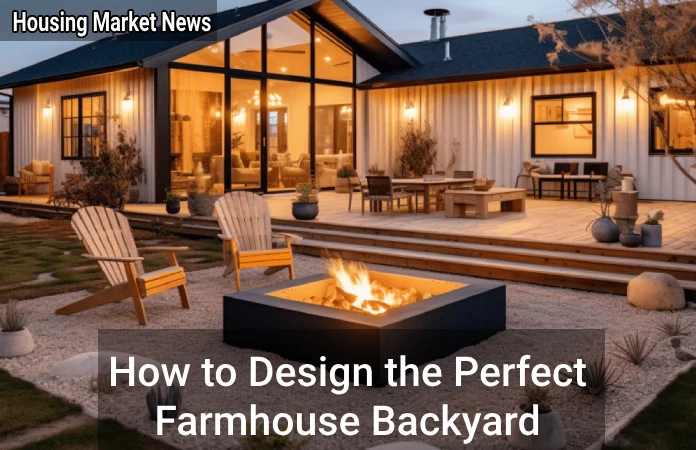
Designing the perfect farmhouse backyard is an opportunity to create a space that blends rustic charm, functionality, and comfort. A well-thought-out farmhouse backyard not only enhances the aesthetic appeal of your property but also provides a serene retreat for relaxation, entertaining, and connecting with nature. This guide explores the essential elements and steps to achieve a harmonious farmhouse-style outdoor space.

Planning Your Farmhouse Backyard

The foundation of any successful backyard design lies in careful planning. Before diving into landscaping or decor, it’s crucial to assess your outdoor space and establish a clear vision.

Assessing Your Outdoor Space

Begin by evaluating the size, shape, and unique features of your backyard. Take note of sunny areas, shaded corners, slopes, or natural focal points such as mature trees or existing patios. Mapping out these elements will help you determine how to allocate different zones for dining, lounging, gardening, or play areas.

Establishing a Design Vision

Decide on the overall theme and functionality of your farmhouse backyard. Whether you prefer a traditional rustic look or a modern farmhouse aesthetic with clean lines, having a clear vision will guide your material selection and layout decisions.

Choosing Materials That Last

Farmhouse backyards are characterized by their use of natural materials that age gracefully and withstand the elements. Selecting durable and practical materials is key to maintaining the beauty and longevity of your outdoor space.

Natural Materials and Rustic Textures

Incorporate wood, stone, and metal into your design. Wooden decks, fences, or pergolas add warmth and authenticity, while stone pathways or retaining walls provide texture and durability. Metal accents such as light fixtures or planters introduce contrast and industrial charm. Reclaimed wood is particularly popular for its weathered appearance that enhances the rustic vibe.

Harmonizing Materials

To create a cohesive look, limit the variety of materials used in your backyard. For instance, pairing wooden furniture with stone pathways ensures visual continuity while maintaining a rustic aesthetic.

Creating Functional Zones

A well-designed farmhouse backyard is both beautiful and functional. Dividing the space into distinct zones ensures it caters to various activities while maintaining an organized layout.

Dining Areas

Position outdoor dining spaces near the kitchen or grill for convenience. A wooden farmhouse table paired with weather-resistant chairs creates an inviting spot for al fresco meals. Consider adding shade structures like pergolas or umbrellas to enhance comfort during sunny days.

Relaxation Zones

Design cozy seating areas with plush cushions and durable furniture. Swings, hammocks, or Adirondack chairs can add character while providing comfortable spots to unwind. Surround these areas with soft lighting or fire pits to make them usable even after sunset.

Gardening Spaces

Incorporate raised garden beds or planters for flowers, herbs, or vegetables. Using materials like reclaimed wood or galvanized steel adds to the farmhouse aesthetic while offering practical solutions for gardening enthusiasts.

Landscaping for Charm and Functionality

Thoughtful landscaping transforms your backyard into a picturesque retreat that feels connected to nature while serving functional purposes.

Layered Planting

Mix tall trees with shrubs and flowering plants to create depth and visual interest. Native plants are an excellent choice as they require less maintenance and thrive in local climates.

Pathways and Borders

Stone or gravel pathways not only guide movement through the yard but also add rustic charm. Line these paths with flowers or low hedges to enhance their appeal.

Edible Gardens

Incorporating edible gardens aligns with the practical ethos of farmhouse living. Herb patches or vegetable beds can be both functional and decorative.

Landscaping for Charm and Functionality

Adding Personal Touches

Personalizing your farmhouse backyard ensures it feels like an extension of your home rather than just an outdoor area.

Decorative Accents

Rustic elements like vintage garden tools, distressed finishes, or antique signs can infuse character into the space. Incorporating these accents subtly avoids overwhelming the design.

Lighting Solutions

String lights, lanterns, or candles create a warm ambiance ideal for evening gatherings. Solar-powered options are eco-friendly and align with sustainable living principles often associated with farmhouses.

Enhancing Comfort Year-Round

A perfect farmhouse backyard should be enjoyable in all seasons. Preparing for varying weather conditions ensures year-round usability.

Seasonal Adaptations

Install features like fire pits for colder months or shaded pergolas for summer days. Weather-resistant furniture and fabrics further enhance durability against seasonal changes.

Bug Control

Keep pests at bay by planting bug-repelling plants such as lavender or citronella around seating areas. Regular maintenance like removing standing water helps prevent mosquito breeding.

Incorporating Modern Features

While staying true to its rustic roots, a modern farmhouse backyard can include contemporary elements that enhance convenience without compromising style.

Outdoor Kitchens

Install outdoor kitchens with built-in grills and prep areas made from stone or brick for durability. These spaces make entertaining seamless while blending into the overall aesthetic.

Sustainable Solutions

Features like solar-powered lighting or rainwater harvesting systems align with eco-friendly practices while adding functionality to your backyard.

Conclusion

Designing the perfect farmhouse backyard involves balancing rustic charm with practicality and comfort. By carefully planning your layout, choosing durable materials, creating functional zones, and adding personal touches, you can transform your outdoor space into a haven that reflects both style and purpose. Whether it’s hosting family gatherings around a fire pit or enjoying quiet mornings in a lush garden, a thoughtfully designed farmhouse backyard becomes an extension of your home—a place where memories are made amidst nature’s beauty.

For more in-depth insights and the latest updates on the housing market, visit Housing Market News and stay informed about real estate trends, home improvement tips, and property news.

Picture this: You step outside and snag some fresh herbs and veggies bursting with flavour! Mediterranean edibles bring coastal tastes right to your home. Don’t worry about space, as these plants manage just fine in smaller spots.

Your cooking skills will also jump to impressive new levels with the ingredients you’ve grown yourself. Nothing beats the joy of growing what you eat. From zesty peppers to fragrant rosemary, this collection of seven plants offers remarkable taste and health perks.

Ready for something different? Let’s dive into these Mediterranean gems that will transform your garden.

Peppers

Bright peppers stand as key players in Mediterranean dining culture. Their remarkable flavour and significant wellness perks have secured their place in everyday meals.

If spicy chillies excite your palate or sweet bells suit your taste, give these vegetable varieties a go. These treasures pack substantial antioxidants and crucial vitamins into every bite.

During cold months, begin your journey by planting seeds indoors. Move them outside after they are robust so they can benefit from the warmth and sunlight—ideally above 19°C.

Water them frequently, but not excessively. For optimal effects, fertilise the soil every two weeks and rotate their locations to avoid fungal issues.

Nurture them inside your home in containers with adequate drainage if you have limited room. After a few cycles, your peppers will be ready to lend zest to any dish you choose.

Olive Trees

Homegrown olives improve your general health by adding authentic taste and nutrients to your meals all year long.

For optimal development, olive trees require dry soil and plenty of sunlight. Give them adequate water, but in between applications, allow the earth to dry out. Pruning also promotes their expansion and aesthetic appeal.

Although the requirements of various olive varieties differ, gardening contractors explain that all of them need three to five years to mature.

Don’t let those elegant trees fool you, though. Once they settle in, they actually need minimal attention. Their distinctive silver-green leaves catch the eye throughout all seasons, bringing a touch of class to garden areas.

You’ll get the best of both worlds, as these beauties produce delicious harvests while simultaneously serving as stunning decorative elements.

Tomatoes

Tomatoes are loaded with vitamin C and powerful antioxidant lycopene. For Mediterranean cooking enthusiasts, grab some San Marzano or Roma varieties to elevate your sauces and brighten your salads.

Growing them yourself is surprisingly straightforward as well. Begin with either seeds or seedlings. If using seeds, start them indoors roughly 6-8 weeks before frost passes.

Once your tiny plants develop a few leaves, transplant them to your garden, giving each about 50 centimetres of breathing room.

Use a cage or stake for support to keep them off the damp ground and avoid rot. Hydrate only when the soil needs it, and fertilise the earth lightly every few weeks for a better taste and yield.

Planting basil nearby can also help keep pests away. Finally, pluck them when they display their full colour and still feel firm to the touch.

Follow these straightforward pointers, and you’ll soon be rewarded with an abundant harvest of mouthwatering homegrown tomatoes.

Basil

Mediterranean cuisine involves lots of herbs, especially basil. Folks don’t just toss it in dishes for taste. They use it for its health-boosting powers, too. Studies show that meals featuring basil can help calm inflammation in your body.

Growing basil at home is surprisingly simple. You don’t need a green thumb. Just stick a seed or cutting in soil that drains well.

Sunlight matters, though, so provide it with direct rays. This bright spot can turn even a dull corner into a mini garden paradise. Keep the soil consistently moist, not soggy, and watch your plant thrive beautifully.

Moreover, consistent upkeep, like trimming and removing dead blooms, safeguards your harvests and enables newer leaves to flourish.

Even total gardening newbies find success with basil, which feels great when you pull those first fresh leaves for dinner.

Zucchini

Mediterranean cooks can’t get enough of zucchini. You’ll spot it starring in everything from hearty ratatouille to fancy stuffed veggie platters. Beyond tasting fantastic, it’s light on calories while packing a nutritional punch.

You can cultivate these plants either in your garden or within your home, though bear in mind they’ll spread roughly 20-40 centimetres outward. Maintain consistent soil dampness, especially during their vigorous growth phases, to prevent any unwelcome wilting.

Elevated garden beds work wonders for drainage and soil health. Additionally, switch up where you plant them yearly to dodge plant illnesses and keep your soil in excellent condition.

When bugs attack, reach for natural solutions like neem oil. For peak flavour and that satisfying crunch, pluck zucchini when they hit 12-16 cm long.

Harvest often, and you’ll enjoy a continuous kitchen supply. If you need extra tips, plenty of online guides exist to help you along.

Rosemary

Mediterranean cooks treasure rosemary for its striking aroma and rich flavour profile. In addition to its unique taste, this remarkable herb contains abundant antioxidants that enhance wellness naturally.

Watch it thrive in sunlit spots with soil that allows moisture to pass through easily. Since it is perfect for arid garden spaces, this hardy plant requires just periodic snipping to maintain its neat appearance.

Rosemary keeps pests at bay and is simple to propagate. Just cut a piece, let it take root, and you’ll have a new plant. It is also easy to nurture in pots, making care uncomplicated.

Figs

Figs are delicious and nutritious, packed with fibre for improved digestion and cell health. If you fancy growing some, Black Mission and Kadota are tasty and straightforward choices.

Figs love basking in sunshine and well-draining soil. If you have a tiny plot, pop them into containers right on your patio, but remember to give them a trim every now and then. It helps air circulate and keeps your tree from turning into a knotted mess.

Once settled, figs need little water, which makes them perfect for dry areas. Pick them when they are ripe—just soft and slightly droopy for the best taste. You can eat them fresh or incorporate them into your recipes. Your options are limitless!

Conclusion

Nurturing Mediterranean gems at home yields remarkable benefits. So, why not try your hand at growing aromatic basil, colourful peppers, distinctive rosemary, and juicy figs?

Don’t keep those gardening victories private as well. Sharing your plant-growing journey sparks inspiration in others who might join this tasty adventure.

For more in-depth insights and the latest updates on the housing market, visit Housing Market News and stay informed about real estate trends, home improvement tips, and property news.

Roofing is a critical aspect of home maintenance, offering protection against the elements and contributing to the overall structural integrity of a property. When it comes to roofing projects, homeowners face a fundamental decision: should they undertake the task themselves (DIY) or hire professional roofers? Both approaches have distinct advantages and disadvantages, and the right choice depends on various factors, including budget, expertise, safety considerations, and long-term goals. This article explores the nuances of DIY and professional roofing to help homeowners make informed decisions.

The Appeal of DIY Roofing

DIY roofing is often seen as a cost-saving option that allows homeowners to take control of their projects. For those with basic construction skills and a willingness to learn, DIY roofing can be an empowering experience. However, it also comes with significant challenges.

Advantages of DIY Roofing

1.Cost Savings

One of the most compelling reasons for opting for DIY roofing is the potential to save money by eliminating labor costs. Professional roofing services can be expensive, with labor alone accounting for a significant portion of the total expense. By doing the work themselves, homeowners can allocate their budget primarily to materials.

2.Flexibility and Control

DIY projects allow homeowners to work at their own pace and schedule. This flexibility can be particularly appealing for those who prefer to manage every aspect of the project, from material selection to installation techniques.

3.Learning Opportunity

Engaging in a DIY roofing project provides valuable hands-on experience and knowledge about roof maintenance and repair. This can be useful for future minor repairs or maintenance tasks.

Challenges of DIY Roofing

1. Lack of Expertise

Roofing requires specialized skills and knowledge that most homeowners lack. Even seemingly simple tasks, such as shingle installation or flashing placement, can have hidden complexities. Mistakes in these areas can lead to leaks, structural damage, or reduced roof lifespan.

2.Safety Risks

Working on a roof is inherently dangerous, especially for those without proper training or safety equipment. Falls from roofs are a leading cause of construction-related injuries, making safety a critical concern for DIYers.

3.Time-Consuming

Roofing projects demand significant time and effort, particularly for inexperienced individuals. A project that might take professionals a few days could stretch into weeks for a DIYer.

4.Hidden Costs

While initial expenses may appear lower, DIY projects often involve hidden costs such as tool rentals, additional materials due to mistakes, and potential repairs for errors made during installation.

The Case for Professional Roofing

Professional roofing services offer expertise, efficiency, and peace of mind but come at a higher upfront cost. For many homeowners, the benefits outweigh the expenses.

Advantages of Professional Roofing

1. Expertise and Quality Workmanship

Professional roofers bring years of experience and specialized training to the table. They are adept at diagnosing issues, selecting appropriate materials, and ensuring proper installation techniques that comply with building codes.

2. Safety Compliance

Professionals are equipped with safety gear and trained in protocols to minimize risks during installation or repair work. This ensures not only their safety but also that of the homeowner’s property.

3. Time Efficiency

Experienced roofing teams can complete projects quickly and efficiently, minimizing disruption to daily life. This is particularly important in regions with unpredictable weather conditions.

4. Warranty and Insurance Coverage

Most professional roofing companies offer warranties on materials and workmanship, providing long-term protection against defects or failures. Additionally, they carry insurance to cover any damages or accidents during the project.

5. Access to High-Quality Materials

Professionals often have access to premium materials at wholesale prices, ensuring better quality at a lower cost than what is available to individual buyers.

Drawbacks of Professional Roofing

1.Higher Initial Cost

The upfront expense of hiring professionals is significantly higher than undertaking a DIY project. This includes labor costs as well as potential markups on materials.

2.Dependency on Contractors

Homeowners must rely on contractors’ schedules and availability, which can lead to delays in project initiation or completion.

3.Less Control Over the Process

Some homeowners may feel they have less control over material selection or specific aspects of the installation process when working with professionals.

Cost Comparison: DIY vs Professional Roofing

Cost is often a decisive factor in choosing between DIY and professional roofing. While DIY projects eliminate labor costs—typically ranging from $2 to $8 per square foot depending on material type—they require homeowners to pay retail prices for materials and potentially rent specialized tools. The average cost of a DIY roof replacement ranges from $2,500 to $5,000.

In contrast, professional roofing services cost between $5,700 and $12,500 on average but include labor, materials at wholesale prices, warranties, and insurance coverage. While more expensive upfront, professional installations often prove more cost-effective in the long run due to fewer errors and repairs.

Safety Considerations

Safety is paramount in any roofing project. Professional roofers are trained in fall prevention techniques and use harnesses and other protective equipment to mitigate risks. In contrast, DIYers often underestimate the dangers associated with working at heights or handling heavy materials like shingles or metal sheets.

The risk of injury is significantly higher for untrained individuals attempting roof repairs or replacements without proper safety measures in place. Homeowners should weigh these risks carefully before deciding on a DIY approach.

Long-Term Implications

The decision between DIY and professional roofing extends beyond immediate costs or convenience; it also impacts long-term outcomes such as durability, energy efficiency, and property value.

  1. Durability
    Professionally installed roofs are more likely to meet industry standards for durability and weather resistance. Mistakes made during DIY installations can compromise structural integrity and lead to costly repairs down the line.
  2. Energy Efficiency
    Properly installed roofs contribute to better insulation and ventilation, reducing energy consumption for heating or cooling. Professionals are skilled at optimizing these aspects during installation.
  3. Property Value
    A well-installed roof enhances curb appeal and increases property value—a significant consideration for homeowners planning to sell their homes in the future.

When Is DIY Roofing Appropriate?

While professional services are generally recommended for major projects like full roof replacements or extensive repairs, there are scenarios where DIY may be suitable:

  • Minor repairs such as replacing a few shingles or resealing small leaks.
  • Routine maintenance tasks like cleaning gutters or inspecting for damage.
  • Projects undertaken by individuals with prior construction experience or training.

Conclusion: Making an Informed Decision

The choice between DIY and professional roofing ultimately depends on individual circumstances such as budget constraints, skill level, time availability, and project complexity. While DIY offers cost savings and personal satisfaction for minor tasks or experienced individuals, professional services provide unmatched expertise, safety compliance, and long-term value for larger projects.

Homeowners should carefully evaluate their capabilities and resources before embarking on a roofing project. For those unsure about their ability to handle the task safely or effectively, investing in professional services is often the wiser choice—ensuring not only a durable roof but also peace of mind for years to come.

For more in-depth insights and the latest updates on the housing market, visit Housing Market News and stay informed about real estate trends, home improvement tips, and property news.

As concerns about climate change and environmental sustainability grow, many homeowners are seeking ways to make their homes more eco-friendly. Sustainable home improvements not only reduce your carbon footprint but can also save money in the long run and enhance the comfort of your living space. This guide explores various sustainable home improvement ideas, from energy-efficient upgrades to water conservation measures, and offers practical tips for implementing them.

Energy Efficiency: The Cornerstone of Sustainability

Improving energy efficiency is one of the most impactful steps you can take toward a sustainable home. By reducing energy consumption, you lower greenhouse gas emissions and save on utility bills. Key strategies include upgrading insulation, installing energy-efficient windows, and choosing modern appliances.

Proper insulation is essential for maintaining a consistent indoor temperature. Opt for eco-friendly materials like cellulose, cotton, or sheep’s wool, which are renewable and biodegradable. Similarly, replacing drafty windows with double-glazed or low-emissivity (Low-E) models can significantly improve energy efficiency by minimizing heat transfer.

Energy-efficient appliances are another crucial component. Look for products with an Energy Star rating, as they consume less electricity and water compared to standard models. Upgrading to LED lighting is a simple yet effective way to reduce energy use; these bulbs last up to 25 times longer than incandescent ones and operate at 80%-90% efficiency.

Renewable Energy: Harnessing Nature’s Power

Incorporating renewable energy sources into your home is a significant step toward sustainability. Solar panels are among the most popular options, converting sunlight into electricity and reducing reliance on fossil fuels. While the initial investment can be high, government incentives and long-term savings make solar panels a worthwhile consideration.

If installing solar panels is beyond your budget, consider alternatives like solar water heaters or solar light tubes. These systems are less expensive but still offer substantial environmental benefits. In areas with sufficient wind resources, small wind turbines can also be a viable option for generating electricity.

Geothermal energy is another innovative solution. By utilizing the earth’s stable underground temperatures, geothermal systems provide efficient heating and cooling for your home. Similarly, underfloor heating offers an energy-efficient way to warm living spaces from the ground up, enhancing comfort while supporting sustainability goals. Though installation costs are high, the long-term savings and environmental benefits are significant.

Sustainable Materials: Building with Responsibility

The materials you choose for renovations can have a lasting impact on the environment. Opting for sustainable materials reduces waste and promotes resource conservation. Bamboo and cork are excellent choices for flooring; both are renewable resources that regenerate quickly after harvesting.

Reclaimed wood is another versatile option that adds character to your home while minimizing deforestation. It can be used for flooring, furniture, or decorative elements like mantels. Recycled materials such as glass or metal are ideal for countertops, backsplashes, and fixtures.

When painting or finishing surfaces, select low-VOC (volatile organic compounds) products to improve indoor air quality. VOCs contribute to air pollution and can negatively affect health, so choosing eco-friendly paints is a safer alternative.

Water Conservation: Saving Every Drop

Water conservation is an integral part of sustainable living. Simple upgrades like installing low-flow faucets, showerheads, and toilets can drastically reduce water usage without compromising performance. Dual-flush toilets are particularly effective in minimizing water waste.

Rainwater harvesting systems provide an additional source of water for irrigation or household use. These systems collect rainwater from rooftops and store it in tanks for later use, reducing dependence on municipal water supplies.

Tankless water heaters are another sustainable option. Unlike traditional models that maintain a constant supply of hot water, tankless systems heat water on demand, saving both energy and water.

Passive Design: Working with Nature

Passive design principles focus on utilizing natural resources like sunlight and ventilation to create comfortable living spaces with minimal energy use. For instance, strategically placing windows to maximize natural light reduces the need for artificial lighting during the day.

Thermal mass materials such as concrete or brick can help regulate indoor temperatures by absorbing heat during the day and releasing it at night. Proper shading through awnings or trees prevents overheating in summer while allowing sunlight to warm interiors in winter.

Green roofs are another innovative passive design feature. They provide insulation, reduce rainwater runoff, and even extend the lifespan of your roof. Intensive green roofs support a variety of plants but require more maintenance, while extensive green roofs are easier to install and maintain.

Waste Reduction: Minimizing Environmental Impact

Home renovations often generate significant waste, but adopting sustainable practices can minimize this impact. Deconstruction—carefully dismantling structures to salvage reusable materials—is an eco-friendly alternative to demolition.

Donating unused materials or fixtures to organizations like Habitat for Humanity prevents them from ending up in landfills while supporting community projects. Recycling construction waste such as metal, wood, or concrete further reduces environmental harm.

Composting organic waste generated during renovations is another effective strategy. Wood shavings or plant debris can be composted to create nutrient-rich soil for gardening purposes.

Smart Technology: Innovating Sustainability

Smart home technology offers numerous opportunities to enhance sustainability through automation and efficiency. Programmable thermostats optimize heating and cooling schedules based on your daily routine, reducing unnecessary energy use.

Smart lighting systems allow you to control lights remotely or set timers to ensure they’re only used when needed. Similarly, smart irrigation systems monitor weather conditions and soil moisture levels to minimize water waste in landscaping.

Energy monitoring devices provide real-time insights into your household’s energy consumption patterns, helping you identify areas for improvement.

Reuse and Recycle: Giving New Life to Old Items

Reusing existing items not only saves money but also reduces waste. For example, instead of replacing cabinets entirely, consider repainting them or swapping out hardware for a fresh look. Old wooden pallets can be repurposed into furniture or shelving units.

Shopping locally for pre-owned building materials supports local markets while reducing transportation emissions. Salvage stores often carry unique items that add character to your home while promoting sustainability.

Small Changes with Big Impacts

Even small changes can make a significant difference when it comes to sustainability. Switching to LED light bulbs or using eco-friendly cleaning products may seem minor but collectively contribute to a greener lifestyle.

Decorating sustainably by choosing recycled or upcycled furniture adds charm while reducing environmental impact. Similarly, opting for durable materials ensures that items last longer, reducing the need for frequent replacements.

Conclusion: A Greener Future Starts at Home

Sustainable home improvements offer numerous benefits beyond environmental conservation—they enhance comfort, reduce utility bills, and often increase property value. Whether you’re undertaking major renovations or making small changes, every effort contributes to a greener future.

By focusing on energy efficiency, renewable energy sources, sustainable materials, water conservation measures, passive design principles, waste reduction strategies, smart technology integration, and reuse practices, you can transform your home into an eco-friendly haven that aligns with modern values of sustainability and responsibility.