
Renovating a home can be an exciting yet daunting task, especially when working with a tight budget. The key is to plan strategically, prioritize needs over wants, and find creative ways to save without compromising on quality. In this guide, we’ll explore actionable tips to help you transform your space affordably while maintaining style and functionality.
Setting a Realistic Budget
Before diving into any renovation project, it’s crucial to establish a clear financial plan. Assess your available funds and determine how much you’re willing to spend on each aspect of the renovation, from materials to labor. Don’t forget to set aside a contingency fund—at least 10-15% of your total budget—for unexpected costs that often arise during home updates.
Creating a budget isn’t just about numbers; it’s about aligning your vision with your resources. Research average costs for the type of work you’re planning, whether it’s a kitchen overhaul or a bathroom refresh. By being realistic from the start, you’ll avoid the stress of overspending and keep your project on track.
Prioritizing Key Areas for Impact
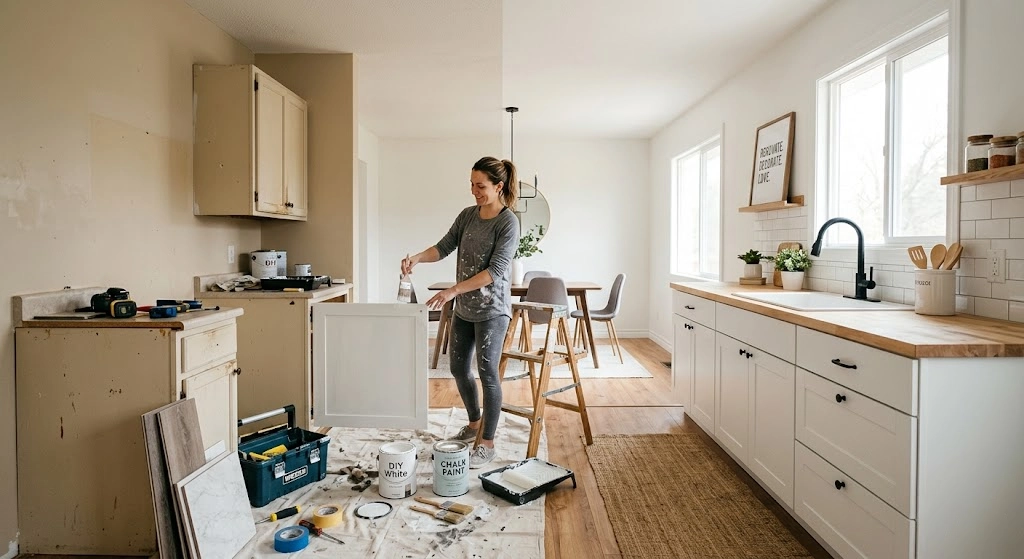
Not all renovations are created equal when it comes to adding value or improving livability. Focus on high-impact areas like the kitchen or bathroom, where updates can significantly enhance both aesthetic appeal and functionality. Small changes, such as repainting cabinets or updating fixtures, can make a big difference without breaking the bank.
If you’re unsure where to start, consider the condition of each space and how often it’s used. A worn-out kitchen might take precedence over a rarely used guest room. By tackling the most critical areas first, you ensure your home feels refreshed in the places that matter most to your daily life.
Sourcing Affordable Materials and Supplies
One of the biggest expenses in any renovation is materials, but there are plenty of ways to cut costs without sacrificing quality. Shop around for deals at local hardware stores, check out clearance sections, or explore second-hand options for items like tiles or furniture. Online marketplaces can also be a treasure trove for discounted supplies if you’re patient and persistent.
Another tip is to opt for cost-effective alternatives that mimic high-end looks. For instance, laminate countertops can replicate the appearance of granite at a fraction of the cost. With a bit of creativity, you can achieve a polished finish while staying within your financial limits.
Financing Your Renovation Wisely
For many homeowners, covering renovation costs upfront isn’t always feasible, especially for larger projects. This is where exploring funding options becomes essential to bridge the gap between your savings and your goals. A practical approach often involves looking into personal loans as a way to manage expenses over time without draining your savings.
Before committing to any financial solution, evaluate your repayment capacity and the terms offered. Ensure that the renovation adds enough value or comfort to justify the investment. By planning your finances as carefully as your design choices, you’ll maintain control over the project’s scope and timeline.
Leveraging DIY for Big Savings
Taking on some tasks yourself can drastically reduce labor costs, especially for smaller projects like painting or installing shelves. Thanks to the wealth of online tutorials, even beginners can tackle basic renovations with confidence. For inspiration on innovative home projects, take a look at this guide to creative DIY solutions that can personalize your space affordably.
However, know your limits—complex electrical or plumbing work should be left to professionals to avoid costly mistakes. Start with manageable tasks to build your skills and save money. The satisfaction of completing a project with your own hands is an added bonus to the financial benefits.
Maximizing Small Spaces with Smart Design
Renovations don’t always mean tearing down walls or expanding square footage; sometimes, it’s about optimizing what you already have. In compact homes, clever design can transform cramped areas into functional, stylish spaces. Explore concepts like multi-purpose furniture or vertical storage to make the most of limited room.
For ideas on minimalist yet effective home layouts, check out this exploration of micro-house design. Such approaches emphasize simplicity and efficiency, which are perfect for budget-conscious renovators. Small tweaks, like adding mirrors to create the illusion of space, can also elevate a room without significant expense.
Conclusion: Transform with Confidence
Renovating on a budget is entirely possible with the right mindset and strategies. By prioritizing key areas, sourcing affordable materials, and carefully managing finances, you can achieve a stunning transformation without financial strain. Take the first step today—plan one small change and watch your home evolve into the space of your dreams.


Comments are closed.