
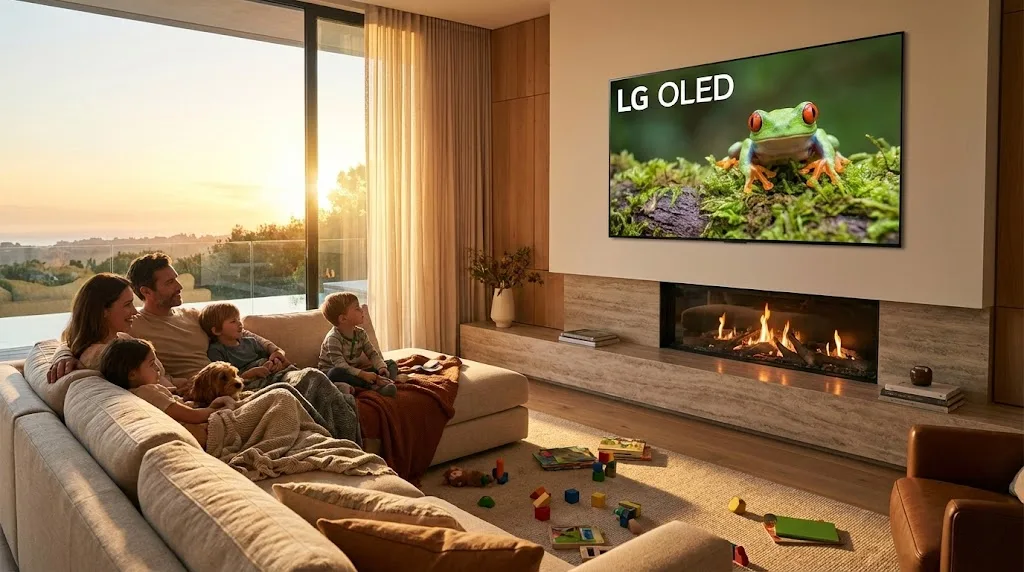
Mounting a TV above a fireplace can work if you plan it right. Check wall temperature after 30–60 minutes of fireplace use—if it’s too hot to touch, you need a heat shield. Use a tilting mount, keep the TV at least 12 inches above the firebox, and plan cable management before drilling. Always check your TV’s manual first.
You’ve rearranged the living room furniture three times. You keep staring at that big, blank wall above the fireplace. And the thought keeps coming back—what if the TV just went up there?
You’re not alone. Mounting a TV above a fireplace is one of the most popular design choices in modern homes. It creates a clean focal point, frees up floor space, and puts both the fire and the screen in one central spot. But before you grab the drill, there’s a lot to think about. Heat, neck strain, cable routing, and wall type all play a role in whether this setup works for your home—or ends up being a costly mistake.
This guide walks you through everything: the real benefits, the risks, how to do it safely, and what to do if it’s just not the right fit.
Why People Love This Setup

The appeal makes complete sense. In most living rooms, the fireplace already draws the eye. It’s usually centered on the main wall, and the furniture naturally faces it. Putting the TV in the same spot means everything comes together without forcing a redesign.
It aligns with the room’s main focal point, usually facing where the sofa is positioned, offering a view for everyone in the seating area. This setup also conserves valuable wall space, allowing for a more open and spacious living environment. For smaller rooms especially, that trade-off matters. You eliminate the need for a bulky TV stand or entertainment center, and the whole room opens up.
Mounting your TV high over your fireplace keeps it out of reach of pets and children, reducing the likelihood of your boisterous loved ones knocking it over and causing damage. That’s a practical bonus many parents and pet owners genuinely appreciate.
The Real Risks You Need to Know
Here’s where things get honest. Mounting a TV above a fireplace looks sharp, but it comes with two big problems: heat and viewing angle. Neither is impossible to solve, but both deserve serious attention.
Heat Is the Number One Concern
A gas fireplace can generate 20,000 to 35,000 British thermal units (BTUs) of heat per hour. To put that into perspective, it takes approximately 15,000 BTUs per hour to heat an entire 1,400-square-foot house during a typical New England winter. That’s a lot of heat rising toward your TV.
When TVs and similar devices are exposed to excessively high temperatures, they are susceptible to mechanical failure and may sustain lasting damage to their inner components. Extended heat exposure can cause dead pixels, shorten the life of the screen, and void your manufacturer warranty.
The risk level depends on what type of fireplace you have. Wood-burning fireplaces run the hottest and also produce smoke and soot that can clog your TV’s vents over time. Gas fireplaces generate significant heat but no soot. Electric fireplaces generally produce much less heat—some electric fireplaces are for ambience only and don’t produce any heat at all. Others produce a moderate amount—less than 5,000 BTUs per hour. Even that lower output can cause problems with prolonged use.
Before you do anything, run this simple test: run your fireplace for 30–60 minutes. Touch the wall above it. If it’s hot to the touch, it’s not a safe mounting spot for a TV without a heat shield or mantel deflector. You can also use a thermometer. If the temperature exceeds 90°F (32°C), consider using a heat shield or rethinking the placement.
Neck Strain Is a Real Problem
The recommended height for mounting a TV on a wall is generally at eye level when seated—roughly around 42–50 inches from the floor to the center of the screen. By mounting your TV above a fireplace, this sometimes skews the angle as you need to place the TV higher, which can make viewing uncomfortable for prolonged periods.
If you watch TV for an hour or two at a time, looking up at a steep angle will wear on your neck. Think about sitting in the front row of a movie theater. That’s roughly the experience, and it gets old fast.
How to Mount a TV Above a Fireplace Safely
If you’ve done the heat test and the wall stays cool enough, and you’re ready to move forward, here’s how to do it the right way.
Check Your Wall Type First
The material behind your fireplace wall changes everything. Drywall over wood studs is the easiest to work with—you can find studs with a standard stud finder and mount directly into them. If you have brick above the fireplace, you technically can install a mount, but it requires masonry anchors and more careful planning. Brick and stone installations often need a professional, especially if you want to run cables through the wall cleanly.
Choose the Right TV Mount
Not all mounts work equally well above a fireplace. A fixed mount holds the TV flat against the wall—fine if the height is already close to eye level, but not ideal here. A tilting mount allows you to tilt the screen down, improving viewing angles when the TV is mounted high. It is ideal for a mounting-TV-above-fireplace scenario.
If you want maximum flexibility, a full-motion mount lets you pull the TV forward, swivel it sideways, and tilt it at the same time. There’s also the pull-down mount option. Brands like MantelMount make mounts that drop the TV down to eye level when you’re watching and tuck it back up out of the way when you’re done. They run higher in price but solve both the viewing angle problem and the heat issue at once.
Get the Height Right
The average height for the TV is typically 7 inches from the top of the mantel to the bottom of the monitor. The minimum mantel height from the top of the fireplace viewing area is 12 inches, for a total minimum of 19 inches to the bottom of the TV. That gap is there to protect your screen from the heat rising directly from the firebox. Don’t shrink it to make the TV look lower—the clearance matters.
Install a Heat Shield If Needed
If your wall temperature is borderline, a heat shield or mantel deflector gives you an extra layer of protection. A deep, properly constructed mantel acts as a physical barrier that redirects rising hot air away from the TV. Some mounts are designed specifically for fireplace installs and include built-in ventilation. These are worth the extra investment if your fireplace sees regular use.
Solving the Cable Problem
Cable management is one of the most frustrating parts of this type of installation. Without furniture directly below the TV, every wire has a long visible path to travel—and messy cables completely ruin the clean look you’re going for.
The cleanest solution is running cables inside the wall. If you live in a newer house and your basement is unfinished, wires can be fished from the wall above the fireplace, down to the basement, and then back up to the main floor through a wall and out near where your components will be placed. This takes more effort but leaves zero visible wires.
If in-wall routing isn’t possible—for example, if you have a brick fireplace—cable raceways hide wires along the wall. You can also install in-wall cable kits for a cleaner look, or consider wireless HDMI options to reduce visible cords. Paint the raceway to match your wall color and most people won’t notice it at all.
What Type of Fireplace Makes This Easiest?
Electric fireplaces win here, hands down. They produce the least heat, and many are designed with TV mounting in mind. Some freestanding electric fireplaces are designed for the very purpose of positioning a TV on top of a shelf built over the firebox. If you’re still in the planning phase of your fireplace choice, going electric gives you the most flexibility.
Gas fireplaces sit in the middle. The heat output is significant, but manageable with the right setup—proper clearance, a good mantel, and a tilting mount go a long way. Wood-burning fireplaces present the most challenges due to heat, soot, and smoke, so they require the most protective measures.
When to Skip It and Try Something Else
Sometimes the honest answer is: this spot isn’t the right one. Placing your TV so high, and above a heat source, can not only seriously decrease its picture quality, but it can also shorten the life of your TV, as well as lead to possible physical pain.
If your fireplace runs hot, if your seating is close to the wall, or if you watch TV for long stretches every day, mounting above the fireplace will likely frustrate you over time. Consider mounting on an adjacent wall instead, or building a custom nook with shelving and cabinetry that puts the TV at a comfortable height while keeping the fireplace as its own feature.
Before You Start: A Quick Checklist
Run the heat test—30 to 60 minutes with the fireplace on, then feel the wall. Check your wall material and locate your studs before buying any mount. Measure the height from the firebox to your planned TV position and confirm it meets the minimum 19-inch clearance. Choose a tilting or full-motion mount. Plan your cable routing before you drill a single hole. And if you have any doubts about the structural integrity of the wall or the heat situation, call a professional installer to assess it first.
Mounting a TV above a fireplace can be both stylish and space-saving, but it requires careful planning to avoid heat damage and ensure comfortable viewing. By following these tips and considering professional help when needed, you can enjoy a safe and visually appealing setup.
Done right, this setup can look genuinely great and function well for years. Done wrong, it’s an expensive lesson. Take your time, do the checks, and you’ll know exactly whether it works for your home before you make any permanent decisions.
Comments are closed.