
Water bugs often invade homes seeking moisture and shelter. Stop them by sealing entry points, fixing leaks, reducing moisture, using boric acid or diatomaceous earth, and maintaining cleanliness.
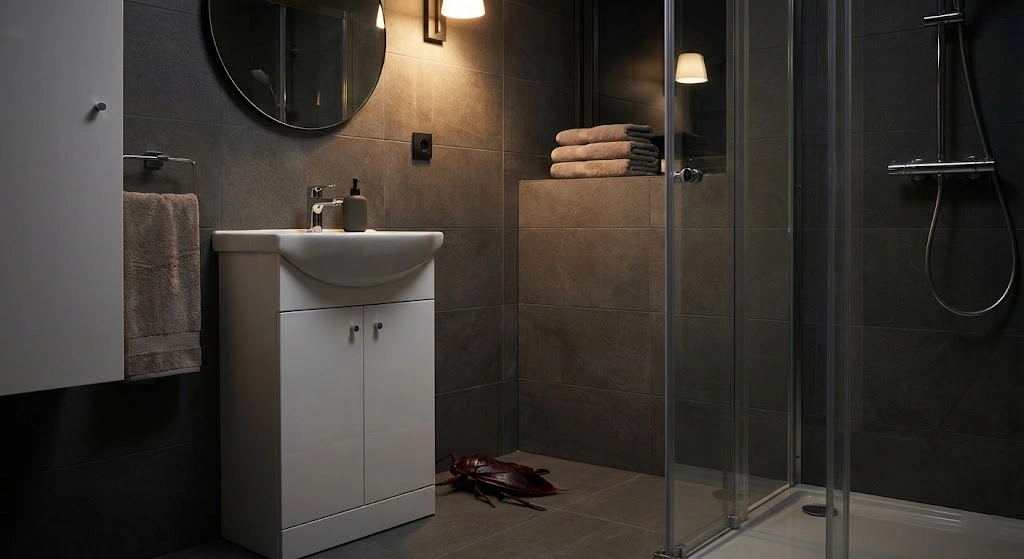
You flip on the bathroom light at 2 AM and freeze. A large, dark insect scurries across the floor and disappears behind the sink. Your heart races. Was that a cockroach? A water bug? And more importantly—how do you make sure it never comes back?
If you’ve spotted these unwelcome visitors in your home, you’re not alone. Thousands of homeowners deal with water bug problems every year. The good news? You can get rid of them for good with the right approach.
Understanding What You’re Dealing With

Before you start spraying chemicals everywhere, you need to know what you’re fighting. Most people use “water bug” to describe large cockroaches they find in damp areas. True water bugs are aquatic insects that live in ponds and streams. They rarely enter homes.
When people report water bugs in their basements, they’re typically seeing Oriental cockroaches. These roaches earned the nickname because they love moisture and hang out near water sources. Some folks also call American cockroaches water bugs, especially in southern states.
Oriental cockroaches grow to about one inch long. They’re dark brown or black with a shiny appearance. Unlike other roaches, they move slowly and can’t fly. You’ll find them in basements, under sinks, near drains, and in other damp spots.
Real water bugs look different. They’re typically brown or gray and can reach about 2 inches in length. They have paddle-like back legs for swimming and front legs that look like pincers. If you see one of these in your house, it’s lost—not infesting.
Why Water Bugs Invade Your Home

Water bugs (and the cockroaches called by that name) come inside for three simple reasons: water, food, and shelter. Your home offers all three in abundance.
Moisture attracts these pests like a magnet. Leaky pipes, standing water, and high humidity in basements or crawl spaces create perfect conditions. They need water to survive, so they seek out the dampest areas of your house.
Food sources matter too. Roaches aren’t picky eaters. They’ll feast on crumbs, pet food, grease, food particles in drains, and even cardboard or paper. Your kitchen and bathroom provide endless buffet options.
Weather drives them indoors as well. During hot, dry spells, they search for moisture. When temperatures drop, they need warmth. Heavy rains can flood their outdoor homes, sending them scrambling for dry shelter—your basement.
Dark, hidden spaces give them safe places to hide during the day. Clutter, storage areas, gaps behind appliances, and cracks in walls all serve as perfect hideouts. The more clutter you have, the more places they can nest undisturbed.
Sealing Entry Points

Your first line of defense is keeping water bugs out. These pests can squeeze through surprisingly small gaps. Walk around your home and look for potential entry points.
Check your doors carefully. Even small gaps under doors let water bugs waltz right in. Install weatherstripping to close these gaps. Door sweeps work great for exterior doors. Make sure the fit is tight with no daylight showing underneath.
Examine your windows next. Torn screens need repair or replacement. Check the caulking around window frames. If it’s cracked or missing, water bugs can get through. Apply fresh caulk to seal any openings.
Look at where pipes and utilities enter your house. Water bugs love these entry points. Seal all possible entry points with silicone-based caulk, paying close attention to cracks around pipes and utility lines. Don’t forget dryer vents, cable lines, and air conditioning units.
Inspect your foundation and exterior walls. Cracks in concrete or brick give pests easy access. Fill these cracks with appropriate sealant. Check the mortar between bricks and repair any gaps.
Basement windows and vents often get overlooked. Make sure screens are intact. Cover vents with fine mesh that allows airflow but blocks insects. This small step prevents many infestations before they start.
Eliminating Moisture Problems

Water bugs can’t thrive without moisture. Take away their water source and you’ll force them to leave or die.
Fix all leaks immediately. That dripping faucet or slow pipe leak under your sink provides the water these pests need. Check under sinks, around toilets, and near water heaters for any signs of moisture. Tighten connections or replace worn washers.
Use dehumidifiers in basements or crawl spaces to reduce moisture. These areas often have humidity levels above 50 percent, which water bugs love. Run a dehumidifier to keep humidity below 50 percent. Empty it regularly so it keeps working.
Improve ventilation in damp areas. Install exhaust fans in bathrooms if you don’t have them. Run the fan during showers and for 20 minutes after. This removes excess moisture before it can create problems.
Clean your gutters and downspouts twice a year. Clogged gutters overflow and create moisture problems near your foundation. Water bugs living outside will follow this moisture trail right to your house. Make sure downspouts direct water at least six feet away from your foundation.
Check your crawl space if you have one. Standing water down there is a major problem. Install a sump pump if needed. Consider adding a vapor barrier to the ground to prevent moisture from rising.
Natural Remedies That Work
Many homeowners prefer natural solutions before trying harsh chemicals. Several home remedies can kill or repel water bugs effectively.
Boric acid is one of the most effective natural treatments. Mix equal parts baking soda and sugar, then place small amounts in shallow dishes near bug pathways. The sugar attracts them while the baking soda kills them. For boric acid, use three parts boric acid to one part powdered sugar. Place this mixture where you’ve seen bugs, but keep it away from children and pets.
Diatomaceous earth offers another natural option. This powder comes from fossilized algae. The substance cuts through insects’ exoskeletons, causing dehydration and death. Sprinkle food-grade diatomaceous earth along baseboards, behind appliances, and in cracks where water bugs travel. Keep it dry for best results. Reapply after cleaning.
Essential oils can repel water bugs naturally. Mix water with peppermint or eucalyptus essential oils in a spray bottle. Spray this around entry points, in corners, and where you’ve seen bugs. The strong scent drives them away. You can also soak cotton balls in peppermint oil and place them in cabinets or near potential entry spots.
Vinegar works as both a cleaner and repellent. Mix equal parts white vinegar and water. Spray this solution on counters, floors, and areas where water bugs might travel. The smell repels them while the acidity makes surfaces less appealing. Clean with this mixture regularly for ongoing protection.
Deep Cleaning Your Home
A clean house makes a poor home for water bugs. Regular, thorough cleaning removes their food sources and hiding spots.
Remove food debris that attracts water bugs through regular cleaning. Sweep and vacuum floors daily, especially in the kitchen. Don’t forget corners, under appliances, and along baseboards where crumbs accumulate. Empty your vacuum bag or canister outside immediately.
Clean your kitchen thoroughly. Wipe down counters after every meal. Wash dishes right away instead of letting them sit in the sink overnight. Clean behind and under your stove and refrigerator where grease and food particles build up. These hidden areas attract water bugs.
Take out your garbage every night. Food waste in the kitchen trash can draws pests. Use trash cans with tight-fitting lids. Clean the inside of trash cans weekly to remove residue that creates odors.
Clean drains regularly. Kitchen and bathroom drains harbor food particles, grease, and organic matter. Pour boiling water down drains weekly to flush out debris. Use a drain brush monthly to scrub the sides. For stubborn buildup, use baking soda and vinegar.
Get rid of clutter where bugs can hide. Water bugs love hiding in stacks of newspapers, cardboard boxes, and storage piles. Go through your basement, garage, and storage areas. Throw out what you don’t need. Store items you’re keeping in sealed plastic containers instead of cardboard boxes.
Using Chemical Treatments Safely
Sometimes natural methods aren’t enough. Chemical treatments can provide faster, stronger results for serious infestations.
Bait stations work well for indoor use. Place these near water sources, under sinks, and along walls where water bugs travel. The bugs eat the bait and carry it back to their hiding spots, killing others. Replace stations according to package directions.
Insecticide sprays offer quick knockdown of visible bugs. Look for products specifically labeled for cockroaches or water bugs. Spray along baseboards, in cracks, behind appliances, and other hiding spots. Follow all safety instructions carefully. Keep children and pets away from treated areas until dry.
Gel baits provide targeted treatment. Apply small dots of gel in cracks, crevices, and areas where water bugs hide. The bugs eat the gel and die. This method works well in hard-to-reach spaces that sprays can’t penetrate.
Treat the exterior of your home too. Spray a barrier treatment around your foundation, near doors and windows, and along the garage. This creates a protective zone that kills bugs before they get inside. Reapply after heavy rain.
Always read and follow label directions when using any pesticide. Wear gloves and work in well-ventilated areas. Store chemicals safely away from children and pets. If you’re pregnant, have young children, or have health concerns, consider hiring a professional instead.
When to Call a Professional
Some water bug problems need expert help. Knowing when to call in the pros saves you time, money, and frustration.
Call an exterminator if you see water bugs daily despite your efforts. This indicates a large infestation that’s beyond DIY control. Professionals have access to stronger treatments and specialized equipment you can’t buy at the store.
Multiple rooms with bugs mean the problem has spread. If you’re finding water bugs in different areas of your house, the infestation is serious. Professionals can identify all hiding spots and treat your entire home systematically.
If you have health concerns, let the experts handle it. Pregnant women, people with respiratory issues, and homes with young children should avoid pesticide exposure. Professional pest control companies use targeted treatments and safety protocols.
Recurring problems need professional diagnosis. If bugs keep coming back no matter what you do, there’s likely an underlying issue you’re missing. Pest control experts can identify entry points, moisture problems, or other factors you haven’t noticed.
Look for licensed pest control companies with good reviews. Ask about their treatment methods and whether they offer guarantees. Many companies provide year-round protection plans that include regular inspections and treatments.
Preventing Future Infestations
Once you’ve eliminated water bugs, keep them out with ongoing prevention efforts.
Maintain your home regularly. Fix new leaks as soon as they appear. Keep gutters clean. Check weatherstripping and caulking annually and repair any damage. These simple maintenance tasks prevent problems before they start.
Stay vigilant about cleanliness. Don’t let dishes pile up. Take out garbage regularly. Sweep and vacuum consistently. A clean home remains unattractive to water bugs.
Monitor problem areas monthly. Check under sinks, in basements, and other moisture-prone spots. Look for signs of water bugs like droppings, egg cases, or the bugs themselves. Catching problems early makes them easier to solve.
Store food properly. Keep pantry items in airtight containers. Don’t leave pet food out overnight. Clean up spills immediately. Removing food sources stops water bugs from sticking around.
Consider seasonal treatments. Many pest control companies offer quarterly service plans. They’ll inspect and treat your home before peak bug seasons. This proactive approach prevents infestations before they happen.
Final Thoughts
Getting rid of water bugs takes effort, but success is absolutely possible. Start with prevention—seal entry points and fix moisture problems. Use natural remedies for minor issues or chemical treatments for serious infestations. Keep your home clean and dry.
Remember that consistency matters more than any single treatment. The homeowners who succeed are those who make pest prevention part of their regular routine. Check for leaks monthly. Clean thoroughly every week. Address problems immediately when you spot them.
You don’t have to live with water bugs in your home. Take action today, stay persistent, and you’ll enjoy a pest-free house for years to come.


Comments are closed.