
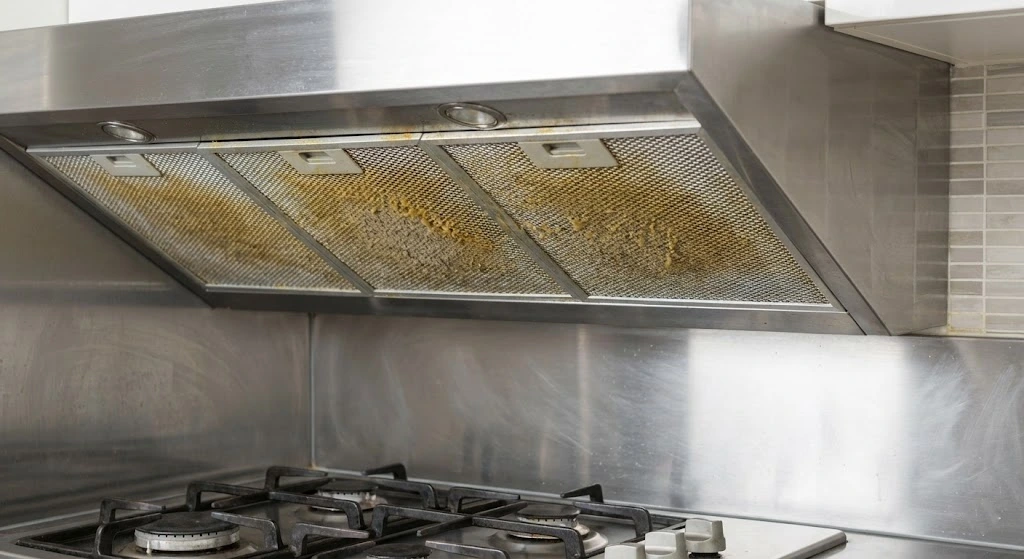
Clean your greasy range hood filter by soaking it in hot water with dish soap and baking soda for 15-20 minutes, then scrub gently and rinse. This simple method removes buildup and keeps your kitchen air fresh.
When was the last time you looked at your range hood filter? If you’re like most people, it’s been a while. That little metal screen sitting above your stove does important work—it traps all the grease, smoke, and food particles that float up while you cook. Over time, though, it gets clogged with a thick layer of gunk that makes it less effective.
A dirty filter can affect your kitchen’s air quality and even become a fire hazard in worst-case situations. The good news is that cleaning it takes less than an hour and requires stuff you already have in your kitchen. Let’s walk through exactly how to get that filter looking almost new again.
Why Your Filter Gets So Gross

Your range hood filter sits right above your cooking surface for one simple reason: to catch grease before it spreads throughout your kitchen. Every time you fry chicken, sear a steak, or stir-fry vegetables, tiny grease particles rise with the steam and smoke. The filter’s job is to trap those particles.
The purpose of a range hood filter is to collect grease, so if it’s doing its job correctly, it’s going to look and feel greasy. That sticky, dark coating you see isn’t dirt—it’s months of accumulated cooking oil and food residue. The more you cook, especially if you fry foods often or use high heat, the faster this buildup happens.
A clogged filter doesn’t just look bad. It stops working properly. Instead of pulling smoke and odors out of your kitchen, a dirty filter lets them recirculate back into your space. That’s why your kitchen might smell like last night’s dinner even after you’ve wiped down the counters.
What Happens If You Skip Cleaning
Ignoring your range hood filter creates several problems that get worse over time. First, your kitchen stays smokier and smellier during cooking. The filter can’t do its job when it’s blocked with grease, so all those cooking fumes just hang around in the air.
Grease buildup can reduce airflow efficiency, create unpleasant odors, and pose a fire hazard due to excessive grease accumulation. That last part is the scary one. Grease is highly flammable. When you cook at high temperatures with a filter full of built-up grease, you’re creating a potential fire risk.
Your range hood also has to work harder when the filter is dirty. The fan motor runs longer and uses more electricity trying to push air through a blocked filter. This extra strain wears out your hood faster and drives up your energy bills. Regular cleaning actually saves you money in the long run by keeping everything running smoothly.
How Often Should You Clean It
The cleaning schedule depends on how much you cook. Clean your range hood filters every 2 to 3 months as a general rule. If you cook daily or do a lot of frying, bump that up to once a month. Light cooks who use their stove occasionally can probably stretch it to every three months.
You should always clean your filters after a major cooking event like a dinner party or holiday feast. Those big meals with multiple dishes create a lot of grease quickly. Trust me, cleaning the filter right after Thanksgiving dinner is much easier than dealing with months of additional buildup on top of that.
Watch for visual clues too. If you can see grease accumulation on the filter, it’s time for a cleaning. If your range hood sounds louder than usual or doesn’t clear smoke as well as it used to, the filter probably needs attention.
Check Your Filter Type First
Before you start cleaning, pull out your filter and take a look at it. Most homes have one of two types: metal mesh filters or charcoal filters. The difference matters because you can clean metal but not charcoal.
Metal mesh filters are the most common in homes with ducted range hoods. They’re made of aluminum or stainless steel and look like layers of thin metal screening. These filters can be washed repeatedly and should last for years with proper care.
Charcoal filters are usually found in ductless range hoods and help absorb odors, but they cannot be cleaned—once they’re saturated, they need to be replaced. These filters are solid black and feel different from metal mesh. If you have charcoal filters, you’ll need to buy replacements every three to six months rather than cleaning them.
What You’ll Need
Gather these supplies before you start. You probably have most of them already:
Hot water from your tap or kettle. The hotter, the better, since heat helps dissolve grease. Fill your sink or a large pot with enough water to submerge the filter completely.
Dish soap that cuts grease. Brands designed for greasy dishes work best. You’ll need about a tablespoon or two depending on how dirty your filter is.
Baking soda. This kitchen staple works wonders on grease. You’ll use about a quarter cup for the cleaning solution.
A soft brush or sponge. Something with gentle bristles works well. Avoid steel wool or harsh scrubbers that might damage the metal mesh.
Paper towels or a clean dish cloth for drying. You’ll want the filter completely dry before putting it back in the hood.
The Basic Cleaning Method
Start by removing the filter from your range hood. Most filters slide out easily or have a simple latch system. Most filters should easily slide or pop out of the underside of the hood. Make sure your hood is turned off and cool before you touch anything.
Fill your sink with the hottest water your tap provides. If your filter is large and won’t fit in the sink, use your bathtub or a large plastic tub instead. Add a generous squirt of dish soap and sprinkle in about a quarter cup of baking soda. Swirl everything together until the baking soda dissolves.
Submerge your greasy exhaust fan filters into the water, making sure they’re completely covered. Let them soak for at least 15 to 20 minutes. Don’t rush this step—the soaking time is when the cleaning solution breaks down the grease. For really dirty filters, you can soak them for up to 30 minutes.
While the filter soaks, take a moment to wipe down the range hood itself. The underside of the hood also collects grease and grime. A soapy sponge works well for this. You want the whole area clean so you’re not putting a fresh filter back into a dirty hood.
The Boiling Water Method for Tough Grease
If your filter hasn’t been cleaned in months or years, basic soaking might not be enough. The boiling water method works better for heavy buildup. This approach uses heat to really break down stubborn grease.
Mix one part baking soda with three parts hot water in a shallow dish or baking sheet, then soak the filter for 15 to 20 minutes. Some people prefer to bring a pot of water to a boil on the stove, then slowly add baking soda a tablespoon at a time. The water will fizz up as you add the baking soda, so go slowly to avoid overflow.
Place your filter in the pot and let it simmer for about 15 minutes. Place the filter into the water for around 15 minutes as the grease floats to the top. You’ll actually see the grease separating from the filter and floating on the water’s surface. It’s pretty satisfying to watch.
Use tongs to remove the hot filter from the pot. Be careful—both the water and the filter will be very hot. Set it in your sink and let it cool for a few minutes before handling it.
Scrubbing and Rinsing
After soaking, most of the grease should be loosened. Now you need to scrub away what’s left. Take a non-abrasive scrub brush and scrub the filters, adding more dish soap to your brush if required while you scrub.
Work gently but thoroughly. Pay attention to both sides of the filter and get into all the little spaces in the mesh. If you have a stainless steel filter, scrub in the direction of the metal’s grain. This keeps the finish looking smooth and prevents scratches.
Rinse the filter under hot running water. Keep rinsing until the water runs clear and you don’t see any soap bubbles or grease residue. This step is important—any leftover soap or grease will just attract more dirt when you start cooking again.
Drying and Reinstalling
Shake off excess water from the filter. You can dry it with paper towels or a clean dish cloth to speed things up. Better yet, let it air dry completely. Air-dry the filter or dry it with a microfiber cloth before placing it back into your range hood.
The filter needs to be completely dry before you reinstall it. Any moisture trapped in the mesh can lead to problems. Once it’s dry, slide it back into place in your range hood. It should click or lock into position just like it did when you removed it.
Test your range hood to make sure everything works properly. Turn it on and listen for normal operation. The airflow should feel stronger now that the filter is clean.
Using Your Dishwasher
Many metal filters are dishwasher safe, which makes regular maintenance even easier. The quickest and easiest way to clean your range hood baffle filters is to place them in the dishwasher. Check your range hood’s manual to confirm your specific filter can go in the dishwasher.
If yours is dishwasher safe, place the filter on the bottom rack. Run it through a normal cycle with your regular detergent. Don’t put other dishes in with the filter during this wash—you don’t want grease transferring to your plates and glasses.
The dishwasher method works great for monthly maintenance cleanings. For filters with heavy buildup, hand washing with the soaking method works better for the first deep clean. After that, monthly dishwasher runs keep everything clean.
What to Avoid
Skip the harsh chemicals and abrasive tools. Avoid using coarse scouring tools such as steel wool or brillo pads as they can damage the finish. These rough scrubbers scratch the metal and ruin the filter’s finish. They can also tear the mesh in some cases.
Bleach and ammonia-based cleaners are also bad choices. These chemicals can corrode metal and create harmful fumes. Stick with gentle dish soap and baking soda—they’re safe, effective, and you probably already have them.
Don’t put a wet filter back in the hood. Moisture promotes rust and can damage your range hood’s internal components. Always make sure the filter is bone dry before reinstalling it.
Making It a Habit
Set a reminder on your phone or mark your calendar to check your filter monthly. Regular cleaning prevents heavy buildup from forming in the first place. Once you’ve done the initial deep clean, monthly maintenance takes just minutes.
If you cook frequently, especially with oil and high heat, check your filter every couple of weeks. A quick visual inspection tells you whether it needs cleaning sooner than scheduled. Don’t wait until you can see thick grease or notice reduced airflow.
Your range hood filter works hard to keep your kitchen air clean. Taking care of it with regular cleaning protects your investment and keeps your kitchen safer. The whole process takes less than an hour, and you’ll immediately notice the difference in how well your range hood performs.
Clean filters mean better air quality in your home, fewer lingering cooking smells, and reduced fire risk. Plus, you’ll extend the life of your range hood by preventing grease from building up inside the unit. A little regular maintenance now saves you from bigger problems down the road.


Comments are closed.