
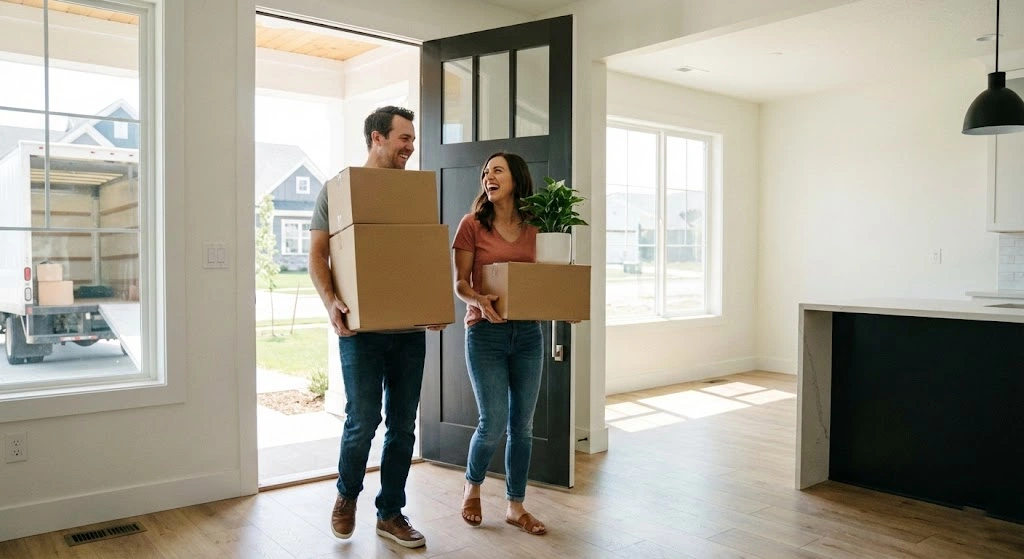
A move-in checklist for a house documents property condition, sets up utilities, ensures safety measures, and helps homeowners organize tasks before, during, and after moving. It protects both renters and buyers from disputes while making the transition smooth.
Moving into a new house should feel exciting, not overwhelming. You’ve signed the papers, got the keys, and now you’re ready to make this space your own. But between unpacking boxes and figuring out where everything goes, it’s easy to forget the critical tasks that make your house truly livable and safe.
A proper move-in checklist keeps you organized and protects your investment. Whether you’re buying your first home or renting a new place, knowing what to tackle first saves you headaches down the road. Let’s walk through everything you need to know about creating and using a move-in checklist that actually works.
Understanding What a Move-in Checklist House Really Does

Think of your move-in checklist as your personal roadmap for the transition period. This detailed document records the condition of a rental property or purchased home at the start of occupancy, typically including items such as walls, floors, appliances, plumbing, and fixtures, with space for notes on any existing damage or issues.
The checklist serves different purposes depending on your situation. For renters, it protects your security deposit by documenting pre-existing damage you didn’t cause. For homeowners, it creates a baseline record of your property’s condition and helps you prioritize repairs and improvements. Either way, you’re building a paper trail that could save you thousands of dollars in disputed charges or insurance claims later.
Most people don’t realize how many details slip through the cracks during a move. You’re tired, distracted, and eager to get settled. That’s exactly when you need a systematic approach to make sure nothing important gets missed.
Getting Your Utilities Connected Before Move-in Day
Nothing kills the excitement of a new house faster than arriving to find you have no power, no water, or no internet. Contact gas, electric and water providers in your area to set the day before your move-in date as the day of activation. This gives you a safety buffer in case there are any delays or issues with the transfer.
Start making these calls at least two to three weeks before your move-in date. Some cities take longer to process utility transfers, and you don’t want to be caught waiting. Get the names and contact information for all utility providers from your seller or landlord during the closing process.
Beyond the basics of water, gas, and electricity, don’t forget about internet and cable service. These typically require installation appointments, so schedule them early. Many providers get booked up weeks in advance, especially during peak moving season in summer months.
Set up trash and recycling service right away too. Find out the pickup schedule and any special requirements for bulk items. Some neighborhoods require you to purchase specific bins or follow strict sorting rules, so get this information early to avoid any fines or missed pickups.
Securing Your New Home Immediately
The first thing you should do when you’re getting ready to move in is change the locks, garage codes and access to any other entry points. You have no idea how many copies of your house keys exist or who might have them. Previous owners, their relatives, contractors, real estate agents, and neighbors could all potentially have access.
Hiring a locksmith costs between $100 and $300 for a typical house, but you can do it yourself if you’re handy with tools. Either way, make this a priority before you move any belongings inside. Change locks on all exterior doors, including side doors, basement entries, and garage access points.
If your house came with a security system, contact the provider immediately to transfer service to your name or choose a new company. Many systems need reprogramming after ownership changes. Test everything to make sure it works properly, and update any access codes or passwords to something only you know.
Smart home security has become more affordable in recent years. Simple additions like a video doorbell or outdoor cameras give you peace of mind and might even qualify you for a discount on your homeowners insurance policy.
Conducting a Thorough Property Inspection
Landlords and tenants should be meticulous when completing and assessing move-in checklists, focusing on inspecting flooring and carpets, walls and ceilings, doors, windows, plumbing fixtures, and all appliances. Walk through every room with a critical eye, taking notes and photos as you go.
For floors, look for stains, cracks, scratches, and damaged tiles or boards. Check carpets carefully for discoloration, fraying, moisture damage, or grease stains that could become your responsibility if not documented. Run your hands along walls and ceilings checking for scuffs, cracks, peeling paint, or water stains that might indicate leaks.
Test every door to make sure it opens and closes properly without sticking. Check all locks, doorknobs, and handles for proper function. Sliding doors need special attention—verify that tracks are clean and doors glide smoothly without catching.
Windows deserve the same scrutiny. Open and close each one to confirm they work correctly. Look for cracked panes, broken seals, or damaged screens. Check that locks engage properly for security. These details matter because window repairs can be expensive.
The kitchen requires extra attention since it gets heavy daily use. In addition to walls, light fixtures, flooring, and ceilings, create places for kitchen specific items including countertops, cabinets, sink, drain, garbage disposal, backsplash, drawers, appliances, outlets, light fixtures, and built-in shelves. Turn on every appliance to verify it works. Check the refrigerator temperature, run the dishwasher through a cycle, test all stove burners, and make sure the oven heats properly.
Bathrooms need thorough inspection too. Turn on faucets and showers to check water pressure and drainage. Flush toilets multiple times to ensure proper function. Look under sinks for any signs of leaks or water damage. Check tile grout for cracks or missing sections that could let moisture seep through.
Finding Critical Home Systems and Features
Before you’re fully moved in, take time to locate essential systems you’ll need in an emergency. Find your circuit breaker panel and label which breakers control which rooms or appliances. This saves you from fumbling around in the dark during a power outage.
Locate the main water shut-off valve so you can quickly stop water flow if a pipe bursts or a toilet overflows. Some houses have individual shut-off valves for sinks, toilets, and washing machines too—find and label these for easy access.
Your water heater needs attention as well. Check the temperature setting and make sure you know where it’s located. If it’s gas-powered, locate the gas shut-off valve in case you ever smell gas and need to cut the supply quickly.
Check all smoke detectors and carbon monoxide detectors to make sure they work properly. Replace batteries even if they seem fine—fresh batteries give you peace of mind. Install additional detectors if your house doesn’t have enough coverage, especially near bedrooms and on every floor.
Deep Cleaning Before Unpacking
Deep clean your new home before unpacking to remove any allergens and dust that could affect your health, focusing on high-touch areas such as doorknobs and light switches, which can harbor germs. Even if the previous occupants cleaned, doing your own thorough cleaning helps you start fresh.
Kitchen appliances need thorough cleaning inside and out to ensure food safety and hygiene. Wipe down all cabinets inside before putting away dishes and food. Clean the refrigerator, oven, and dishwasher even if they look clean—you don’t know what bacteria might be lurking.
Bathrooms require sanitizing before use. Scrub toilets, sinks, showers, and tubs with disinfectant. Clean mirrors and wipe down all surfaces. Don’t forget less obvious spots like light switches, cabinet handles, and toilet flush handles that previous occupants touched daily.
Floors throughout the house deserve attention whether they’re carpet, hardwood, tile, or vinyl. Vacuum carpets thoroughly or hire professional carpet cleaning if needed. Mop hard surfaces with appropriate cleaners for each floor type. Clean baseboards and corners where dust accumulates.
Organizing Your Unpacking Strategy
The unpacking process feels less overwhelming when you tackle it room by room with a clear plan. Start with essentials you’ll need the first night—toiletries, medications, changes of clothes, phone chargers, and basic kitchen items for simple meals.
Set up your bedroom first so you have a comfortable place to sleep after a long moving day. Make the bed, hang clothes you’ll wear immediately, and arrange any furniture. Having one completed room gives you a sense of accomplishment and a retreat from the chaos.
Move to the bathroom next, unpacking towels, toilet paper, soap, and other necessities. Then tackle the kitchen, focusing on items you use daily rather than trying to organize everything perfectly right away. Get dishes, glasses, silverware, pots, pans, and basic cooking utensils situated so you can prepare meals.
Living areas can wait until you’ve handled the essentials. Take your time arranging furniture and deciding where things should go. You might discover better layouts after living in the space for a few days.
Updating Your Address and Important Documents
Forward your mail through the post office starting before your move-in date to make sure you don’t miss important correspondence. The process takes a few days to go into effect, so don’t wait until the last minute.
Update your address with banks, credit card companies, insurance providers, and any subscription services. Create a list of every company that sends you mail and work through it systematically. Missing updates to places like your auto insurance or driver’s license could cause legal problems.
Register to vote at your new address and update your vehicle registration with the Department of Motor Vehicles. You’ll need proof of residence like a utility bill or lease agreement. Some states give you a specific timeframe to update your registration after moving, so check local requirements.
Notify your employer of your address change for payroll and tax purposes. Update your information with any professional organizations, alumni associations, or membership clubs you belong to. The more thorough you are now, the fewer surprises you’ll face later when important documents go to the wrong address.
Creating a Home Maintenance Schedule
The key to preserving the longevity of your new home is maintaining it through tasks like changing HVAC filters or rotating your ceiling fans. Start a maintenance schedule right away so you don’t forget critical tasks.
Monthly maintenance includes checking HVAC filters and replacing them if needed, testing smoke and carbon monoxide detectors, and inspecting under sinks for leaks. These quick checks prevent small problems from becoming expensive repairs.
Seasonal tasks vary throughout the year. Spring might mean cleaning gutters and checking your roof for winter damage. Summer focuses on air conditioning maintenance and outdoor work like trimming trees away from power lines. Fall preparation includes winterizing outdoor faucets and servicing your heating system. Winter requires monitoring for ice dams and keeping walkways clear.
Annual maintenance covers bigger jobs like having your HVAC system professionally serviced, cleaning the dryer vent, flushing the water heater, and inspecting the foundation for cracks. Budget for these expenses so they don’t catch you off guard.
Meeting Your New Neighbors and Exploring the Area
Take time to introduce yourself to neighbors on either side of your house and across the street. They can provide valuable information about the neighborhood, recommend local service providers, and alert you to any quirks about your property the previous owners didn’t mention.
Explore your new community to find essential services nearby. Locate the closest grocery store, pharmacy, gas station, and hospital or urgent care center. Find out where the post office, library, and other frequently used public facilities are located.
Research local restaurants, coffee shops, and entertainment options. Discovering your new favorite spots helps you feel at home faster. Look into community events, farmers markets, or neighborhood associations where you can meet people and get involved.
Making Your House Feel Like Home
Moving in is just the beginning of making your new house truly yours. Take your time personalizing spaces with photos, artwork, and decorative touches that reflect your style. You don’t need to complete every room immediately—decorating gradually lets you live in the space and figure out what works best.
Consider which home improvements matter most to you and create a realistic timeline and budget. Maybe you want to paint certain rooms, update light fixtures, or tackle bigger projects like kitchen renovations. Prioritizing helps you avoid overspending and getting overwhelmed by too many projects at once.
Remember that settling into a new house takes time. Give yourself grace during the transition period and celebrate small victories as you complete each task on your checklist. Before you know it, your new house will feel like the home you always wanted.


Comments are closed.