
Have you ever sat at home wearing a thick sweater, warm socks, and maybe even a hat, yet still felt cold? You turn the heating up, but all you can think about is how high your next energy bill will be.
You are not alone.
Across the UK, many households are struggling with rising energy costs. Heating and electricity bills now take a big bite out of monthly budgets. For people living in older homes, this problem feels even worse.
But there is good news.
If you live in — or are thinking about buying — a new build home, your energy bills in 2026 could be much lower than you expect.
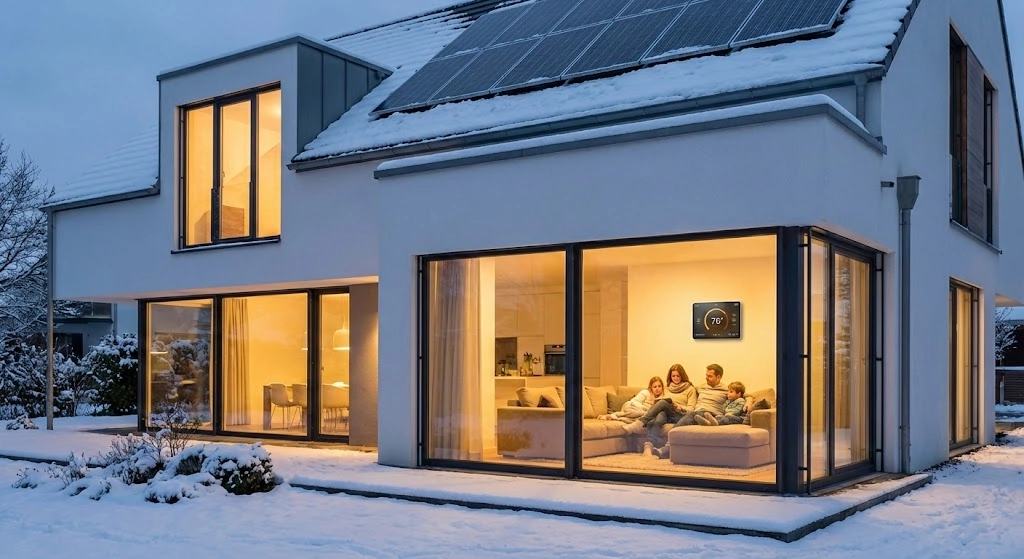
New build homes are designed to keep heat inside, reduce wasted energy, and use modern technology. This means they cost less to run, feel warmer in winter, and stay cooler in summer.
In this article, we will explore:
- How much money new build homes can save on energy bills
- Why new homes are more energy efficient
- How older homes compare
- The cost of upgrading an older home
- Extra benefits of buying a new build
Let’s look at the facts.
Why Energy Bills Are So High in Older Homes
Many homes in the UK were built decades ago. Some are over 100 years old. While these properties can be charming, they often have serious energy problems.
Older homes usually suffer from:
- Poor or missing insulation
- Drafty windows and doors
- Old boilers
- Inefficient heating systems
All of these issues allow heat to escape easily. When heat leaks out, your heating system has to work harder. That means more energy is used. And when more energy is used, bills go up.
Even if you try to be careful by turning lights off and lowering the thermostat, an inefficient home still wastes energy in the background.
This is why many people feel like they are paying just to stay warm.
What Makes New Build Homes Different
New build homes are constructed using modern building standards. These standards focus heavily on energy efficiency.
This means new homes are designed to:
- Keep heat inside
- Reduce energy loss
- Use cleaner and smarter technology
Most new build homes include:
- High-quality wall, roof, and floor insulation
- Double or triple-glazed windows
- Airtight construction
- Energy-efficient boilers or heat pumps
- Smart heating controls
Some new builds also come with:
- Solar panels
- EV (electric vehicle) charging points
- Underfloor heating
All these features work together to reduce the amount of energy needed to heat and power the home.
Simply put: new builds waste far less energy than older homes.
How Much Can You Save Each Year?
One of the biggest reasons people choose new build homes is the lower running costs.
On average, new build homes cost around 20–25% less to run than older properties.
Here is what that looks like in simple terms:
- New build home average energy cost per year: £1,550 – £1,600
- Older home average energy cost per year: £1,950 – £2,000
That means a typical household could save around £400 to £450 every year.
Over five years, that is more than £2,000 saved.
Over ten years, that becomes £4,000+ saved.
This is real money that stays in your pocket.
Bigger Savings for Very Inefficient Homes
Not all older homes are the same.
Homes are given an Energy Performance Certificate (EPC) rating from A (best) to G (worst).
Many older properties fall into the E, F, or G categories.
If you move from an F or G rated home into a new build, your savings can be even higher.
In many cases:
- Annual savings can reach £600 or more
- Energy use can drop by nearly half
For families currently living in poorly insulated homes, a new build can feel like a huge upgrade — not just in comfort, but in monthly costs.
You Pay an “Energy Premium” in Older Homes
Living in an older home often means paying extra just because the building wastes energy.
Experts estimate that households in older homes pay about 25–30% more on energy than people in new builds.
Think about that.
Two families could live in homes of similar size:
- Family A lives in a new build
- Family B lives in an older home
Family B may pay hundreds of pounds more every year for the same warmth and comfort.
This extra cost is sometimes called an energy premium — money you pay simply because your home is inefficient.
A new build removes much of that premium.
New Build Homes Are Warmer and More Comfortable
Saving money is important. But comfort matters too.
New build homes are designed to hold heat inside. This means:
- Fewer cold rooms
- Less need to constantly adjust the thermostat
- More even temperatures throughout the house
Many people notice they can set their heating lower and still feel warm.
This creates a more pleasant living environment, especially during winter.
No more wearing three jumpers indoors.
Lower Carbon Emissions: Better for the Planet
Energy efficiency is not only about money. It is also about the environment.
Homes produce carbon emissions when they burn gas or use electricity generated from fossil fuels.
New build homes produce far less carbon than older properties.
In many cases:
- New builds emit up to 70% less carbon than the least efficient homes
- Most new builds have EPC ratings of A or B
This means:
- Smaller carbon footprint
- Less environmental damage
- A more sustainable future
For homeowners who care about climate change, this is a major advantage.
Modern Heating Systems Save More Energy
Many new build homes use modern heating systems that are far more efficient than older boilers.
Common options include:
Air Source Heat Pumps
These systems take heat from outside air and use it to warm the home. They use electricity instead of gas and can be very efficient.
High-Efficiency Gas Boilers
When gas is used, new builds usually install the latest A-rated boilers, which waste far less fuel.
Smart Heating Controls
Smart thermostats allow you to:
- Set schedules
- Control heating from your phone
- Avoid heating empty rooms
These small changes can add up to big savings.
Solar Panels Can Cut Bills Even Further
Some new build homes come with solar panels already installed.
Solar panels:
- Generate electricity from sunlight
- Reduce how much power you buy from the grid
- Can lower electricity bills by hundreds per year
Even on cloudy days, panels still produce some energy.
Over time, solar panels can pay for themselves and continue saving money year after year.
The Cost of Upgrading an Older Home
You might wonder:
“Why not just upgrade my current home instead of moving?”
Upgrading can help, but it is often expensive.
To bring an older home up to modern energy standards, you may need:
- New insulation
- New windows and doors
- New heating system
- Possibly solar panels
The total cost can range from £20,000 to £80,000 or more, depending on the property.
For many homeowners, this level of investment is simply not possible.
A new build already includes these features in the purchase price.
Energy Efficiency and Property Value
Energy efficiency is becoming more important to buyers.
Homes with good EPC ratings are:
- Easier to sell
- More attractive to buyers
- Often worth more
Studies suggest that features like:
- Heat pumps
- Solar panels
- EV chargers
can increase a home’s value by around 5–6%.
So while you save money on bills, you may also benefit from stronger resale value.
Buying Schemes Make New Builds More Affordable
Many people assume new build homes are out of reach.
But there are several schemes designed to help buyers:
Shared Ownership
Buy a percentage of the home and pay rent on the rest.
Deposit Unlock
Buy with a smaller deposit.
Own New Rate Reducer
Get a lower mortgage rate for the first few years.
These schemes can make buying a new build more realistic for first-time buyers and growing families.
Lower Maintenance Costs
Older homes often come with hidden problems:
- Roof leaks
- Plumbing issues
- Electrical faults
New build homes usually include:
- Brand-new systems
- Modern materials
- Fewer repairs
Most also come with a 10-year structural warranty, giving peace of mind.
This means fewer surprise bills and less stress.
A Fresh Start and Personal Choice
When you move into a new build, everything is new.
No old carpets.
No outdated kitchens.
No mystery wiring.
Many developers let buyers choose:
- Kitchen units
- Flooring
- Tiles
- Paint colours
This allows you to create a home that suits your taste from day one.
Long-Term Savings Add Up
Let’s look at a simple example.
If you save £420 per year on energy:
- 5 years = £2,100
- 10 years = £4,200
- 20 years = £8,400
And that does not include:
- Lower maintenance costs
- Possible increase in property value
Over time, a new build can save tens of thousands of pounds.
Are New Builds Right for Everyone?
New builds are not perfect for every buyer.
Some people prefer:
- Period features
- Larger gardens
- Established neighbourhoods
But for those who value:
- Lower bills
- Warm homes
- Modern living
- Environmental benefits
New builds are a strong option.
Final Thoughts: Is a New Build Worth It in 2026?
With energy prices still high, the way we choose our homes matters more than ever.
A new build home in 2026 offers:
- Lower energy bills
- Greater comfort
- Reduced carbon emissions
- Modern technology
- Long-term financial benefits
While the upfront price may sometimes be higher, the ongoing savings can make a real difference.
If you are planning to move, it is worth considering not just the purchase price, but also the cost of living in the home.
A new build could be one of the smartest financial and lifestyle choices you make.


Comments are closed.