
Author

Michelle Hayes

Browsing

Maintaining your home’s plumbing system is essential for ensuring its longevity, efficiency, and functionality. A well-maintained plumbing system minimizes the risk of costly repairs, prevents water damage, and keeps your water supply clean. This article explores the comprehensive steps you can take to properly maintain your plumbing system.

Understanding the Importance of Plumbing Maintenance

The plumbing system is one of the most critical components of a home. It ensures the smooth flow of water and waste, regulates temperature, and supports daily activities like cooking, cleaning, and bathing. Neglecting plumbing maintenance can lead to leaks, clogs, burst pipes, and even structural damage to your home. Regular maintenance not only saves money but also protects your property from potential emergencies.

Regular Inspections for Leaks

One of the most common plumbing issues is leaks. Even small leaks can escalate into major problems if left unchecked. Regularly inspect faucets, showerheads, pipes, and valves for signs of dripping or moisture. Look for water stains on walls, ceilings, and floors as these may indicate hidden leaks. Checking your water meter can also help identify slow leaks—if the reading changes after a few hours without using water, you likely have a leak. Fixing leaks promptly prevents water wastage, mold growth, and high utility bills.

Keeping Drains Clean

Blocked drains can cause serious disruptions in your plumbing system. To prevent clogs, avoid disposing of grease, coffee grounds, food remnants, or hair down the sink or shower drains. Invest in drain screens or strainers to catch debris before it enters the pipes. Regularly clean drains using natural solutions like baking soda and vinegar or a commercial drain cleaner if necessary. For persistent clogs or slow drainage, consider professional snaking services.

Insulating Pipes for Temperature Control

Pipe insulation is crucial in areas prone to freezing temperatures. When water freezes inside pipes, it expands and may cause them to burst. Insulate exposed pipes in attics, crawl spaces, or near windows to prevent freezing during colder months. Insulation also helps maintain stable water temperatures and prevents condensation buildup that could lead to rust or corrosion.

Maintaining Your Water Heater

Your water heater plays a vital role in providing hot water for daily use. Over time, sediment can accumulate in the tank, reducing efficiency and lifespan. Drain your water heater annually to remove sediment buildup and ensure optimal performance. Check the pressure relief valve regularly and replace it if necessary. If you notice inconsistent heating or unusual noises from your heater, consult a plumber for inspection.

Monitoring Water Pressure

Water pressure that is too high or too low can strain your plumbing system. Low pressure slows down water flow while high pressure can damage pipes and fixtures over time. Test your water pressure using a gauge or measure the flow rate manually with a timer and bottle. If you experience issues like noisy pipes or dripping taps when turned off, you may need a pressure regulator installed by a professional plumber.

Using Water Softeners in Hard Water Areas

Hard water contains high levels of minerals like calcium and magnesium that can cause scale buildup in pipes and appliances over time. Installing a water softener reduces mineral content in the water supply, preventing clogs and extending the lifespan of your plumbing system. Softened water also improves cleaning efficiency for laundry and dishwashing.

Cleaning Sink Pipes Regularly

Sink pipes often accumulate debris such as hair, soap scum, food waste, and grease that can lead to blockages over time. Regular cleaning prevents slow drainage or complete clogs. Professional maintenance services can ensure thorough cleaning without damaging the pipes.

Servicing Boilers Annually

Your boiler is an integral part of your plumbing system that requires regular servicing for efficient operation. Schedule annual inspections during summer months when heating engineers are less busy to ensure it runs smoothly before winter arrives.

Testing Sump Pumps

If your home has a sump pump installed to prevent flooding in basements or crawl spaces, test it regularly to ensure proper functioning during heavy rains or snowmelt periods.

Preventing Tree Root Intrusion

Tree roots can invade underground pipes searching for moisture, causing blockages or pipe damage over time. To prevent this issue, avoid planting trees near sewer lines or install root barriers around vulnerable areas.

Leveraging Smart Technology

Modern technology offers innovative solutions for plumbing maintenance. Devices like Leakbot use thermal sensors to detect leaks early by monitoring temperature changes within pipes. These devices send real-time alerts to your smartphone so you can take prompt action before damage occurs.

Preparing for Emergencies

Knowing where your home’s stop valves are located is crucial during emergencies like burst pipes or major leaks. Test these valves annually to ensure they function properly when needed.

Scheduling Professional Inspections

Routine inspections by professional plumbers help identify potential issues before they become serious problems. Plumbers can check for hidden leaks, perform drain cleaning services, inspect septic systems (if applicable), and provide expert advice on maintaining your plumbing system effectively.

Conclusion

Proper maintenance of your home’s plumbing system requires consistent effort but yields significant benefits in terms of cost savings and peace of mind. By regularly inspecting for leaks, keeping drains clean, insulating pipes against temperature extremes, maintaining appliances like boilers and water heaters efficiently—and leveraging smart technology—you can ensure that your plumbing system remains functional and reliable for years to come.

Investing time in preventive measures not only avoids costly repairs but also enhances the overall quality of life within your home by providing uninterrupted access to clean water and efficient drainage systems—key components of modern living standards!

For more in-depth insights and the latest updates on the housing market, visit Housing Market News and stay informed about real estate trends, home improvement tips, and property news.

Straining paint is a crucial step in achieving a smooth, professional finish for your painting projects. Whether you’re a DIY enthusiast or a professional painter, understanding the importance of paint straining and mastering the technique can save you time, money, and frustration. This comprehensive guide will walk you through the process of straining paint, from understanding its benefits to executing the task effectively.

Why Strain Your Paint?

Before delving into the how-to, it’s essential to understand why straining paint is a valuable practice. Straining paint offers several benefits that contribute to a superior painting experience and outcome:

Better finish: By removing lumps and debris, straining ensures a smooth surface application. This step is particularly important for achieving a flawless, professional-looking result.

Tool protection: Straining prevents clogging of brushes, rollers, and spray equipment. This not only improves the application process but also extends the life of your painting tools.

Time saver: While it might seem like an extra step, straining paint can actually save time in the long run. By avoiding mid-project stops to clean clogged equipment, you can work more efficiently.

Cost-effective: Straining can help extend the life of older paint that might have developed dried bits over time. This practice allows you to salvage paint that might otherwise go to waste.

Professional results: Straining is a technique used by professionals to achieve high-quality finishes. By incorporating this step into your painting process, you can elevate the quality of your work to match professional standards.

Gathering Your Supplies

Before you begin the straining process, it’s crucial to have all necessary supplies on hand. This preparation ensures a smooth and uninterrupted workflow. Here’s what you’ll need:

Paint: Obviously, you’ll need the paint you intend to strain. This could be a fresh can or older paint that needs rejuvenation.

Strainer: Choose a strainer appropriate for your project. Options include bag strainers, cone strainers, and pump strainers. Each type has its advantages, which we’ll discuss later.

Clean buckets: You’ll need at least one clean bucket to catch the strained paint. Having a second bucket on hand can be useful for larger projects or as a backup.

Disposable gloves: Protect your hands from paint splatters and stains with a pair of disposable gloves.

Drop cloth or newspaper: Lay this down to protect your work surface from potential spills or drips.

Paint stick: You’ll need this for stirring the paint before straining.

Preparing Your Paint

Before you start straining, it’s essential to properly prepare your paint. This step ensures that you get the best results from the straining process.

Begin by thoroughly stirring the paint using a paint stick. Make sure to reach deep into the bottom of the can to mix in any settled pigments. This crucial step helps create a uniform color and consistency throughout the paint.

As you stir, carefully inspect the paint for any visible chunks or debris that might interfere with a smooth application. This visual inspection can give you an idea of how much straining your paint might need.

Proper mixing is essential for achieving an even finish and identifying any potential imperfections that could affect your painting project. Taking the time to prepare your paint correctly sets the foundation for a professional-looking result.

Choosing Your Strainer

There are several types of paint strainers available, each with its own advantages. The choice of strainer often depends on the volume of paint you’re working with and your specific needs. Here are the main types of strainers you might consider:

Bag Strainers: These are great for larger amounts of paint. They’re typically made of a fine mesh material and fit over a bucket. Bag strainers are easy to use and can handle a significant volume of paint at once.

Cone Strainers: These are funnel-shaped strainers that work well for smaller amounts of paint. They’re often made of paper with a fine mesh insert and are disposable, making cleanup easy.

Pump Strainers: These are designed to work with spray equipment. They attach directly to the paint bucket and allow you to strain and spray simultaneously, saving time on larger projects.

Using a Bag Strainer

Bag strainers are an excellent choice for straining larger quantities of paint. Here’s how to use one effectively:

Start by positioning the strainer bag inside a clean bucket. Ensure it sits securely within the bucket.

Gently fold the bag’s edges over the bucket rim. This creates a stable setup and prevents the bag from slipping into the bucket as you pour.

If your strainer has an elastic band, use it to secure the bag in place further. This extra step can prevent spills and make the process easier to manage.

Begin pouring the paint slowly and deliberately into the center of the bag. Allow gravity to filter the paint through the mesh naturally.

Resist the temptation to force or push the paint through, as this can cause splashing or compromise the straining process. Patience is key – let the strainer work its magic, catching any unwanted particles and ensuring a smooth, clean paint result.

Using a Cone Strainer

Cone strainers are ideal for smaller paint jobs or when you need to strain paint directly into a paint tray. Here’s how to use a cone strainer effectively:

Start by positioning the strainer holder securely over a clean bucket to catch the filtered paint. If you don’t have a holder, you can hold the cone over the bucket, but be prepared for a bit of a workout.

Carefully place the cone-shaped strainer into the holder, ensuring it’s stable and centered.

To prevent messy overflows, pour the paint in small, controlled amounts rather than all at once. This approach allows the paint to filter through gradually, giving the strainer time to catch debris and impurities.

Patience is crucial—let the paint flow naturally through the cone, avoiding any temptation to rush or force the process. The slow, steady approach ensures cleaner, smoother paint filtration that will ultimately improve your painting results.

Using a Pump Strainer

Pump strainers are particularly useful when working with spray equipment. They allow you to strain paint as you work, saving time and ensuring a consistent application. Here’s how to use a pump strainer:

Begin by carefully attaching the pump strainer to your paint bucket. Ensure a secure and proper connection to prevent any leaks or spills.

Next, carefully thread your spray hose through the designated opening, following the manufacturer’s specific instructions.

Proper installation is critical to ensure smooth paint flow and effective filtration during the spraying process. Double-check all connections before you begin spraying.

This method helps prevent clogs and ensures a consistent, clean application by filtering out debris as you work, ultimately leading to a more professional and polished finish.

Straining Techniques for Different Paint Types

While the basic process of straining remains the same, different types of paint may require slight adjustments to your technique.

For water-based paints, including latex and acrylic, standard straining techniques usually suffice. These paints tend to have fewer issues with clumping or skinning, but straining can still improve their consistency and remove any potential debris.

Oil-based paints may require more attention. These paints are prone to developing a skin on top when stored for long periods. Before straining, remove any skin that has formed on the surface of the paint. Then, stir the paint thoroughly before straining to ensure all components are well mixed.

For specialty paints, such as textured or metallic paints, you may need to use a strainer with a larger mesh size to allow the textural elements or metallic flakes to pass through while still catching any unwanted debris.

Cleaning Up After Straining

Proper cleanup after straining paint is crucial for maintaining your equipment and ensuring a clean workspace for future projects.

For disposable strainers, simply remove them carefully from the bucket or holder and dispose of them according to local regulations. Be sure to let any excess paint drip back into the bucket before disposal to minimize waste.

If you’re using reusable strainers, rinse them thoroughly with the appropriate solvent (water for water-based paints, mineral spirits for oil-based paints) immediately after use. Once clean, allow them to dry completely before storage.

Clean any buckets or tools used in the straining process. For buckets that held strained paint, consider leaving a thin layer of paint around the rim. When this dries, it creates an airtight seal that can help preserve the remaining paint.

Best Practices and Tips

To get the most out of your paint straining efforts, consider these best practices and tips:

Always strain new paint, even if it seems fine. Manufacturing processes can sometimes leave debris in the paint that isn’t visible until applied.

For the best results, strain your paint twice. Use a coarser strainer first to remove larger particles, then follow up with a finer strainer for a truly smooth result.

When using older paint, pay extra attention during the straining process. Older paint is more likely to have dried bits or other impurities that need removing.

If you’re mixing colors, strain the paint after mixing to ensure a smooth, consistent color blend.

For large painting projects, consider investing in a paint strainer stand. This can make the process easier and reduce the risk of spills or messes.

Remember, while straining paint might seem like an extra step, it’s an investment in the quality of your final product. By taking the time to strain your paint properly, you’re setting yourself up for a smoother application process and a more professional-looking finish.

Conclusion

Straining paint is a simple yet effective technique that can significantly improve the quality of your painting projects. By understanding the process, choosing the right tools, and following these steps, you can ensure a smoother, more professional finish in all your painting endeavors. Whether you’re touching up a small area or tackling a large-scale project, incorporating paint straining into your routine can make a noticeable difference in your results.

For more in-depth insights and the latest updates on the housing market, visit Housing Market News and stay informed about real estate trends, home improvement tips, and property news.

Formal flower gardens have long been admired for their elegance, symmetry, and meticulously planned layouts. These gardens evoke a sense of order and sophistication, often associated with grand estates and historical landscapes. However, the principles of formal garden design can be applied to spaces of any size, from sprawling country retreats to compact urban backyards. In this comprehensive guide, we’ll explore the key elements and considerations for designing a formal flower garden that will captivate visitors and provide a serene outdoor retreat.

Understanding the Essence of Formal Gardens

At its core, a formal flower garden is characterized by its emphasis on structure, symmetry, and geometric patterns. These gardens typically feature straight lines, clipped hedges, and precisely arranged elements that create a sense of balance and harmony. The design often reflects a desire to showcase human control over nature, resulting in a carefully manicured and organized landscape.

Planning Your Formal Flower Garden

The first step in creating a formal flower garden is careful planning. Start by creating a scale drawing of the space you intend to landscape. Include fixed elements such as buildings, boundary lines, and existing hardscapes. This visual representation will help you envision the available spaces for planting and how different elements will interact within your garden.

Assessing Environmental Conditions

Before selecting plants, it’s crucial to inventory the sunlight and soil conditions in your garden. Most flowering plants require at least 6-8 hours of sunlight daily to thrive. Take note of areas with full sun, partial shade, or deep shade, as this will inform your plant selection. Additionally, assess soil moisture and quality, as these factors will also impact which plants will flourish in your garden.

Incorporating Symmetry and Balance

Symmetry is a hallmark of formal garden design. Arrange plants on either side of pathways, creating mirrored beds that enhance the garden’s flow and naturally guide visitors through the space. Repeating shapes and patterns throughout the garden will reinforce this sense of symmetry and create a cohesive look

Choosing a Color Palette

Formal gardens often employ a restrained color palette, focusing on greens, whites, and muted pastels. While brighter colors can be incorporated, they are typically reserved for less formal areas of the garden. Using repeated colors and massing plants in groups adds to the formality of the design. Consider combining white, light blue, and lavender plants for a soft, elegant appearance.

Selecting Plants for Structure

Evergreen plants play a crucial role in formal gardens, providing year-round structure and serving as a backdrop for seasonal blooms. Boxwood, yew, and other plants that can be easily trimmed into geometric shapes are excellent choices for creating hedges, topiaries, and other architectural elements.

Incorporating Focal Points

A formal garden typically features one or more focal points that draw the eye and create a sense of destination. These can include water features, fountains, sculptures, or ornate garden benches. Position these elements strategically, such as at the end of a path or in the center of a symmetrical design, to maximize their impact.

Designing Pathways and Borders

Pathways are essential in formal gardens, allowing visitors to admire the plantings and navigate the space. Choose materials that complement your home’s architecture, such as brick, natural stone, or crushed stone. Ensure paths are at least a meter wide for easy navigation. Border these walkways with neatly trimmed hedges or flower beds to reinforce the garden’s formal structure.

Creating a Parterre

A parterre is a classic element of formal garden design, consisting of symmetrical patterns formed by low hedges or flower beds. When designing a parterre, focus on strong, simple shapes that are repeated throughout the space. Consider using evergreen plants like boxwood or Pittosporum tenuifolium to create the structure, then fill the spaces with colorful annuals or perennials.

Balancing Formality with Natural Elements

While formal gardens are known for their structured appearance, incorporating some looser, more naturalistic elements can create an appealing contrast. Consider allowing wildflowers to grow in front of clipped hedges or introducing more relaxed plantings at the garden’s edges to soften the transition to less formal areas.

Selecting Flowers for Your Formal Garden

When choosing flowers for your formal garden, opt for varieties that complement the overall design and color scheme. Some excellent choices include:

Lavender: Its neat habit and fragrant blooms make it perfect for edging paths or creating low hedges.

Roses: Especially when trained as standards or grown in symmetrical beds, roses add elegance and romance to formal gardens.

Hydrangeas: These versatile shrubs provide structure and long-lasting blooms in various colors.

Tulips: Plant them in uniform blocks or rows for a stunning spring display.

Agapanthus: Their tall, structural flower heads work well in borders or containers.

Salvia: These long-blooming perennials add vertical interest and attract pollinators.

Incorporating Topiaries and Pleached Trees

Topiaries and pleached trees are signature elements of formal gardens that add height, structure, and visual interest. Boxwood, yew, and privet are popular choices for topiaries, while small-leaved lime (Tilia cordata) is often used for pleaching. These elements reinforce the theme of controlled nature and provide year-round appeal.

Maintaining Your Formal Flower Garden

A formal garden requires regular maintenance to preserve its manicured appearance. This includes:

Pruning: Regularly trim hedges, topiaries, and other structural plants to maintain their shape.

Deadheading: Remove spent blooms to encourage continued flowering and maintain a tidy appearance.

Edging: Keep borders and paths neatly defined by regularly edging lawn areas and flower beds.

Weeding: Promptly remove any weeds to maintain the garden’s pristine look.

Fertilizing: Provide appropriate nutrients to keep plants healthy and flowering abundantly.

Adapting Formal Design to Small Spaces

While formal gardens are often associated with large estates, the principles can be adapted to smaller areas. In compact spaces, use proportionately smaller flower beds and trim evergreens to a more modest height. Limit the number of plant species and colors to avoid overwhelming the space. Even in a small area, maintain paths at least a meter wide to ensure comfortable navigation.

Incorporating Water Features

Water features are often central elements in formal gardens, serving as focal points and adding a sense of tranquility. Consider incorporating a fountain, reflecting pool, or small pond into your design. Position these features symmetrically within the garden layout to reinforce the formal structure.

Selecting Garden Furniture

Choose seating that complements the formal style of your garden. Stone benches are a classic choice, while more modern wood or steel designs can update the concept. Place seating in strategic locations that offer views of focal points or allow visitors to admire the garden’s symmetry and beauty.

Enhancing Biodiversity

While formal gardens are highly structured, they can still support biodiversity. Incorporate pollinator-friendly plants such as salvias, lavender, and verbenas to attract bees, butterflies, and birds. These additions not only support local ecosystems but also bring movement and life to your garden.

Conclusion

Designing a formal flower garden is an exercise in balance, symmetry, and careful planning. By incorporating elements such as geometric patterns, carefully chosen plant materials, and strategic focal points, you can create a space that is both visually stunning and deeply satisfying. Whether you’re working with a grand estate or a modest backyard, the principles of formal garden design can be adapted to suit your space and personal style. With proper planning, plant selection, and maintenance, your formal flower garden will become a timeless and elegant outdoor retreat that you can enjoy for years to come.

For more in-depth insights and the latest updates on the housing market, visit Housing Market News and stay informed about real estate trends, home improvement tips, and property news.

Jasmine Crockett has made a name for herself in the political world, but her personal life and lifestyle are just as fascinating. One of the most talked-about aspects of her life is the luxurious home she owns in Dallas, Texas. Known for her dedication to public service and her inspiring career as a lawyer and congresswoman, Jasmine Crockett house reflects her taste for elegance and comfort. Let’s dive into the details of Jasmine Crockett’s house, her career, and her lifestyle.

Who Is Jasmine Crockett?

Jasmine Crockett is a U.S. Representative serving Texas’s 30th Congressional District since January 2023. Before stepping into politics, she was a civil rights attorney and public defender, known for her work in criminal defense and social justice. She gained national attention during the 2024 Democratic National Convention for her powerful speech supporting Kamala Harris.

Her financial journey has been modest compared to other politicians. Reports estimate her net worth to range between $2 million and $9 million as of 2025. This wealth comes from her congressional salary, legal practice, real estate investments, and other ventures. Besides her home in Dallas, Jasmine owns properties in Austin and Galveston, Texas.

Attribute Details
Full Name Jasmine Felicia Crockett
Date of Birth March 29, 1981
Age 43 years old
Profession Politician, Lawyer
Net Worth $2 million – $9 million
Cars Owned Lincoln Continental, Mercedes-Benz GT-Class, Audi Q3
Real Estate Portfolio Dallas townhouse, Austin loft, Galveston lakefront cabin
Annual Salary $174,000

Where Does Jasmine Crockett Live Now?

Jasmine Crockett resides in a stunning $2 million townhouse located in Dallas, Texas. The property is situated in an upscale neighborhood known for its serene environment and proximity to major city attractions. Surrounded by lush greenery and elegant homes, the area offers both privacy and convenience.

Her home is not just a reflection of luxury but also practicality. With easy access to downtown Dallas and nearby parks, it’s the perfect blend of urban living and suburban tranquility.

Jasmine Crockett House: A Detailed Overview

Where Is Jasmine Crockett House?

Jasmine Crockett house is located in the heart of Dallas, Texas. The townhouse sits in a gated community that offers high security and exclusivity. The neighborhood is known for its family-friendly atmosphere and proximity to top-rated schools, shopping centers, and fine dining options.

Features of Jasmine Crockett House

The design of Jasmine Crockett house is a mix of modern architecture with traditional touches. The property spans approximately 4,500 square feet and boasts an open floor plan with high ceilings that create an airy feel. Here are some key features:

  • Architectural Style: Modern with classic elements.
  • Interior Design: Neutral tones with pops of color.
  • Outdoor Space: A spacious backyard with a summer kitchen.
  • Special Features: Large windows that allow natural light to flood the rooms.

Personal Touches Added by Jasmine Crockett

When Jasmine bought the house, she added several personal touches to make it feel like home:

  1. Upgraded the kitchen with state-of-the-art appliances.
  2. Installed custom chandeliers in the living room.
  3. Designed a cozy reading nook by the large bay window.
  4. Added a fire pit to the backyard for evening gatherings.
  5. Transformed one bedroom into a home office with built-in bookshelves.

House Amenities

Here are some of the amenities that make Jasmine Crockett house stand out:

  • Gourmet kitchen
  • Walk-in closets
  • Spa-like bathrooms
  • Private gym
  • Smart home technology
  • Outdoor fire pit
  • Summer kitchen
  • Home theater

Neighborhood Area

The neighborhood surrounding Jasmine Crockett house is vibrant yet peaceful. It features tree-lined streets and well-maintained sidewalks perfect for morning jogs or evening strolls. The area also boasts:

  • Nearby golf courses
  • High-end shopping malls
  • Top-rated schools
  • Fine dining restaurants
  • Community parks with walking trails

Market Value of Jasmine Crockett House

Here’s a breakdown of the market value details for Jasmine Crockett’s house:

Attribute Details
Build Year 2018
Purchase Year 2023
Purchase Value $1.8 million
Current Estimated Value $2 million

Jasmine Crockett’s Real Estate Portfolio

Jasmine Crockett doesn’t just own one property; she has an impressive real estate portfolio:

  1. Dallas Townhouse: Her primary residence worth $2 million.
  2. Austin Loft: A chic loft valued at $1.5 million located in downtown Austin.
  3. Galveston Cabin: A lakefront cabin worth $1.5 million offering stunning water views.

These properties not only serve as personal retreats but also contribute to her financial stability through potential rental income.

Conclusion

Jasmine Crockett house is more than just a residence; it’s a reflection of her journey from being a lawyer to becoming a prominent political figure. With its luxurious design and thoughtful amenities, the $2 million Dallas townhouse perfectly complements her lifestyle.

Whether it’s hosting gatherings in her backyard or enjoying quiet evenings by the fire pit, Jasmine has created a space that balances elegance with comfort.

FAQs:

What committee is Crockett on?

Jasmine Crockett serves on the House Committee on the Judiciary and the House Committee on Oversight and Government Reform.

Who is the new congresswoman for Texas?

Jasmine Crockett is one of the new congresswomen for Texas, representing Texas’s 30th congressional district since January 2023.

Who is the black congresswoman from Texas?

Jasmine Crockett is a black congresswoman from Texas.

Who represents Dallas in Congress?

Jasmine Crockett represents parts of Dallas in Congress, as her district (Texas’s 30th) includes portions of Dallas County.

Who is Jasmine Crockett husband?

There is no confirmed information about Jasmine Crockett being married or having a husband. She keeps her personal life private.

What Is Jasmine Crockett net worth?

Estimates of Jasmine Crockett’s net worth range from $2 million to $9 million as of 2025.

Who is Jasmine Crockett parents?

Jasmine Crockett’s parents are Rev. Joseph Crockett (her father, a teacher and preacher) and Gwen Crockett (her mother, a former U.S. Postal Service worker).

For more in-depth insights and the latest updates on the housing market, visit Housing Market News and stay informed about real estate trends, home improvement tips, and property news.

An Energy Performance Certificate (EPC) is a crucial document that provides valuable information about the energy efficiency of a building. As environmental concerns and energy costs continue to rise, EPCs have become increasingly important for property owners, buyers, tenants, and governments alike. This comprehensive guide will explore the various aspects of EPCs, their significance, and how they impact the real estate market and energy consumption.

Definition and Purpose of an EPC

An Energy Performance Certificate is an official document that evaluates and classifies the energy consumption of a building, whether it’s a home, commercial property, or industrial facility. The primary objective of an EPC is to promote energy savings and reduce carbon emissions by providing a clear assessment of a property’s energy efficiency.

EPCs use a standardized method to rate buildings on a scale from A (most efficient) to G (least efficient), allowing for easy comparison between properties of similar types. This rating system helps potential buyers or tenants understand the energy performance of a building before making a decision, encouraging the adoption of more energy-efficient practices across the real estate sector.

In many countries, EPCs are a legal requirement for certain property-related transactions. For instance, in the UK, an EPC is mandatory when a property is built, sold, or rented. The certificate must be made available to prospective buyers or tenants, and the energy efficiency rating must be displayed in all commercial advertisements for the property.

EPCs are typically valid for ten years from the date of issue. However, if significant changes are made to the property that could affect its energy performance, a new certificate may be required before the ten-year period expires.

Content of an Energy Performance Certificate

An EPC contains a wealth of information about a property’s energy use and efficiency. The document is typically divided into two main parts: a graphic rating and a recommendations report.

The graphic rating displays the current energy efficiency score of the property and its potential score if recommended improvements are implemented. This rating takes into account factors such as the property’s age, location, size, and condition.

The recommendations report provides detailed information on the property’s energy characteristics, including:

  1. Estimated energy costs for a three-year period
  2. Current and potential energy efficiency ratings
  3. A summary of the property’s energy performance features
  4. Suggestions for cost-effective improvements to enhance energy efficiency
  5. Potential savings that could be achieved by implementing the recommended measures

Additionally, the EPC may include information about the property’s heat demand, carbon dioxide emissions, and any renewable energy systems installed.

The EPC Assessment Process

To obtain an EPC, a property must be assessed by a qualified energy assessor. These professionals are accredited by government-approved schemes and have undergone specific training to evaluate a building’s energy performance.

During the assessment, the energy assessor will gather information about various aspects of the property, including:

  1. The size of the building and its different activity areas
  2. Insulation levels
  3. Heating, cooling, and hot water systems
  4. Ventilation
  5. Lighting systems
  6. Building materials and construction
  7. Presence of on-site energy generation
  8. Building management systems and controls

The more comprehensive the information provided, the more accurate the EPC rating and recommendations will be. The assessment typically takes between one to two hours, depending on the size and complexity of the property.

Benefits of Obtaining an EPC

While EPCs are often a legal requirement, they also offer numerous benefits to property owners, buyers, and tenants:

  1. Energy Savings: By following the recommendations provided in the EPC, property owners can significantly reduce their energy consumption and associated costs.
  2. Increased Property Value: Properties with higher energy efficiency ratings are often more attractive to buyers and tenants, potentially increasing their market value.
  3. Environmental Impact: Implementing energy-efficient measures recommended in the EPC can help reduce a property’s carbon footprint, contributing to broader sustainability goals.
  4. Informed Decision-Making: EPCs provide valuable information to prospective buyers or tenants, allowing them to make more informed choices about properties based on their energy performance.
  5. Compliance with Regulations: Having a valid EPC ensures compliance with legal requirements, avoiding potential fines or penalties.
  6. Access to Government Schemes: In some cases, having an EPC may qualify property owners for government incentives or schemes aimed at improving energy efficiency.
  7. Reduced Maintenance Costs: Many energy-efficient improvements suggested in EPCs can lead to lower maintenance requirements and costs in the long run.

Impact on the Real Estate Market

The introduction of EPCs has had a significant impact on the real estate market. As energy efficiency becomes an increasingly important factor for buyers and tenants, properties with higher EPC ratings often command higher prices and are more attractive in the marketplace.

For landlords, having a good EPC rating is particularly important. In many jurisdictions, there are minimum energy efficiency standards that rental properties must meet. For example, in the UK, rental properties must achieve an EPC rating of at least E to be legally let.

The Future of EPCs and Energy Efficiency

As global efforts to combat climate change intensify, the role of EPCs in promoting energy efficiency is likely to grow. Governments and regulatory bodies may introduce stricter requirements or incentives tied to EPC ratings to encourage further improvements in building energy performance.

Technological advancements may also impact the future of EPCs. The integration of smart home technologies, artificial intelligence, and more sophisticated energy management systems could lead to more accurate and dynamic energy performance assessments.

Conclusion

Energy Performance Certificates play a crucial role in promoting energy efficiency and sustainability in the built environment. By providing clear, standardized information about a property’s energy performance, EPCs empower property owners, buyers, and tenants to make informed decisions and take steps towards reducing energy consumption and carbon emissions.

As energy costs continue to rise and environmental concerns remain at the forefront of public consciousness, the importance of EPCs is likely to increase. Property owners who prioritize energy efficiency and obtain favorable EPC ratings will be well-positioned to benefit from reduced operating costs, increased property values, and a positive contribution to global sustainability efforts.

Whether you’re a homeowner, landlord, or prospective buyer, understanding and utilizing the information provided in an EPC can lead to significant benefits, both financial and environmental. As we move towards a more energy-conscious future, EPCs will continue to serve as a valuable tool in the quest for greater energy efficiency and reduced carbon emissions in our buildings and homes.

For more in-depth insights and the latest updates on the housing market, visit Housing Market News and stay informed about  real estate trends, home improvement tips, and property news.

Russell Wilson, the star NFL quarterback, has made headlines not just for his impressive plays on the field but also for his luxurious lifestyle off it. His stunning mansion in Bellevue, Washington, stands as a testament to his success and taste for the finer things in life. But there’s more to Wilson’s real estate portfolio than meets the eye. Let’s dive into the world of Russell Wilson houses and discover what makes them so special.

Who is Russell Wilson?

Russell Wilson is a household name in the world of American football. He’s the quarterback for the Pittsburgh Steelers, but he’s best known for his time with the Seattle Seahawks, where he led the team to their first Super Bowl victory in 2014. But Wilson’s success isn’t limited to the football field. He’s also a savvy businessman and investor, with a net worth estimated at $165 million.

Wilson’s wealth has allowed him to indulge in some seriously impressive assets. He owns a collection of luxury cars, including a Mercedes-Benz G-Wagon, an Audi, a Range Rover, a Tesla, and even a Rolls-Royce. While he doesn’t own a yacht or private island (at least not that we know of), his real estate portfolio is nothing short of impressive. Wilson and his wife, singer Ciara, own multiple properties across the United States, including homes in Washington, California, and Colorado.

Detail Information
Full Name Russell Carrington Wilson
Date of Birth November 29, 1988
Place of Birth Cincinnati, Ohio
Profession NFL Quarterback
Current Team Pittsburgh Steelers
Notable Achievement Super Bowl XLVIII Champion
Net Worth $165 million
Spouse Ciara (married 2016)
Children 4 (including stepson)
Notable Assets Luxury cars, multiple properties

Where Does Russell Wilson Live Now?

As of March 2025, Russell Wilson’s primary residence is not entirely clear due to his recent trade to the Pittsburgh Steelers. However, before this move, Wilson and his family were living in a stunning mansion in Cherry Hills Village, just outside of Denver, Colorado. This property, which they purchased in 2022 for $25 million, set a record as the most expensive single-family home ever sold in the Denver area.

The Cherry Hills Village mansion is a Tudor-style home spanning an impressive 20,060 square feet. It sits on a sprawling 5.34-acre lot, offering plenty of privacy and space for the Wilson family. The home boasts four bedrooms and twelve bathrooms, perfect for accommodating their growing family and any guests they might have.

But let’s focus on the property that has been making waves in the real estate world – Russell Wilson house in Bellevue, Washington.

Russell Wilson House

The Bellevue mansion that Russell Wilson and Ciara called home during his time with the Seattle Seahawks is truly a sight to behold. This Mediterranean-style estate became the talk of the town when it was put up for sale in April 2022, following Wilson’s trade to the Denver Broncos.

1. Where Is Russell Wilson House?

Russell Wilson’s former house is located in Bellevue, Washington, a city just east of Seattle. The property sits in the exclusive Moorland neighborhood, about 10 miles east of downtown Seattle. This prime location offers stunning views of Lake Washington and the Seattle skyline, making it one of the most desirable areas in the region.

The mansion is perfectly situated to provide both privacy and convenience. It’s close enough to downtown Bellevue for easy access to amenities, yet secluded enough to offer a peaceful retreat from the hustle and bustle of city life.

2. Features of Russell Wilson House

The Bellevue mansion is a architectural marvel, showcasing the best of Mediterranean design with modern touches. Built in 2007, the home spans an impressive 11,104 square feet. The property sits on a 1.89-acre lot, providing ample space for both indoor and outdoor living.

The house features six bedrooms and seven bathrooms, making it perfect for a large family or for entertaining guests. One of the most striking features of the home is its grand entrance, which boasts a stunning spiral staircase and a crystal chandelier. This sets the tone for the rest of the house, which is filled with luxurious details and high-end finishes.

The architectural style of the home is a blend of classic Mediterranean elements with contemporary touches. Large windows throughout the house take full advantage of the breathtaking views, while high ceilings create a sense of spaciousness and grandeur.

3. Personal House Touches

After purchasing the property in 2015, Russell Wilson and Ciara made several improvements to make the house truly their own. Here are five notable changes:

  1. Recording Studio: Given Ciara’s music career, it’s no surprise that the couple added a professional-grade recording studio to the home.
  2. Home Theater: They installed a state-of-the-art home theater for family movie nights and entertainment.
  3. Treehouse: The Wilsons added a luxurious treehouse on the property, complete with a leather couch and TV.
  4. Tram to Waterfront: They installed a tram that takes you from the house down to the lake’s edge, providing easy access to their private beach and dock.
  5. Gym/Yoga Studio: The couple added a fully equipped gym and yoga studio to maintain their fitness routines at home.

4. House Amenities

The Bellevue mansion is packed with amenities that cater to every aspect of luxury living. Here’s a list of some of the standout features:

  • Private beach
  • 270 feet of Lake Washington shoreline
  • Three-slip dock
  • Home theater
  • Professional recording studio
  • Gym/yoga studio
  • Wine cellar (can hold up to 2,000 bottles)
  • Game room
  • Playroom for kids
  • Five fireplaces
  • Outdoor kitchen
  • Swimming pool with jacuzzi and waterfall
  • Three-story elevator
  • Two balconies
  • Three patios
  • 12 parking spots

5. Neighborhood Area

The Moorland neighborhood in Bellevue, where Russell Wilson’s house is located, is known for its exclusivity and stunning natural beauty. It’s a quiet, residential area that’s home to many of Seattle’s elite. The neighborhood offers a perfect blend of privacy and convenience, with easy access to both nature and urban amenities.

Residents of Moorland enjoy proximity to downtown Bellevue, which is known for its high-end shopping, dining, and entertainment options. The Bellevue Square mall, for instance, is just a short drive away and features over 200 stores and restaurants.

For nature lovers, the area doesn’t disappoint. The neighborhood is surrounded by lush greenery and offers easy access to parks and hiking trails. And of course, with Lake Washington right at your doorstep, water activities like boating and paddleboarding are always an option.

The area is also known for its excellent schools, making it a popular choice for families. Overall, the Moorland neighborhood offers a high quality of life that matches the luxury of Wilson’s mansion.

Market Value

Detail Information
Build Year 2007
Purchase Year 2015
Purchase Value $6.7 million
Most Recent Sale Price (2024) $21.25 million
Current Estimated Value (2025) $31 million (including adjacent lot)

It’s worth noting that the value of Russell Wilson’s Bellevue property has seen a significant increase since his initial purchase. In 2015, Wilson bought the main property for $6.7 million. In 2019, he and Ciara acquired an adjacent lot for another $6.7 million, bringing their total investment to $13.4 million.

When they put the property up for sale in 2022, it was initially listed for a staggering $36 million. However, the price was gradually reduced over time. In March 2024, the main house sold for $21.25 million. When combined with the sale of the adjacent lot in 2022 for $9.75 million, the total value of the Bellevue estate comes to $31 million.

This represents a significant return on investment for the Wilsons, more than doubling their initial purchase price. It’s a testament to both the desirability of the property and the booming real estate market in the Seattle area.

Russell Wilson’s Real Estate Portfolio

Russell Wilson and Ciara have built an impressive real estate portfolio over the years. Here’s a look at some of their notable properties:

  1. Bellevue, Washington: We’ve already discussed this property in detail. Purchased in 2015 for $6.7 million, with an additional adjacent lot bought in 2019. Sold in 2024 for a total of $31 million.
  2. Rancho Santa Fe, California: The couple owns a home just outside of San Diego. This property spans eight acres and used to be an equestrian estate. Wilson converted the horse arena into a football field where he often hosts unofficial practices with his teammates.
  3. Cherry Hills Village, Colorado: Purchased in 2022 for $25 million when Wilson was traded to the Denver Broncos. This Tudor-style mansion spans 20,060 square feet on a 5.34-acre lot. It was sold in March 2024 for $21.5 million.
  4. Los Angeles, California: While details are scarce, the couple is reported to own property in Los Angeles.
  5. Mexico: The Wilsons are said to own vacation homes in Mexico, though specific details are not publicly known.

It’s worth noting that Russell Wilson and Ciara’s real estate portfolio is dynamic, with properties being bought and sold as their careers and family needs evolve. Their investments showcase a preference for luxury properties in desirable locations, often with ample space and privacy.

Conclusion

Russell Wilson house in Bellevue, Washington, is a testament to his success both on and off the football field. The Mediterranean-style mansion, with its stunning views of Lake Washington and the Seattle skyline, represents the pinnacle of luxury living. From its grand spiral staircase to its private beach and dock, every aspect of the property speaks to Wilson’s taste for the finer things in life.

But this Bellevue mansion is just one part of Wilson’s impressive real estate portfolio. With properties spanning from California to Colorado, and even international vacation homes, Russell Wilson and Ciara have shown a keen eye for valuable real estate investments.

As Wilson embarks on a new chapter of his career with the Pittsburgh Steelers, it will be interesting to see how his real estate holdings evolve. Will he add a Pittsburgh property to his portfolio? Only time will tell. But one thing is certain: wherever Russell Wilson calls home, it’s bound to be impressive.

For more in-depth insights and the latest updates on the housing market, visit Housing Market News and stay informed about  real estate trends, home improvement tips, and property news.

When it comes to celebrity homes, many people imagine sprawling mansions with outlandish features that showcase wealth and status. However, for actor and performance artist Shia LaBeouf, his choice of residence reflects something deeper – a quest for privacy, artistic inspiration, and authenticity that mirrors his evolving career. Unlike many Hollywood stars who opt for flashy Beverly Hills estates, LaBeouf has chosen the historic and culturally rich city of Pasadena for his current home. This thoughtful selection offers fascinating insights into the actor’s personal values and lifestyle preferences, making his residence not just a house but a meaningful extension of his identity.

In this comprehensive look at Shia LaBeouf’s home, we’ll explore the details of his current residence, his real estate journey, and how his choice of living space connects to his artistic sensibilities and need for a genuine, grounded lifestyle away from Hollywood’s spotlight.

Who is Shia LaBeouf?

Shia Saide LaBeouf rose to prominence as a child actor on Disney’s “Even Stevens” before transforming into one of Hollywood’s most intriguing and unpredictable talents. With his raw emotional performances in films like “Honey Boy” (which he also wrote based on his own childhood), “Fury,” and the blockbuster “Transformers” franchise, LaBeouf has established himself as an actor of remarkable range. Beyond his on-screen work, he’s gained attention for his performance art projects that often blur the lines between art and life.

With an estimated net worth of approximately $25-30 million, LaBeouf has achieved significant financial success but maintains a relatively modest lifestyle compared to many Hollywood contemporaries. Unlike some celebrities who collect luxury assets, LaBeouf isn’t known to own yachts, private islands, or private jets.

His vehicle collection is similarly understated, having been spotted primarily in practical vehicles like a Chevy truck and Ford F-150 rather than exotic supercars. In terms of real estate, LaBeouf maintains a focused portfolio, with his primary Pasadena residence being his most significant property investment at $5.475 million. This selective approach to luxury possessions reflects LaBeouf’s complex relationship with fame and material wealth, suggesting a preference for meaningful investments over status symbols.

Detail Information
Full Name Shia Saide LaBeouf
Birth Date June 11, 1986
Birth Place Los Angeles, California, USA
Occupation Actor, filmmaker, performance artist
Spouse Mia Goth (on-and-off relationship)
Children One daughter, Isabel (born 2022)
Net Worth Approximately $25-30 million
Current Residence Pasadena, California
Property Value Purchased for $5.475 million (2020)
Property Size 4,137 square feet
Previous Homes Sherman Oaks, California; Agoura Hills, California (childhood)
Known Vehicles Chevy truck, Ford F-150
Private Jets None known
Yachts None known
Private Islands None
Education Alexander Hamilton High School
Known For Transformers series, Honey Boy, Fury, Disturbia, Even Stevens, Performance art projects

Where Does Shia LaBeouf Live Now?

Shia LaBeouf currently resides in a stunning Mediterranean-style residence nestled in one of Pasadena’s most prestigious neighborhoods. Pasadena, located approximately 10 miles northeast of downtown Los Angeles, offers a perfect balance of metropolitan convenience and serene privacy that appeals to celebrities seeking respite from Hollywood’s intensity. The city is renowned for its historic architecture, cultural institutions like the Norton Simon Museum and the Huntington Library, and the annual Tournament of Roses Parade.

LaBeouf’s neighborhood is characterized by tree-lined streets, mature landscaping, and a mix of architectural styles that create a sense of established elegance. The area provides the privacy LaBeouf seems to value while still offering proximity to Los Angeles’ entertainment industry. Unlike the flashier enclaves of Beverly Hills or Malibu, Pasadena offers a more understated sophistication and cultural richness that aligns with LaBeouf’s artistic sensibilities.

Shia LaBeouf House

1. Where Is Shia LaBeouf House?

Shia LaBeouf house is located in a secluded, upscale neighborhood of Pasadena, California. While the exact street address remains private for security reasons, the property is situated in one of the city’s most desirable areas, known for its historic homes and exclusive atmosphere. Pasadena itself sits at the foot of the San Gabriel Mountains, providing spectacular views and access to nature while being just a short drive from downtown Los Angeles.

This location offers LaBeouf the perfect balance – close enough to the entertainment industry for work purposes, yet removed from the paparazzi-heavy neighborhoods of West Hollywood and Beverly Hills. The property’s position within Pasadena also provides convenient access to the city’s cultural attractions, including the Rose Bowl, Huntington Library, and the Pasadena Playhouse, all within a few miles of his residence.

2. Features of Shia LaBeouf House

Shia LaBeouf’s Pasadena residence is a captivating Mediterranean-style home that spans 4,137 square feet of thoughtfully designed living space. Built in the 1950s, the property has undergone extensive renovations while preserving its classic architectural integrity. The house showcases distinctive Mediterranean influences with its terracotta roof tiles, stucco exterior, and elegant arched doorways that create a timeless aesthetic.

The architectural design strikes a harmonious balance between indoor and outdoor living – a quintessential Southern California feature that maximizes the region’s favorable climate. Large windows throughout the home allow natural light to flood the interior spaces while framing views of the meticulously landscaped grounds. The floor plan offers a natural flow between common areas and private spaces, with four bedrooms and four-and-a-half bathrooms providing ample room for family and guests.

The home’s style could be characterized as sophisticated yet understated, with clean lines and a neutral color palette that creates a sense of tranquility. This refined approach to design complements the property’s classic Mediterranean bones while allowing for personal touches that reflect LaBeouf’s artistic sensibilities. The overall effect is one of thoughtful elegance rather than ostentatious display – a home designed for living rather than showcasing.

3. Personal House Touches

Since purchasing his Pasadena home in 2020, Shia LaBeouf has made several significant improvements to the property that reflect his personal style and priorities:

  1. Outdoor Living Space Renovation: One of LaBeouf’s most notable improvements has been the renovation of the outdoor living areas, creating more secluded spaces that offer privacy from neighboring properties. This transformation includes strategically placed landscaping elements and redesigned patio areas that provide intimate settings for relaxation and entertainment while maintaining the property’s natural beauty.
  2. Enhanced Security System: Given his celebrity status, LaBeouf has invested in a comprehensive security system that includes state-of-the-art surveillance technology, secure entry points, and other protective measures. This upgrade ensures peace of mind without compromising the aesthetic appeal of the home.
  3. Native California Landscaping: Demonstrating environmental consciousness, LaBeouf has reimagined the property’s gardens with an emphasis on native California plants that require less water and maintenance while providing natural habitat for local wildlife. This sustainable approach to landscaping creates a beautiful, drought-resistant environment that harmonizes with the surrounding ecosystem.
  4. Minimalist Interior Design: Inside the home, LaBeouf has embraced a minimalist aesthetic that reflects his artistic sensibilities. Clean lines, thoughtfully selected furnishings, and a neutral color palette create a calm environment free from visual clutter – a space conducive to creativity and mental clarity.
  5. Home Studio Space: Perhaps most telling of LaBeouf’s creative pursuits, he has added a dedicated studio space within the home that serves as a professional area for his various artistic projects. This multipurpose room includes technical equipment necessary for his work while maintaining the home’s overall design cohesion.

4. House Amenities

  • Swimming pool with patio area
  • Gourmet kitchen with high-end appliances
  • Multiple fireplaces
  • Home office/studio space
  • Guest house/casita
  • Formal dining room
  • Private master suite with luxury bathroom
  • Outdoor entertainment areas
  • Landscaped gardens
  • Security system

5. Neighborhood Area

The neighborhood surrounding Shia LaBeouf’s Pasadena home is among the most sought-after residential areas in Los Angeles County, offering an ideal blend of exclusivity and cultural richness. Characterized by tree-lined streets and impressive homes representing various architectural styles from Spanish Colonial Revival to Craftsman, the area exudes a quiet elegance that attracts discerning residents seeking privacy without isolation.

Pasadena itself is a city with a rich cultural heritage, known for its annual Rose Parade, the prestigious California Institute of Technology (Caltech), and numerous museums and gardens. LaBeouf’s neighborhood provides convenient access to the Huntington Library, Art Museum, and Botanical Gardens – a cultural treasure spanning 207 acres of breathtaking landscapes and world-class art collections. The iconic Rose Bowl Stadium lies nearby, hosting major sporting events and a popular monthly flea market that draws visitors from across Southern California.

The neighborhood offers exceptional dining options, from quaint cafes to fine restaurants showcasing global cuisines. Old Pasadena, a revitalized historic district featuring boutique shopping, entertainment venues, and acclaimed restaurants, is just a short drive from LaBeouf’s residence. For outdoor enthusiasts, the nearby San Gabriel Mountains provide extensive hiking trails and natural beauty, offering a peaceful retreat from urban life. This combination of cultural amenities, natural splendor, and refined residential character makes LaBeouf’s neighborhood one of the most desirable addresses in the Los Angeles area.

Market Value

Detail Information
Build Year 1950s (exact year unspecified)
Purchase Year 2020
Purchase Value $5,475,000
Current Estimated Value (2025) $6,500,000 – $7,000,000
Property Size 4,137 square feet
Lot Size Approximately 0.5 acres
Price per Square Foot at Purchase $1,324
Current Estimated Price per Square Foot $1,570 – $1,692
Value Appreciation (Estimated) 18-28% since purchase

Shia LaBeouf’s Real Estate Portfolio

Shia LaBeouf’s approach to real estate has been notably selective and thoughtful, reflecting his evolution as both an artist and person. Unlike many Hollywood stars who amass extensive property portfolios, LaBeouf has maintained a focused real estate presence centered on homes that serve his actual living needs rather than investment purposes.

Childhood Home – Agoura Hills, California Before fame transformed his life, LaBeouf spent his formative years in a modest home in Agoura Hills, California, with his parents Jeffrey and Shayna. This suburban community in the western edge of the San Fernando Valley provided the backdrop for his early childhood before his career as a child actor began to take shape. The experiences in this childhood home would later serve as inspiration for his semi-autobiographical film “Honey Boy,” which explores his complex relationship with his father and early life in the entertainment industry.

Sherman Oaks Residence (2009-2015) As LaBeouf’s career gained momentum with roles in major films like “Transformers,” he purchased his first significant property – a midcentury modern home in Sherman Oaks, California. Acquired in 2009 for $1.825 million, this 2,463-square-foot residence featured three bedrooms, four bathrooms, and classic midcentury architectural elements that had been thoughtfully updated. Built in 1958, the property included glass walls, an open floor plan, and a swimming pool typical of Southern California midcentury design. LaBeouf sold this property in 2015 for approximately $2.4 million, representing a solid return on his investment.

Current Pasadena Residence (2020-Present) In 2020, marking a new chapter in his life and career, LaBeouf purchased his current Mediterranean-style home in Pasadena for $5.475 million. This sophisticated residence represents a significant upgrade in both size and quality from his previous property. The 4,137-square-foot home sits on a secluded lot and offers the privacy and tranquility that seems to align with LaBeouf’s current life priorities. The purchase timing coincided with a period of personal change for the actor, including his reconciliation with actress Mia Goth and their eventual parenthood with the birth of their daughter in 2022.

LaBeouf’s real estate journey reflects a thoughtful progression rather than the rapid accumulation of properties often seen among celebrities. Each move appears connected to genuine life changes and evolving needs rather than speculative investment or status-seeking behavior. This measured approach to real estate ownership aligns with LaBeouf’s publicly expressed values regarding authenticity and his complicated relationship with fame and fortune.

Conclusion

Shia LaBeouf’s Pasadena home reveals much more than just where the actor lays his head at night – it offers a window into his evolving identity as an artist and individual seeking authenticity in an industry often criticized for its superficiality. Unlike the flashier real estate choices of many Hollywood contemporaries, LaBeouf’s Mediterranean-style residence in historic Pasadena suggests a preference for substance over show, privacy over publicity, and meaningful living over material display.

The $5.475 million property, with its thoughtful design, private setting, and proximity to cultural institutions, reflects LaBeouf’s artistic sensibilities and his apparent desire to create distance between his personal life and public persona. The renovations and personal touches he’s added since purchasing the home in 2020 – from sustainable landscaping to minimalist interiors – further suggest someone creating a genuine sanctuary rather than a showcase.

What makes LaBeouf’s real estate choices particularly interesting is how they parallel his career evolution from mainstream blockbuster star to boundary-pushing performance artist and independent filmmaker. Just as his professional work has increasingly emphasized authenticity and emotional truth, his choice of residence seems to prioritize genuine living over Hollywood expectations.

For fans and those interested in celebrity homes, LaBeouf’s Pasadena residence offers a refreshing counterpoint to the more ostentatious properties that often capture headlines. It reminds us that even for those who’ve achieved significant fame and fortune, home might ultimately be valued most for the same reasons many of us cherish our own spaces – as a place of comfort, creativity, and true self-expression.

For more in-depth insights and the latest updates on the housing market, visit Housing Market News and stay informed about  real estate trends, home improvement tips, and property news.

Home Sellers Protection Insurance is a specialized insurance product designed to protect homeowners from financial losses associated with the sale of their property falling through. This comprehensive coverage offers peace of mind to sellers during the often stressful process of selling a home.

What is Home Sellers Protection Insurance?

Home Sellers Protection Insurance is a policy that covers the costs incurred by homeowners when their property sale fails to complete. This insurance typically covers legal fees, conveyancing costs, and other expenses that would otherwise be unrecoverable if the sale falls through.

Key Benefits of Home Sellers Protection Insurance

Financial Protection

The primary benefit of this insurance is the financial protection it offers. If a sale falls through, sellers can recoup their legal and conveyancing fees, which can amount to significant sums.

Peace of Mind

Selling a home can be a stressful experience, and this insurance provides sellers with peace of mind, knowing they are protected against unexpected setbacks.

Smooth Transaction Facilitation

By addressing potential issues proactively, Home Sellers Protection Insurance can contribute to a smoother and more efficient selling process.

Coverage Details

Conveyancing Fees

Most policies cover conveyancing fees up to a specified limit. For example, some insurers offer coverage up to £1,650 including VAT.

Duration of Coverage

Typically, these policies last for 180 days from the start date, giving sellers a six-month window of protection.

Covered Scenarios

Home Sellers Protection Insurance usually covers a range of scenarios that might cause a sale to fall through, including:

  1. Adverse property searches affecting the sale
  2. Buyer’s mortgage lender valuing the property lower than the agreed sale price
  3. Structural defects requiring significant rectification work
  4. Death of the buyer

Cost of Coverage

The cost of Home Sellers Protection Insurance is relatively low compared to the potential financial loss it guards against. For instance, some policies are available for as little as £65.

Eligibility and Restrictions

Property Types

This insurance is typically available for residential properties being sold as a primary residence.

Timing of Purchase

Policies usually need to be purchased within a certain timeframe after accepting an offer on the property.

Pre-existing Surveys

If a survey has been conducted on the property within the last 90 days, it may affect eligibility for this insurance.

Comparison with Other Insurance Types

Home Buyers Protection Insurance

While similar, Home Buyers Protection Insurance is designed for property purchasers rather than sellers. It covers costs incurred by buyers if a purchase falls through.

Title Insurance

Title insurance focuses specifically on protecting ownership rights and ensuring a smooth transfer of property ownership.

Liability Insurance

This type of insurance addresses potential accidents or injuries on the property during the selling process, protecting sellers from liability claims.

Limitations and Considerations

Restricted Payout Conditions

It’s important to note that these policies often have specific conditions under which they will pay out. They may not cover all scenarios where a sale falls through.

Non-renewable Policies

Once a Home Sellers Protection Insurance policy expires, it typically cannot be renewed or extended.

How to Purchase Home Sellers Protection Insurance

Homeowners can usually purchase this insurance through their conveyancer, real estate agent, or directly from insurance providers specializing in property transaction protection.

The Value Proposition for Real Estate Agents

Real estate agents can use Home Sellers Protection Insurance as a value-added service to attract more listings and stand out from competitors. Some insurance providers offer programs where agents can provide this coverage to their clients as part of their service package.

The Future of Home Sellers Protection Insurance

As the real estate market continues to evolve, particularly in light of economic uncertainties, the demand for Home Sellers Protection Insurance is likely to grow. This insurance product provides a safety net for sellers in an increasingly complex property market.

Conclusion

Home Sellers Protection Insurance offers valuable protection for homeowners embarking on the often unpredictable journey of selling their property. While it’s not a guarantee against all potential issues, it provides a layer of financial security and peace of mind during what can be a stressful process. As with any insurance product, it’s crucial for sellers to carefully review the terms and conditions of their policy to ensure they understand exactly what is covered and under what circumstances.

By offering protection against the financial risks associated with a failed property sale, Home Sellers Protection Insurance allows sellers to proceed with confidence, knowing that their investment in the selling process is protected. As the real estate market continues to face challenges and uncertainties, this type of insurance is likely to become an increasingly important tool for homeowners looking to sell their properties.

For more in-depth insights and the latest updates on the housing market, visit Housing Market News and stay informed about  real estate trends, home improvement tips, and property news.

Bleaching wood furniture is a transformative process that can breathe new life into old or dark pieces. Whether you’re looking to achieve a modern, light aesthetic or restore a natural wood finish, understanding the methods, materials, and precautions involved is essential. This comprehensive guide will walk you through everything you need to know about bleaching wood furniture.

What is Wood Bleaching?

Wood bleaching is a chemical process used to lighten the natural color of wood by breaking down its pigments and oils. It can also help remove stains or discoloration, giving furniture a fresh, bright appearance. The process works by altering the tannins in the wood—natural compounds responsible for its color—through chemical reactions with bleaching agents.

Why Bleach Wood Furniture?

  • Aesthetic Appeal: Achieve a light, airy look that complements modern interiors.
  • Restoration: Remove stains, discoloration, or uneven finishes from old furniture.
  • Highlight Grain Patterns: Bleaching can enhance the natural beauty of wood grain by lightening the surrounding areas.

Types of Bleaching Agents

Different bleaching agents offer varying levels of effectiveness and are suited for specific purposes. Here are the most commonly used types:

1. Household Bleach (Chlorine Bleach)

  • Best For: Lightening wood minimally and removing surface stains.
  • Pros: Affordable and widely available.
  • Cons: Requires multiple applications for significant results.

2. Oxalic Acid

  • Best For: Removing dark stains caused by water or rust.
  • Pros: Effective for spot treatments without altering the overall wood tone.
  • Cons: Requires careful handling due to its toxicity.

3. Two-Part (A/B) Bleach

  • Best For: Dramatic lightening of dark woods like mahogany or walnut.
  • Pros: Highly effective for achieving a raw wood look.
  • Cons: Expensive and requires precise application.

4. Hydrogen Peroxide & Lye

  • Best For: Deep penetration for uniform lightening.
  • Pros: Cost-effective alternative to commercial two-part bleach systems.
  • Cons: Requires careful mixing and handling.

Step-by-Step Guide to Bleaching Wood Furniture

Step 1: Gather Your Supplies

Before starting, ensure you have the following:

  • Bleach (household bleach, oxalic acid, or two-part system)
  • Safety gear (gloves, goggles, mask)
  • Sandpaper (120-grit and 220-grit)
  • Brushes or cloths for application
  • Water and vinegar for neutralizing
  • Drop cloths to protect your workspace

Step 2: Prepare the Furniture

  1. Clean the furniture thoroughly to remove dirt and grease.
  2. Strip any existing finish (paint, varnish, or stain) using sandpaper or a chemical stripper.
  3. Sand the surface with fine-grit sandpaper to open up the wood pores.

Step 3: Apply the Bleaching Agent

  1. Choose your bleaching method based on your goals:
    • For household bleach, use it undiluted or mixed with water.
    • Dissolve oxalic acid in hot water as per package instructions.
    • Mix Part A and Part B of a two-part bleach system in a non-metal container.
  2. Apply the bleach evenly using a brush or cloth, working in small sections.
  3. Allow the bleach to sit for 10–20 minutes (or as directed) before rinsing.

Step 4: Neutralize the Bleach

Neutralizing is crucial to stop chemical reactions and prepare the wood for finishing:

  • Rinse household bleach with a solution of water and vinegar (1:1 ratio).
  • Neutralize oxalic acid with baking soda dissolved in water.

Step 5: Sand and Finish

  1. Once dry, sand the surface lightly with fine-grit sandpaper to smooth it out.
  2. Apply a protective finish such as wax, oil, or polyurethane to seal and protect your work.

Common Mistakes to Avoid

1. Skipping Proper Preparation

Failing to strip old finishes or clean the surface can lead to uneven bleaching results.

2. Ignoring Safety Precautions

Bleaching agents are toxic and can harm your skin, eyes, and lungs. Always wear protective gear and work in a well-ventilated area.

3. Over-Bleaching

Leaving bleach on too long can damage the wood fibers or result in blotchy discoloration.

4. Forgetting Neutralization

Residual chemicals can react with sealants or finishes if not neutralized properly.

How Different Woods React to Bleaching

Not all woods respond equally to bleaching due to differences in tannin content:

Wood Type Reaction to Bleaching Recommended Method
Oak Highly responsive due to high tannins Two-part bleach
Pine Requires multiple applications Household bleach
Mahogany Lightens dramatically Two-part bleach
Maple Minimal lightening Oxalic acid

Safety Tips

  1. Always wear gloves, goggles, and a mask when handling chemicals.
  2. Work outdoors or in a well-ventilated area.
  3. Use non-metal containers for mixing solutions as bleach can corrode metal.
  4. Test your method on a hidden area before applying it to the entire piece.

When to Call a Professional

Certain woods like cedar, chestnut, elm, redwood, and rosewood are challenging to bleach effectively due to their unique properties. If you’re working with these species or dealing with intricate furniture designs, consider consulting a professional.

Finishing Touches

After bleaching your furniture:

  1. Apply a clear matte coat for a natural look or stain it for added color.
  2. Use wax for additional protection against moisture and wear.
  3. Regularly clean your bleached furniture with mild soap and water to maintain its appearance.

Conclusion

Bleaching wood furniture is an excellent way to refresh outdated pieces or achieve a trendy lightwood aesthetic. By selecting the right bleaching agent, following proper techniques, and avoiding common mistakes, you can transform your furniture into stunning works of art that brighten any space. Always prioritize safety during this process and take your time to ensure professional-quality results!

For more in-depth insights and the latest updates on the housing market, visit Housing Market News and stay informed about  real estate trends, home improvement tips, and property news.
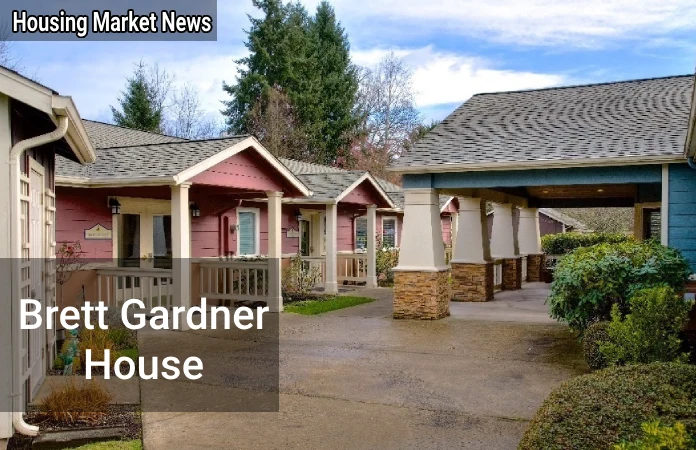
Brett Gardner, the former New York Yankees outfielder, has made quite a name for himself both on and off the baseball diamond. His impressive career and smart financial decisions have led him to own a beautiful home in Summerville, South Carolina. But there’s more to Brett Gardner’s story than just his house. Let’s dive into the world of this baseball star and explore his life, career, and of course, his lovely home.

Who is Brett Gardner?

Brett Gardner is a retired American professional baseball player who spent his entire 14-year Major League Baseball (MLB) career with the New York Yankees. He’s known for his speed, defensive skills, and leadership on the field. Gardner’s dedication and hard work have paid off, both in terms of his baseball achievements and his financial success.

With a net worth estimated at around $25 million, Brett Gardner has done well for himself. While we don’t have specific information about his car collection, yacht ownership, or private jets, we do know that he owns a beautiful home in Summerville, South Carolina. This property, which he purchased in 2011 for $1.1 million, serves as his primary residence.

Gardner’s financial success isn’t limited to just his home. As a professional athlete, he’s earned significant salaries throughout his career. In 2014, he signed a four-year deal with the Yankees worth $52 million. Later, in 2018, he signed a one-year contract for $7.5 million. These contracts, along with his other earnings and investments, have contributed to his impressive net worth.

Detail Information
Full Name Brett Michael Gardner
Date of Birth August 24, 1983
Place of Birth Holly Hill, South Carolina
Profession Former Professional Baseball Player
Team New York Yankees (2008-2021)
Position Outfielder
Net Worth $25 million
Spouse Jessica Gardner
Children Two sons (one deceased)
Primary Residence Summerville, South Carolina
House Value $1.1 million (purchase price in 2011)
Career Highlights World Series Champion (2009), All-Star (2015), Gold Glove Award (2016)

Where Does Brett Gardner Live Now?

Brett Gardner currently resides in Summerville, South Carolina. This charming town is located in the Lowcountry region of South Carolina, about 24 miles northwest of Charleston. Summerville is known for its beautiful azalea gardens, historic downtown, and friendly community atmosphere.

The town offers a perfect blend of Southern charm and modern amenities. It’s close enough to Charleston for easy access to city life but far enough away to enjoy a more relaxed, suburban lifestyle. This makes it an ideal location for someone like Brett Gardner, who values privacy and a connection to his Southern roots.

Summerville is also not too far from Gardner’s hometown of Holly Hill, where his family still owns a large farm. This proximity allows him to stay connected to his roots while enjoying the comforts of his own home.

Brett Gardner House

Brett Gardner house in Summerville, South Carolina, is a testament to his success and his love for his home state. The former Yankees star purchased this property in 2011 for $1.1 million, making it a significant investment in his real estate portfolio.

1. Where Is Brett Gardner House?

Brett Gardner house is located in Summerville, South Carolina. Summerville is a picturesque town known for its rich history, beautiful parks, and friendly community. It’s situated in the tri-county area of Charleston, Berkeley, and Dorchester counties, offering residents a perfect blend of small-town charm and easy access to urban amenities.

The exact address of Gardner’s house isn’t publicly disclosed for privacy reasons. However, we know it’s in a desirable area of Summerville, likely in one of the town’s upscale neighborhoods. These areas often feature large lots, mature trees, and well-maintained properties, providing residents with both privacy and a sense of community.

Summerville’s location is ideal for someone like Gardner. It’s close enough to Charleston for easy trips to the city, yet far enough away to offer a more relaxed, suburban lifestyle. The town is also known for its excellent schools, making it a great place for Gardner to raise his family.

2. Features of Brett Gardner House

While specific details about the interior of Brett Gardner house aren’t publicly available, we can make some educated guesses based on the property’s value and location. Houses in this price range in Summerville typically offer spacious living areas, high-end finishes, and plenty of amenities.

The architectural style of Gardner’s house likely reflects the traditional Southern aesthetic common in the area. This could mean a brick exterior, large windows, and possibly a wrap-around porch – all features that are popular in upscale South Carolina homes.

Given the $1.1 million price tag, the house is likely to be quite large, possibly spanning 4,000 to 6,000 square feet or more. It probably sits on a generous lot, providing ample outdoor space for landscaping, recreation, and privacy.

The interior design of the house might incorporate elements of Southern charm mixed with modern amenities. This could include features like hardwood floors, crown molding, and spacious rooms with high ceilings. As a professional athlete, Gardner might have included a home gym or training area in the house design.

3. Personal House Touches

While we don’t have specific information about improvements Brett Gardner made after purchasing the house, it’s common for homeowners, especially those with the means to do so, to personalize their living spaces. Here are five potential improvements Gardner might have made:

  1. Home Gym: As a professional athlete, Gardner likely values fitness. He may have added or upgraded a home gym with state-of-the-art equipment to maintain his training regimen during the off-season.
  2. Entertainment Area: Gardner might have created a dedicated entertainment space, perhaps with a large-screen TV and comfortable seating, perfect for watching sports or spending time with family and friends.
  3. Outdoor Living Space: Given the pleasant South Carolina climate, Gardner may have enhanced the outdoor areas of his property. This could include adding a patio, deck, or even a pool for relaxation and entertainment.
  4. Smart Home Technology: As a modern homeowner, Gardner might have integrated smart home features for increased comfort and security.
  5. Custom Closet or Trophy Room: To house his baseball memorabilia and awards, Gardner may have added a custom closet or dedicated trophy room to showcase his career achievements.

4. House Amenities

While we don’t have confirmed details about the specific amenities in Brett Gardner house, homes in this price range in Summerville often include:

  • Gourmet kitchen with high-end appliances
  • Master suite with luxury bathroom
  • Multiple bedrooms and bathrooms
  • Home office or study
  • Formal dining room
  • Living room with fireplace
  • Media room or home theater
  • Outdoor kitchen or BBQ area
  • Swimming pool
  • Landscaped gardens
  • Multi-car garage
  • Security system

5. Neighborhood Area

Summerville, where Brett Gardner house is located, is a charming town with a rich history and a strong sense of community. Known as “The Flower Town in the Pines,” Summerville is famous for its beautiful azalea gardens and tree-lined streets. The town offers a perfect blend of Southern charm and modern amenities, making it an ideal place for families and professionals alike.

The neighborhood where Gardner’s house is situated is likely one of Summerville’s more upscale areas. These neighborhoods often feature large, well-maintained properties with mature trees and landscaped gardens. The streets are typically quiet and safe, perfect for evening walks or bike rides.

Summerville offers plenty of amenities for its residents. The historic downtown area is home to numerous shops, restaurants, and cafes, many housed in beautifully preserved buildings. The town also boasts several parks and green spaces, including the popular Azalea Park and Hutchinson Square.

For golf enthusiasts like Gardner, Summerville and the surrounding area offer several excellent golf courses. The nearby Summerville Country Club and Pine Forest Country Club are popular spots for locals to enjoy a round of golf.

Education is a priority in Summerville, with several highly-rated public and private schools in the area. This makes it an excellent place for Gardner to raise his family.

The town’s location also offers easy access to Charleston, just a short drive away. This proximity allows residents to enjoy the amenities of a larger city while still maintaining a more relaxed, suburban lifestyle.

Market Value

Detail Information
Build Year Not publicly available
Purchase Year 2011
Purchase Value $1.1 million
Current Estimated Value Not publicly available, but likely appreciated since purchase

While we don’t have the exact current market value of Brett Gardner house, it’s important to note that real estate in desirable areas of South Carolina has generally appreciated over the past decade. Given the initial purchase price of $1.1 million in 2011, and considering the overall trend in the Summerville real estate market, it’s likely that the property has increased in value.

However, without specific details about improvements made to the property or changes in the immediate neighborhood, it’s difficult to provide an accurate current value. Real estate values can be influenced by many factors, including local market conditions, property improvements, and overall economic trends.

Brett Gardner’s Real Estate Portfolio

While Brett Gardner house in Summerville is his primary residence, it’s worth noting that he has strong ties to other properties as well. Here’s what we know about Gardner’s real estate connections:

  1. Summerville House: This is Gardner’s primary residence, purchased in 2011 for $1.1 million. It’s located in a desirable area of Summerville, South Carolina.
  2. Family Farm in Holly Hill: While not owned by Brett personally, his father, Jerry Gardner, owns a 2,600-acre farm in Holly Hill, South Carolina. This is where Brett grew up and learned the value of hard work that would later serve him well in his baseball career.
  3. New York Residence: During his playing career with the Yankees, Gardner likely maintained a residence in or near New York City. However, specific details about this property are not publicly available.
  4. Childhood Home: Before moving to his current residence, Gardner grew up on his family’s farm in Holly Hill. While not part of his personal real estate portfolio, this property played a significant role in shaping his character and work ethic.

It’s important to note that as a private individual, Gardner may own other properties that are not publicly known. Professional athletes often invest in real estate as part of their financial planning, so it’s possible that Gardner has other properties in his portfolio.

Conclusion

Brett Gardner house in Summerville, South Carolina, is more than just a place to live – it’s a reflection of his successful career, his values, and his roots. The $1.1 million property, purchased in 2011, serves as a comfortable home base for Gardner and his family, allowing them to enjoy the charm of small-town Southern living while still being close to urban amenities.

While we don’t have all the details about the interior of the house or its current market value, we can imagine that it’s a space that combines luxury with comfort, perhaps featuring personal touches that reflect Gardner’s career as a professional baseball player. The Summerville location offers a perfect blend of privacy and community, ideal for a retired sports star looking to enjoy a quieter life after years in the spotlight.

Gardner’s choice to make his home in South Carolina, not far from where he grew up, speaks to his connection to his roots. From the family farm in Holly Hill to his current residence in Summerville, Gardner’s real estate choices tell a story of a man who values family, community, and the comforts of home.

As Brett Gardner enjoys his retirement from professional baseball, his Summerville house stands as a testament to his success – a place where he can relax, spend time with family, and perhaps reflect on his impressive career with the New York Yankees. It’s not just a house; it’s a home that embodies the American dream of success and the simple pleasures of life in a close-knit community.

For more in-depth insights and the latest updates on the housing market, visit Housing Market News and stay informed about  real estate trends, home improvement tips, and property news.