
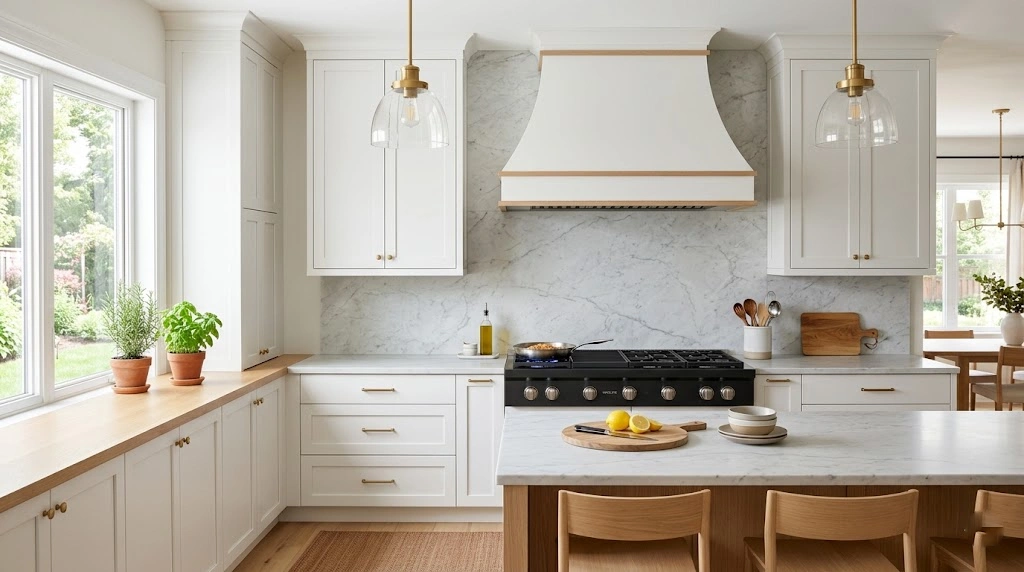
A stove hood cover is the outer shell that surrounds your kitchen range hood. It channels smoke, grease, and cooking odors into the ventilation system while adding style to your kitchen. Covers come in materials like stainless steel, wood, copper, and zinc, and work with both ducted and ductless hoods.
You spend real time in your kitchen. You cook, you clean, you host. But there’s one part of the kitchen most people overlook until it starts to look worn or out of place — the stove hood cover. It sits right above your stove every single day, yet most homeowners don’t think much about it until there’s a problem or a renovation on the way.
This guide breaks down what a stove hood cover actually is, why it matters more than you might think, what your options are, and how to pick the right one for your space.
What Is a Stove Hood Cover?
A kitchen range hood cover is the outer structure of your vent hood. It’s the piece of hardware above your stove that keeps your home’s air clean by funneling smoke, heat, and cooking odors into the fan-powered equipment that vents contaminated air outside.
Think of the cover as the visible part — the shell everyone sees. Inside that shell sits the actual ventilation equipment: the fan, the filters, and the motor. The cover holds everything together and gives your kitchen a finished, polished look. It’s both functional and decorative, and the two roles are equally important.
While the appearance of these models varies, their purpose remains the same. Range hoods are made to improve the air quality of your kitchen after cooking. They remove odors, grease, smoke, and fumes produced by using your stovetop.
Why Your Kitchen Needs a Stove Hood Cover
A lot of people assume a stove hood cover is just a cosmetic add-on. It’s not. The cover plays a direct role in how well your ventilation system performs.
Cooking produces irritants and even chemicals that create carcinogens. It can also expose you to gas fumes like carbon monoxide, carbon dioxide, and formaldehyde. Without a range hood, those harmful fumes will only linger and pose a risk to your health.
Without a range hood, grease and excess moisture from cooking can create a sticky film that is difficult to clean. Using a ventilation hood helps prevent annoying greasy buildup and cuts your cleaning time significantly. Proper ventilation also helps prevent the growth of bacteria and mold.
Beyond health, there’s the question of your home’s value. Homes with higher-quality range hoods tend to sell much quicker than those without. A range hood increases the resale value of your home, and it’s a great selling point for a prospective buyer.
So if you’ve been putting off dealing with that outdated or missing hood cover, you now have both a health reason and a financial one to act.
Types of Stove Hood Covers

Not every kitchen is built the same, and stove hood covers come in several styles to fit different layouts and design preferences.
Wall Mount Covers sit directly against the wall above your stove. Wall mounted range hoods come in various designs, from sleek and minimalist to contemporary and more traditional styles, allowing you to select one that matches your kitchen’s overall aesthetic. They provide efficient ventilation and come in a variety of sizes, making them suitable for kitchens with cooking ranges of all sizes.
Under-Cabinet Covers are a practical choice for smaller kitchens. These hoods can be installed under a cabinet and offer a discrete, built-in look. They are much smaller than a canopy hood but still provide powerful venting suitable for creative home cooking.
Island Hood Covers hang from the ceiling over a kitchen island. These hoods are suspended from the ceiling and provide ventilation for island cooktops. They help maintain an open, airy feel in the kitchen and can serve as a dramatic centerpiece.
Custom Insert Covers give you total design freedom. These are hoods designed to be installed into custom cabinetry or enclosures, offering complete design freedom when it comes to how the range hood looks. They are ideal for high-end kitchens that demand powerful ventilation while maintaining a cohesive, personalized aesthetic.
Downdraft Covers take a completely different approach. These hidden vent hoods are installed flush with your countertop and rise when in use, creating a discreet ventilation solution as the vent pulls air in ductwork beneath the surface. They are particularly suitable for kitchens that have a cooking surface located on islands or peninsulas.
Best Materials for a Stove Hood Cover

The material you choose affects how your cover looks, how long it lasts, and how easy it is to maintain. Here’s a quick breakdown of the most popular options.
Stainless Steel is the most common choice. It’s durable, easy to clean, and works in almost any kitchen style — from modern to industrial. Most big-box stores carry stainless steel options, and they’re generally the most affordable of the bunch.
Copper brings warmth and character to a kitchen. Copper range hood covers are excellent heat conductors, making them ideal for kitchens where heavy cooking occurs. They are highly durable and corrosion-resistant, and copper’s antibacterial properties help maintain a hygienic cooking environment. As it ages, it develops a beautiful patina that adds even more color depth.
Wood works well for farmhouse or rustic kitchen styles. The rustic wooden canopy offers an excellent way to incorporate countryside charm into your kitchen. The wood’s natural grain and warm tones create a welcoming environment. Just make sure the wood is treated for heat and moisture — raw wood near a stove is not a safe choice.
Zinc is a lesser-known but striking option. Zinc range hood covers are notable for their eye-catching bluish-white shine and corrosion resistance. They have a distinctly industrial look and are highly long-lasting, able to withstand high temperatures. Over time, zinc develops a soft, gray patina, adding visual interest and additional protection against corrosion.
How to Choose the Right Size
Getting the size wrong is one of the most common mistakes homeowners make. A cover that’s too small won’t capture smoke and grease effectively, and one that’s too large can look out of proportion.
Your custom hood should be 6 inches wider than your cooktop surface, extending 3 inches on either side of your stove and outward to at least the middle of the front burners. Otherwise, you risk letting smoke and food particles escape before they can reach the fans.
Ventilation strength is another number worth knowing. Venting strength is measured in cubic feet per minute (CFM). CFMs indicate how much air a vent can suck up in the span of a minute — the higher the number, the more powerful the ventilation. For a standard home kitchen, 400–600 CFM is a solid range. If you cook frequently at high heat, aim for the higher end.
Stove Hood Cover and Kitchen Design
Your stove hood cover doesn’t just have to function well — it can become a genuine focal point in your kitchen. Many homeowners treat it as a design statement rather than an afterthought.
The crown profile — or the trim — is the transition point between the hood range cover and ceiling. Some hoods have ornate, detailed trims with swoops and dips, while others have more modern, sloped profiles. That one detail alone can shift the entire feel of your kitchen from classic to contemporary.
If your range hood looks like an outdated eyesore, it can make your sleek kitchen cabinets or stunning backsplash look out of place. A bold color choice on the hood cover can make it a dramatic focal point — or you can match it to your cabinets for a cohesive, seamless look.
A unique tile backsplash behind the hood cover is another approach. Using a unique tile, or laying the backsplash tile in a different pattern behind the range hood, is a good way to add a distinctive touch to your kitchen.
Does a Stove Hood Cover Affect Performance?
This is a fair question, and the short answer is: only if it’s installed incorrectly. A properly installed range hood cover should not affect the hood’s performance. However, the cover must be appropriately designed and installed to ensure it doesn’t block ventilation, controls, or lights.
If you’re going the custom route, work with someone experienced in hood installation. A cover that sits too low, blocks airflow, or traps heat around the motor can reduce efficiency and shorten the lifespan of your equipment.
Also worth noting — range hood covers can be used for both ducted and ductless range hoods. The cover can help conceal the hood for ductless hoods and provide a more integrated look with your kitchen décor.
How to Clean and Maintain Your Stove Hood Cover
Cleaning your stove hood cover is straightforward, but the right method depends on the material.
Stainless steel wipes down easily with a damp microfiber cloth and a small amount of dish soap. Always wipe in the direction of the grain to avoid scratching. For copper and zinc, use a cleaner made specifically for that metal. Zinc can scratch easily, so take care during cleaning. Wood covers need to be wiped down with a slightly damp cloth and dried immediately — excess moisture can warp or discolor the surface.
Beyond the cover itself, don’t forget the filters inside the hood. Most manufacturers recommend cleaning grease filters once a month if you cook regularly. Running your hood fan for a few minutes before you begin meal prep creates suction so you can maximize the clean-air benefits your hood provides. Running the fan for several minutes after cooking can clear any additional odor, smoke, and gas from the air.
Final Thoughts
A stove hood cover is one of those things you don’t fully appreciate until you understand what it’s doing for you. It protects your health, keeps your kitchen cleaner, adds real value to your home, and gives you a chance to express your personal style through your kitchen design. Whether you want a bold copper statement piece or a clean stainless steel look that blends right in, there’s a cover built for exactly that. Take your time, get the sizing right, choose a material that fits your lifestyle, and you’ll have a kitchen detail that works hard and looks great doing it.


Comments are closed.