
Your house is sold. Or so you thought. Then your buyer’s solicitor raises fire safety questions you’ve never considered—and you can’t answer them. Sales stall. Negotiations restart. Sometimes deals fall apart entirely.
This is happening more often. Buyers and their legal teams are asking harder questions about fire safety before completing purchases. Most sellers haven’t prepared for this. The result? Delayed closings, renegotiated prices, and frustrated deals.
Why This Is Happening Now
Fire safety standards are tightening across the board. Buyers now know that fire regulations vary by property type, and they’re asking their solicitors to check compliance before they commit. Insurance companies are also pushing back—some won’t cover properties that can’t demonstrate basic fire safety measures. Solicitors, acting cautiously, raise these concerns late in the sale process to protect their clients. You face pressure when you’re already close to closing.
Properties Most at Risk
Certain properties attract more fire safety questions than others. Flats and maisonettes face intense scrutiny, especially in converted buildings. Ex-HMOs (houses once split into multiple rentals) trigger concerns about fire doors and compartmentation. Shop-with-flat-above arrangements create questions about shared entrance safety. Holiday lets also draw attention because they’re treated differently under regulations. Converted houses and properties with shared entrances come under pressure too.
If your property falls into any of these categories, expect detailed questions.
The Questions Buyers Are Actually Asking
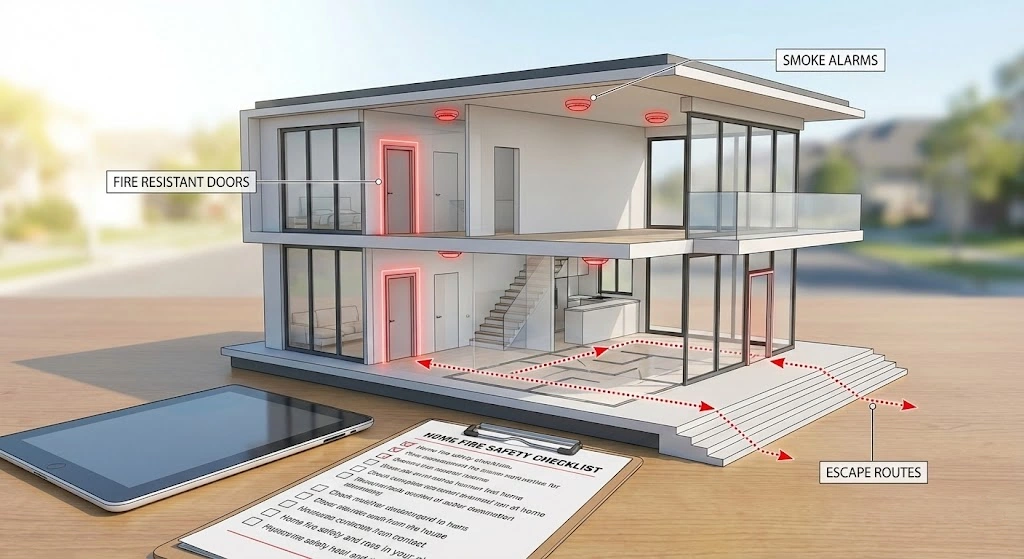
Here’s what comes up: Do fire doors meet current standards? Has the loft been properly compartmented? What’s the fire alarm system? Are there adequate escape routes? Has anyone checked the electrical wiring recently? What about compartmentation between flats? Are all windows operable for emergency exit?
These aren’t theoretical concerns—they’re practical safety issues that affect both legal compliance and your buyer’s peace of mind. If you can’t answer them, your buyer gets nervous.
Why Sellers Get Caught Off Guard
Estate agents rarely mention fire safety in their sales pitch. It’s not glamorous or appealing. You list the kitchen, the garden, the location—but not the fire rating of your front door or whether your building is properly compartmented. By the time your buyer’s solicitor asks, you’re already in the final stages. No time to arrange professional assessments or make improvements.
How This Delays or Kills Sales
Unanswered questions create doubt. Your buyer hesitates. Renegotiations begin. You might face demands for price reductions, requests for fire safety work before completion, or—worst case—a walkaway. The longer these questions linger, the higher the chance your deal collapses.
What You Can Do Now
Get ahead of this. Before you list, spend an hour checking basic fire safety on your property. Look at your fire doors, alarm systems, escape routes. If you’re unsure, find a qualified fire risk assessor to review your property. A professional report removes uncertainty and gives buyers confidence.
This isn’t about perfection. It’s about transparency. You’ll either identify real issues early—when you can address them—or get proof that your property is safe. Either way, you avoid surprises that kill deals.
The Fastest Path to Sale
Uncertainty delays sales. Certainty closes them. Address fire safety before going to market, and you remove one of the biggest obstacles buyers now face.


Comments are closed.