
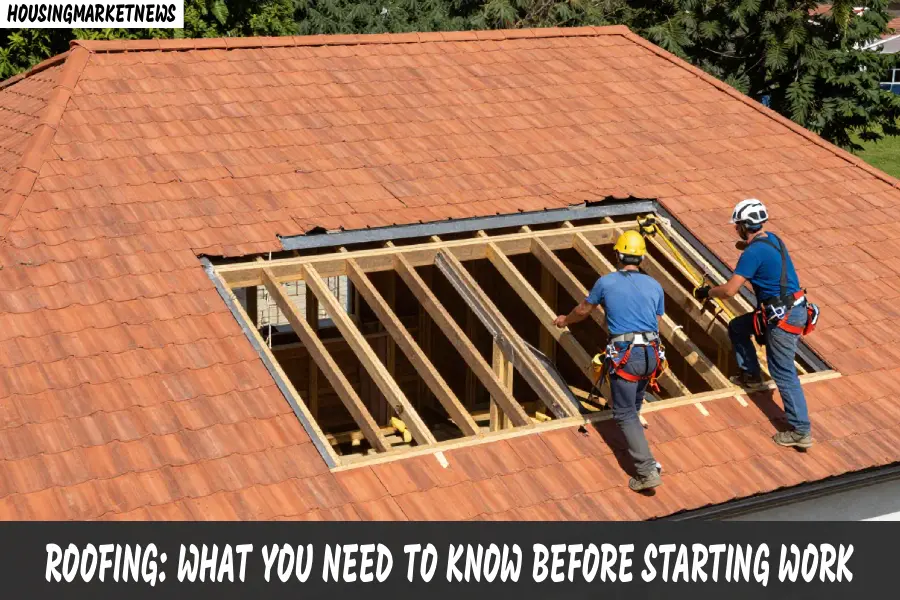
The roof is the building’s “fifth façade.” It protects, highlights the home’s architecture, and can even produce energy! Consequently, a home’s roof should never be chosen in a rush. This should also be handled by a professional roofer—for instance, a professional roofer like this roofer in London. Here are key questions to ask yourself to ensure you make the right choice.
-
Is there such a thing as an ideal roof?
Setting aesthetics aside and looking purely at energy, performance often comes from unexpected places. An ideal house—the one that minimises energy leaks—always has a pitched roof with a converted loft. The savings compared to a house with an unconverted loft can be as much as 25%. That is significant.
From an ecological perspective:
- Recommended: Untreated wood shingles, natural slate, and terracotta tiles.
- Acceptable: Concrete tiles and metal sheets.
- Avoid: Bituminous shingles (due to their poor eco-balance).
- Flat Roofs: EPDM membranes (a synthetic rubber-like elastomer) are recommended over bitumen or PVC films. Green roofs (living roofs) are preferred over pebbles for protection.
-
Can you choose any roof covering you like?
In theory, you are free to “top” your house as you wish; in practice, there are three main constraints:
- Regulatory: If you are near a listed monument or in a protected area, restrictions apply. A local council can mandate specific materials, shapes, dimensions, or colours.
- Technical: Coverings must be selected based on the roof’s pitch and geographical location (exposure to wind, snow, etc.).
- Budgetary: Large-format “interlocking” tiles are cheaper than traditional plain tiles.
-
What other materials are available?
74% of houses are covered in terracotta tiles, leaving little room for other materials. This solution has been proven for over 2,000 years, with tiles now imitating slate or stone. Other options include:
- Slate: Natural or fibre-cement (common in northern regions).
- Concrete tiles & Bituminous shingles: Shingles are cheaper but rarely used in the UK except for outbuildings.
- Wood shingles: Usually larch or chestnut. They are ecological and can last 30 to 50 years, but are best suited for areas sheltered from constant damp.
- Zinc: Often used in standing-seam sheets for original, flat, or curved roofs. It is durable and maintenance-free, but remains quite expensive.
-
Can you use reclaimed tiles on a new build?
Yes, but you must find a builder specialising in reclaimed materials. Alternatively, you can buy new tiles designed to look weathered. These industrial tiles mimic irregular dimensions and textures to provide a traditional “restoration” look, though they are more expensive.
-
Does a maintenance-free roof exist?
Don’t get your hopes up. With the exception of zinc (which is rigid and less sensitive to wind), every roof is on the front line during bad weather. High winds, rain, or snow can displace tiles. Furthermore, moisture promotes the growth of moss, which can block drainage and cause leaks.
Pro Tip: Keep an eye on your roof. After every winter or severe storm, look up: has a tile moved? Is the ridge capping still in place? Are the gutters blocked?
Understanding the points above can prevent you from choosing the wrong roof and save you from unnecessary additional costs. Knowing which roofing materials are common, along with all their pros and cons, will be incredibly helpful when it comes to roofing work. Are you ready? It might be time to search for the phrase “roofer near me!”

Comments are closed.